

Emergency & Help
24/7 Emergency & General Advisory
🚨 24/7 Medical Emergency
Non-Emergency Advisory
10:00 AM – 6:00 PM, Mon–Sat
For appointments & general queries.
24/7 Emergency & General Advisory
🚨 24/7 Medical Emergency
Non-Emergency Advisory
10:00 AM – 6:00 PM, Mon–Sat
For appointments & general queries.
Stay updated with our latest healthcare news and your appointments.
Explore the complex relationship between introversion and depression. Learn why these traits are often confused, what research says about the link, and how to prioritize your mental well-being as an introvert.
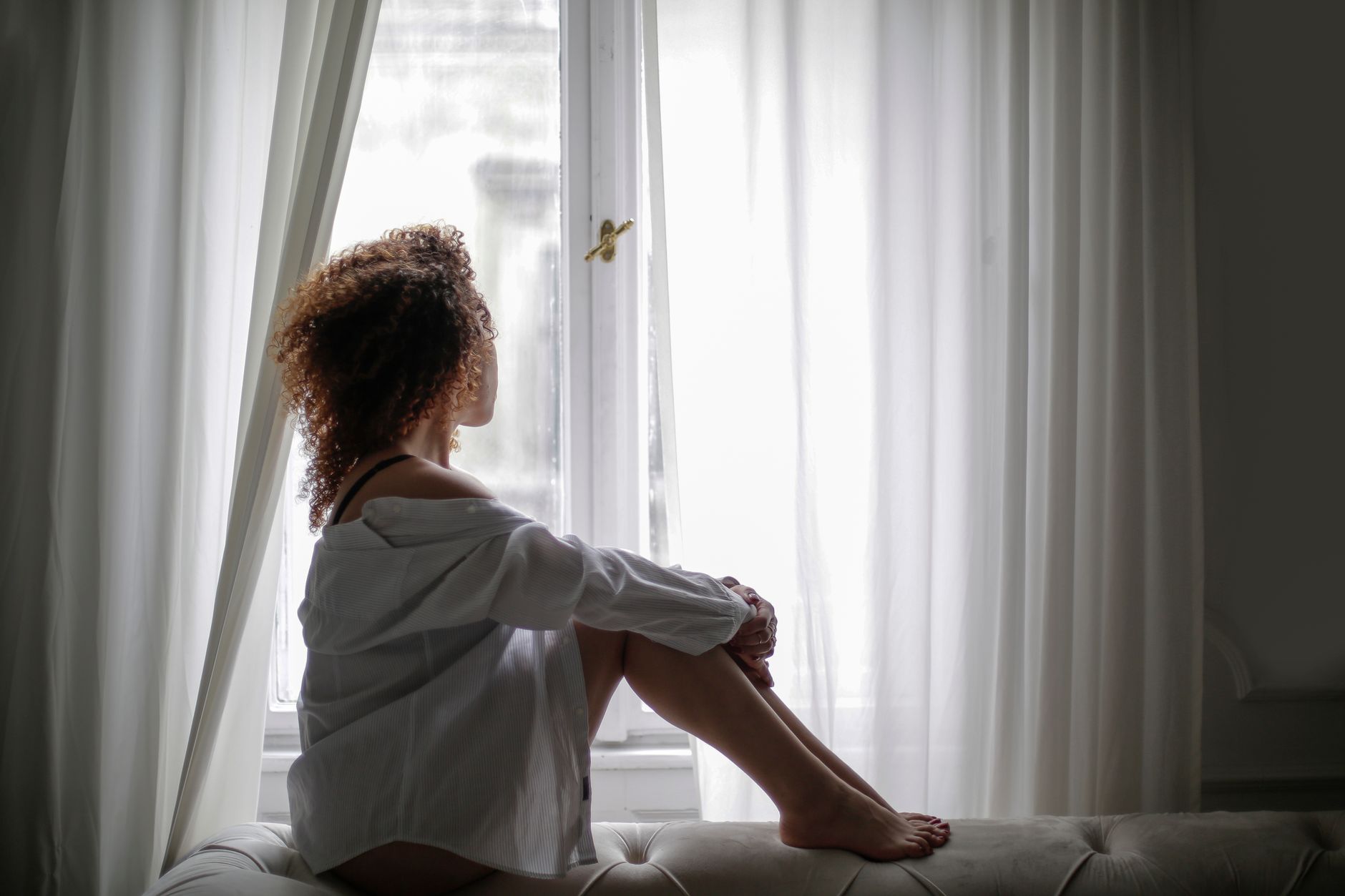
It’s a common misconception that if you’re quiet and enjoy your own company, you must be sad or depressed. Many people, especially those who don't fully understand introversion, might look at someone who prefers solitude and immediately assume they’re struggling with their mental health. But is there a real connection between being an introvert and experiencing depression? The answer, as with many things in life, is complicated. Let’s explore what the science says and what it means for you.
First things first, let’s clear up a common confusion: introversion is not the same as shyness. Shyness is a fear of social judgment, while introversion is about how you gain and expend energy. Introverts tend to be energized by spending time alone and can feel drained by too much social interaction, even if they enjoy it. They often prefer deeper, one-on-one conversations over large group settings and tend to listen more than they speak. These are simply personality traits, not indicators of sadness or illness.
Think of it this way: introverts recharge their batteries in quiet solitude, much like a phone needs to be plugged in to get its power back. Extroverts, on the other hand, are energized by social interaction.
Common characteristics of introverts include:
So, why do people assume introverts are more likely to be depressed? The overlap in behaviors can be misleading. Someone who withdraws from social situations might be doing so because they are introverted and need to recharge, or they might be withdrawing because they are experiencing depression and lack the energy or motivation to socialize.
Research has explored this connection, and some studies suggest a possible link. For instance, a 2001 study indicated that introversion could contribute to depression, especially when combined with other factors. These factors can include things like heightened sensitivity to emotions and a tendency towards neuroticism, which is a personality trait linked to experiencing more negative emotions.
Factors that might contribute to this link include:
It's important to understand that these are correlations, not direct cause-and-effect relationships. Being introverted doesn't automatically mean you're destined for depression. It suggests that certain personality traits, when present, might interact with other factors to increase risk.
The relationship might also work in reverse. Some research points towards depression having the power to make someone appear more introverted, even if they aren't naturally so. When someone is struggling with depression, their energy levels plummet, their motivation wanes, and their interest in activities they once enjoyed can disappear. This can lead them to withdraw from social situations, seek more alone time, and exhibit behaviors that look a lot like introversion.
Studies have observed that as people recover from depression, they often show increases in conscientiousness and extroversion, and a decrease in neuroticism. This suggests that the state of being depressed can temporarily suppress extroverted tendencies and amplify introverted ones.
Furthermore, findings have indicated that individuals with lower extroversion, particularly those also experiencing higher levels of neuroticism, might face an increased risk of suicidal thoughts or behaviors. This highlights the serious nature of depression and the importance of seeking help.
The conversation doesn't stop at introversion and depression. The interplay between personality traits and mental health is complex and can involve other conditions. For example, some research suggests a relationship between introversion and anxiety, particularly social anxiety.
Studies comparing individuals with social anxiety to those without have identified different groupings based on personality traits. One cluster, for instance, included individuals with high neuroticism and low extroversion. While not all individuals with social anxiety fit the stereotype of the “anxious introvert,” these findings suggest that for some, introverted tendencies might coexist with or even contribute to social anxiety.
Other mental health conditions that have shown associations with introversion include:
It’s crucial to remember that these associations don't define individuals. They are observations from research that help us understand the nuances of human psychology.
Beyond inherent personality traits, external factors play a massive role in our mental well-being. Stressful life events, difficult relationships, and challenging circumstances can impact anyone, regardless of their introverted or extroverted nature. Research has shown that people experiencing anxiety, for instance, often report a higher number of undesirable or stressful life events.
This underscores that mental health is a multifaceted issue. It’s a delicate balance of our innate personality, our life experiences, and our environment. For introverts, navigating a world often geared towards extroverted interaction can sometimes add an extra layer of challenge, but it doesn't predetermine their mental health outcomes.
While introversion is a normal personality trait, and enjoying solitude is healthy, persistent feelings of sadness, hopelessness, loss of interest in activities, or significant changes in your daily functioning are not. If you find yourself experiencing these symptoms, it's essential to reach out for support.
Consult a doctor or mental health professional if you notice:
A professional can help you understand whether your feelings stem from a mental health condition like depression, or if they are related to other life stressors. They can provide strategies and treatments tailored to your individual needs.
If you are an introvert, it’s vital to embrace your personality. Trying to force yourself to be someone you’re not can be exhausting and counterproductive. Instead, focus on understanding your needs and creating a lifestyle that supports your well-being.
Tips for introverts to support their mental health:
Remember, introversion is a strength, not a weakness. It allows for deep thought, creativity, and meaningful connection. If you are struggling with symptoms of depression, please don’t hesitate to seek help. Your mental health matters, and support is available.
No, being introverted is a personality trait, not a mental illness. It describes how a person gains energy and processes the world. Mental illnesses, like depression, are medical conditions that affect mood, thinking, and behavior.
Yes, introverts can experience depression, just like extroverts. While some research suggests a possible link where certain introverted traits might co-occur with depression or increase risk factors, introversion itself does not cause depression.
Introversion is about needing solitude to recharge and preferring deeper connections. Depression involves persistent sadness, loss of interest, fatigue, and changes in appetite or sleep that interfere with daily life. If you're experiencing the latter, it's important to consult a doctor.
It’s generally not recommended to try and change your core personality. Instead, focus on understanding your introverted needs and finding ways to thrive while honoring who you are. If social interaction feels overwhelming due to anxiety or depression, addressing those specific issues with a professional is key.
Introverts might sometimes feel misunderstood in a society that often values extroversion. They may also feel pressured to socialize more than they are comfortable with, which can be draining. Learning to set boundaries and communicate needs effectively can help mitigate these challenges.
Visit Hospital
Near You
Discover how to choose the ideal nursing home in Kishanganj for your loved ones. Expert advice and key considerations.
May 19, 2026
Find the best pregnancy doctors in Dehri for safe and healthy childbirth. Expert advice, prenatal care, and support for your journey.
May 18, 2026
Find top Gynecologists and Maternity Hospitals in Gaya. Get expert care for women's health and childbirth. Book appointments easily.
May 18, 2026