

Emergency & Help
24/7 Emergency & General Advisory
🚨 24/7 Medical Emergency
Non-Emergency Advisory
10:00 AM – 6:00 PM, Mon–Sat
For appointments & general queries.
24/7 Emergency & General Advisory
🚨 24/7 Medical Emergency
Non-Emergency Advisory
10:00 AM – 6:00 PM, Mon–Sat
For appointments & general queries.
Stay updated with our latest healthcare news and your appointments.
Explore how bipolar disorder can change with age, affecting mood episodes, cognitive function, and treatment. Learn about symptoms, causes, and management strategies for older adults.
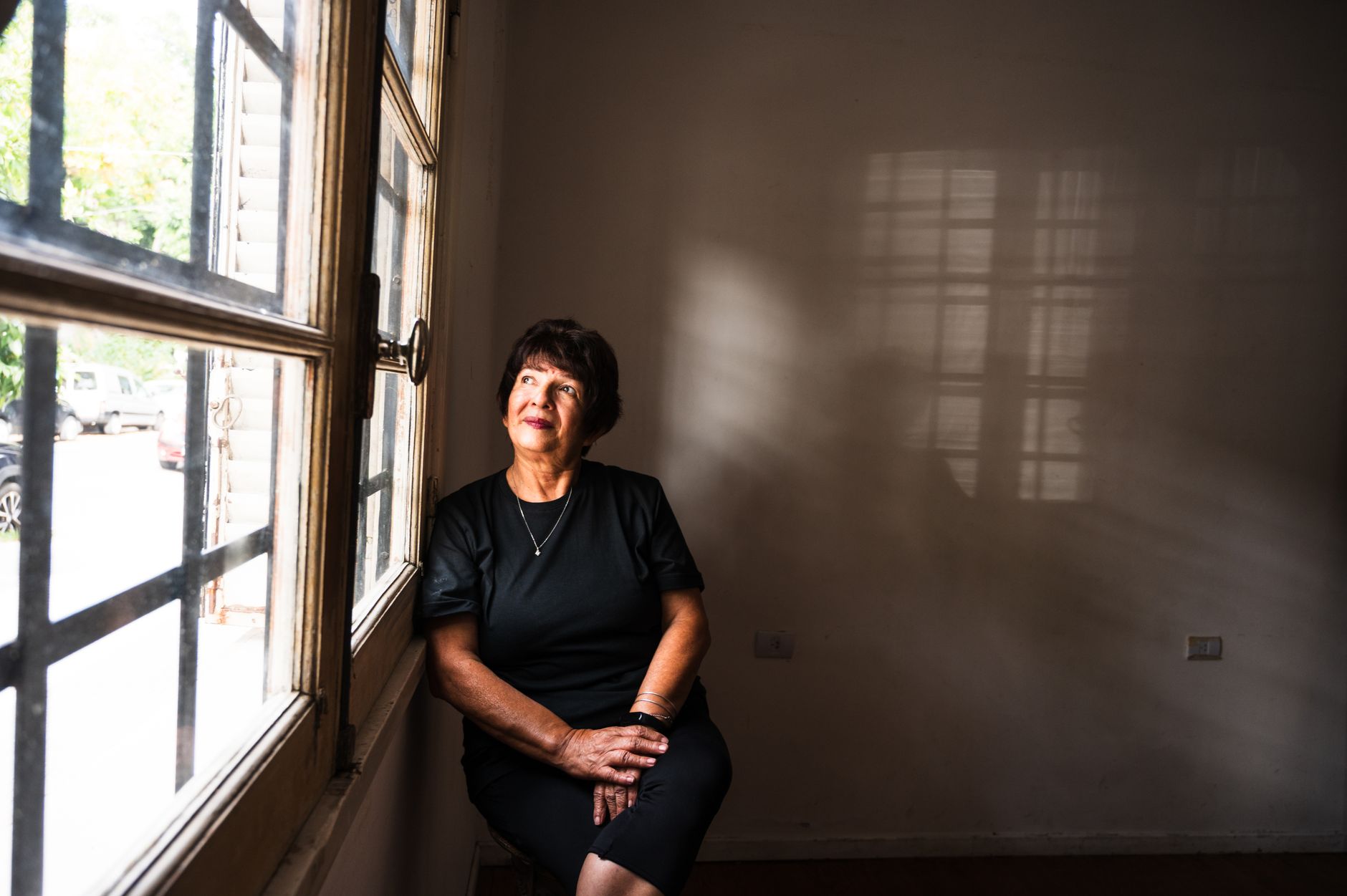
Bipolar disorder is a complex mental health condition that affects millions worldwide. It's characterized by extreme shifts in mood, energy, and activity levels, making everyday life a challenge. But what happens when someone with bipolar disorder gets older? Does the condition change, and if so, how? This is a topic that's gaining more attention, and understanding these potential shifts is vital for individuals, families, and healthcare providers. Historically, research into bipolar disorder has focused more on younger populations. However, a significant and growing number of individuals with bipolar disorder are now in their senior years. In fact, about a quarter of all people diagnosed with bipolar disorder are already 60 years or older, and this number is projected to climb to nearly half by 2030! The average age of onset for bipolar disorder is often cited as 25, but it's not uncommon for some people, perhaps 5% to 10%, to receive their diagnosis around age 50 or even later. While the overall prevalence in older adults might seem lower compared to younger groups (around 0.5% to 1.0% for bipolar I and II), the condition still accounts for a notable portion of psychiatric visits within senior communities, roughly 6% to 10%. So, does bipolar disorder simply fade away with age, or does it evolve? The evidence suggests it's more of an evolution, and not always a straightforward one. Let's explore how aging can influence the landscape of bipolar disorder. How Bipolar Disorder Manifests in Older Adults The way bipolar disorder presents itself can indeed shift as individuals age. While the core features of manic and depressive episodes remain, their frequency, intensity, and even their characteristics can change. Mood Episodes: A Shift in Balance? One of the most commonly observed changes is a potential shift in the balance of mood episodes. Research indicates that older adults with bipolar disorder may experience: More Depressive Episodes: There seems to be a trend towards more frequent and potentially longer-lasting depressive episodes compared to manic or hypomanic ones. This can be particularly challenging, as depression in older adults can sometimes be mistaken for normal aging or other health issues. Fewer Manic or Hypomanic Episodes: Conversely, the intense highs of mania or the milder highs of hypomania might become less frequent. Less Severe Manic Symptoms: When manic episodes do occur, they might present with less extreme symptoms. This could also mean fewer psychotic features accompanying mania, which are more commonly seen in younger individuals with severe manic episodes. New Symptoms and Cognitive Changes Beyond the shifts in mood episodes, other symptoms might emerge or become more pronounced with age: Irritability: While not a core diagnostic criterion for mania, increased irritability can become a more prominent feature, especially in older adults experiencing mood disturbances. Cognitive Difficulties: This is a significant area of concern. Some studies suggest that bipolar disorder can actually accelerate the aging process and contribute to cognitive decline. This isn't just about forgetting where you put your keys; it can impact core cognitive functions. The Brain Connection: Research from 2022 indicates that older adults with bipolar disorder may have less gray matter in the frontal lobe of the brain. This region is absolutely critical for emotional regulation and behavior. This structural change could help explain some of the observed shifts in emotional control and mood stability. Impact on Life Expectancy Perhaps one of the most sobering findings is the potential impact on life expectancy. A 2023 research review found that having bipolar disorder can reduce life expectancy by a significant margin – anywhere from 9 to 20 years. This stark reality is often linked to the fact that bipolar disorder rarely exists in isolation. It frequently co-occurs with other serious health conditions, many of which are more prevalent in older age. Other Health Conditions and Bipolar Disorder Older adults with bipolar disorder are more likely to contend with a range of other health issues. These can include: Cardiovascular Diseases: Heart disease, high blood pressure, and stroke are common. Metabolic Disorders: Conditions like diabetes and obesity can be more prevalent. Substance Use Disorders: While often associated with younger age groups, substance use can persist or emerge in older adults, complicating treatment. Anxiety Disorders: Co-occurring anxiety is very common and can exacerbate mood symptoms. Sleep Disorders: Insomnia or other sleep disturbances are frequently reported. Chronic Pain Conditions: Managing physical pain can add another layer of complexity. The presence of these comorbidities can influence the course of bipolar disorder, complicate diagnosis, and affect treatment effectiveness. It's a complex interplay where one condition can worsen another. What Causes These Changes? The exact reasons why bipolar disorder might change with age are still being investigated, but several factors are thought to contribute: Neurological Changes Over Time The brain is a dynamic organ, and structural and functional changes occur naturally with aging. In the context of bipolar disorder, these age-related changes might interact with the underlying neurobiology of the condition. As mentioned earlier, reductions in gray matter in key brain regions involved in emotional processing could play a role. Furthermore, the brain's ability to repair itself and adapt might diminish with age, making it harder to recover from mood episodes. The Cumulative Effect of Episodes Each mood episode, particularly severe manic ones, can potentially have a cumulative impact on the brain. Some research suggests that repeated episodes might lead to subtle structural changes over time, potentially contributing to cognitive difficulties and a worsening of the disorder's impact. Medication Effectiveness and Side Effects As we age, our bodies process medications differently. Metabolism slows down, and the way drugs are distributed and eliminated can change. This means that medications that were effective and well-tolerated in younger years might become less effective or cause more pronounced side effects in older adults. Adjusting dosages or switching medications might be necessary, but this requires careful medical supervision. Lifestyle and Environmental Factors Life circumstances also evolve. Older adults might face unique stressors such as retirement, loss of loved ones, social isolation, chronic illness, or financial worries. These factors can significantly impact mental health and potentially trigger or exacerbate mood episodes in someone with bipolar disorder. Diagnosis and Treatment in Older Adults Diagnosing bipolar disorder in older adults can be challenging. Symptoms like memory problems, fatigue, or irritability can be easily attributed to normal aging, dementia, or other medical conditions. It's essential for healthcare providers to conduct thorough evaluations, including detailed medical histories and psychiatric assessments, to differentiate bipolar disorder from other age-related health concerns. Treatment Approaches Treatment for bipolar disorder in older adults typically involves a combination of medication and psychotherapy, much like in younger individuals. However, adaptations are often necessary: Medication Management: Lower starting doses and slower titration (gradual increase in dosage) are often employed to minimize side effects. Careful monitoring for interactions with other medications the individual might be taking is paramount. Psychotherapy: Cognitive Behavioral Therapy (CBT), Interpersonal and Social Rhythm Therapy (IPSRT), and family-focused therapy can all be beneficial. Therapy can help individuals develop coping strategies, manage stress, improve social support, and maintain routines, which are particularly important for stabilizing mood. Lifestyle Support: Encouraging regular sleep patterns, a healthy diet, moderate exercise, and social engagement can significantly support overall well-being and mood stability. When to Seek Medical Help It's crucial for individuals experiencing symptoms of bipolar disorder, or their caregivers, to seek professional help promptly. Don't hesitate to consult a doctor if you notice: Persistent changes in mood, energy, or activity levels. Difficulty distinguishing between normal aging and potential symptoms of a mood disorder. New or worsening cognitive problems. Significant changes in sleep or appetite. Increased irritability or agitation. Thoughts of self-harm or suicide (seek immediate emergency help). Your primary care physician can be a good starting point. They can conduct an initial assessment and refer you to a psychiatrist or psychologist specializing in mental health conditions, particularly those with experience in geriatric psychiatry. Living Well with Bipolar Disorder as You Age While aging with bipolar disorder presents unique challenges, it doesn't mean a decline in quality of life is inevitable. With the right support, medical care, and self-management strategies, individuals can continue to lead fulfilling lives. Key Strategies for Well-being: Adherence to Treatment: Sticking to prescribed medications and therapy appointments is non-negotiable. Open Communication: Maintain open and honest communication with your healthcare team about any changes or concerns. Strong Support System: Lean on family, friends, or support groups. Sharing experiences can be incredibly validating and helpful. Healthy Lifestyle: Prioritize sleep, nutrition, and gentle physical activity. Stress Management: Develop and practice effective stress-reduction techniques. Stay Engaged: Maintain social connections and engage in activities you enjoy. Understanding how bipolar disorder might evolve with age empowers individuals and their loved ones to navigate these changes proactively. It’s about adapting, seeking appropriate care, and continuing to strive for well-being at every stage of life. Frequently Asked Questions (FAQ) Q1: Can bipolar disorder disappear with age? It's unlikely that bipolar disorder simply disappears with age. While the presentation and severity of symptoms can change, the underlying condition generally persists.
In summary, timely diagnosis, evidence-based treatment, and prevention-focused care improve long-term health outcomes.
Visit Hospital
Near You
Discover how to choose the ideal nursing home in Kishanganj for your loved ones. Expert advice and key considerations.
May 19, 2026
Find the best pregnancy doctors in Dehri for safe and healthy childbirth. Expert advice, prenatal care, and support for your journey.
May 18, 2026
Find top Gynecologists and Maternity Hospitals in Gaya. Get expert care for women's health and childbirth. Book appointments easily.
May 18, 2026