

Emergency & Help
24/7 Emergency & General Advisory
🚨 24/7 Medical Emergency
Non-Emergency Advisory
10:00 AM – 6:00 PM, Mon–Sat
For appointments & general queries.
24/7 Emergency & General Advisory
🚨 24/7 Medical Emergency
Non-Emergency Advisory
10:00 AM – 6:00 PM, Mon–Sat
For appointments & general queries.
Stay updated with our latest healthcare news and your appointments.
Learn how managing bipolar disorder can transform relationships, fostering stability, trust, and enduring love. Discover practical strategies for partners and individuals navigating mental health challenges.
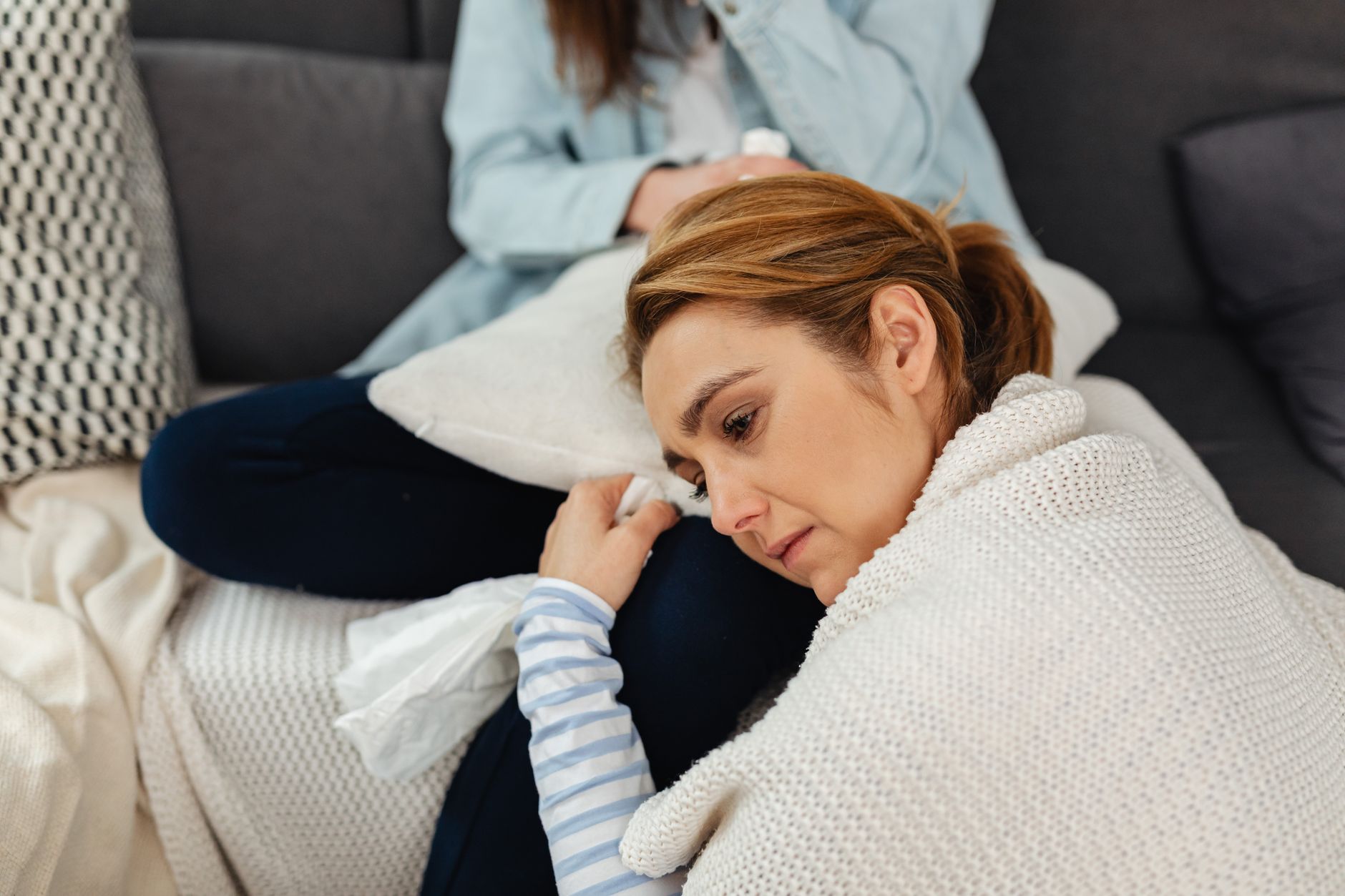
Marriage vows are beautiful, aren't they? "For better or for worse, for richer or for poorer, in sickness and in health." We say them with such conviction, such hope. But what happens when "sickness" isn't a fleeting cold, but a chronic, often misunderstood condition like bipolar disorder? What happens when the "worse" feels like an unending storm, not just for the person experiencing it, but for their partner, their family, their entire world? I've stood at the altar twice, spoken those vows, and faced the very real, often devastating impact of undiagnosed and unmanaged bipolar disorder on my most intimate relationships. My first marriage ended, a casualty of an addiction that was, in hindsight, a desperate attempt to self-medicate a mind in turmoil. It took a psychotic break, a terrifying night in jail, and an involuntary psychiatric stay for me to finally confront the reality of my condition and begin the arduous, yet ultimately life-saving, journey toward stability.
For years, I battled an addiction to opiates and other substances. I saw it as a separate problem, a weakness I struggled to overcome. The truth, a truth I was unwilling to accept for far too long, was that this addiction was a symptom, a desperate cry for help from a brain wired differently. The highs of mania, the crushing lows of depression, the sheer exhaustion of navigating a world that often felt overwhelming and alien – these were the experiences I was trying to escape. Chasing a fleeting sense of happiness, numbing the pain, dulling the sharp edges of my reality – these were my coping mechanisms. They were unhealthy, destructive, and ultimately, they were destroying me and my first marriage. The divorce in 2014 was a brutal culmination of years of struggle, years where my undiagnosed bipolar disorder cast a long, dark shadow over every aspect of our lives.
Mania is not just feeling energetic. For me, it was a complete disconnect from reality. I couldn't think straight. Decisions were impulsive, judgments were clouded, and my emotions swung wildly. The episode that led to my arrest was a terrifying example. I had two young children, a toddler and a baby, and the stress was immense. In a fit of manic rage, I scratched my husband. When he threatened to involve the authorities to protect himself and the children, I, in a bizarre twist, called the police myself. The irony wasn't lost on me later, sitting alone in a jail cell, the stark reality of my actions crashing down. The police saw the marks on him, not on me. They read me my rights. I was unmedicated, manic, and utterly alone. This was the wake-up call I desperately needed, though I fought it every step of the way.
After my release from jail, I was involuntarily admitted to a psychiatric facility. It was there, for the second time, that I was diagnosed with bipolar disorder. This time, however, the diagnosis landed differently. The fear of losing my children, my husband, my family – the people I loved most in the world – was a powerful motivator. I finally understood that this wasn't something I could ignore or wish away. I had a chronic condition, and it demanded to be taken seriously. This acceptance was the first, and perhaps most difficult, step toward healing. It wasn't a magical cure; it was the beginning of a long, challenging, but ultimately rewarding process of taking control.
Accepting my bipolar disorder and committing to managing it created a ripple effect in my relationships. The chaos began to subside. The unpredictability lessened. My connections became more stable, more secure, and most importantly, safer. This journey of healing wasn't solitary. My support system – my husband, my family, my friends, and my mental health professionals – became my anchors. Leaning on them, being honest about my struggles, and allowing them to support me was vital. It's easy to feel isolated with a mental health condition, but remembering that you don't have to go through it alone makes all the difference.
My current husband and I have just celebrated our seventh anniversary. Our marriage is beautiful, messy, and profoundly complicated at times. But it's also stable, connected, and safe. This didn't happen by accident. It happened because I learned to manage my bipolar disorder, and because we both committed to nurturing our relationship through the ups and downs. Here are some of the lessons I've learned:
This section adds practical context and preventive advice to help readers make informed healthcare decisions. It is important to verify symptoms early, consult qualified doctors, and avoid self-medication for persistent health issues.
Maintaining healthy routines, following prescribed treatment plans, and attending regular checkups can improve outcomes. If symptoms worsen or red-flag signs appear, immediate medical evaluation is recommended.
Track symptoms and duration.
Follow diagnosis and treatment from a licensed practitioner.
Review medication side effects with your doctor.
Seek urgent care for severe warning signs.
Visit Hospital
Near You
Discover how to choose the ideal nursing home in Kishanganj for your loved ones. Expert advice and key considerations.
May 19, 2026
Find the best pregnancy doctors in Dehri for safe and healthy childbirth. Expert advice, prenatal care, and support for your journey.
May 18, 2026
Find top Gynecologists and Maternity Hospitals in Gaya. Get expert care for women's health and childbirth. Book appointments easily.
May 18, 2026