

Emergency & Help
24/7 Emergency & General Advisory
🚨 24/7 Medical Emergency
Non-Emergency Advisory
10:00 AM – 6:00 PM, Mon–Sat
For appointments & general queries.
24/7 Emergency & General Advisory
🚨 24/7 Medical Emergency
Non-Emergency Advisory
10:00 AM – 6:00 PM, Mon–Sat
For appointments & general queries.
Stay updated with our latest healthcare news and your appointments.
Explore the key differences between magic mushrooms and LSD, including their origins, effects, duration, and the importance of set and setting for a safe experience.
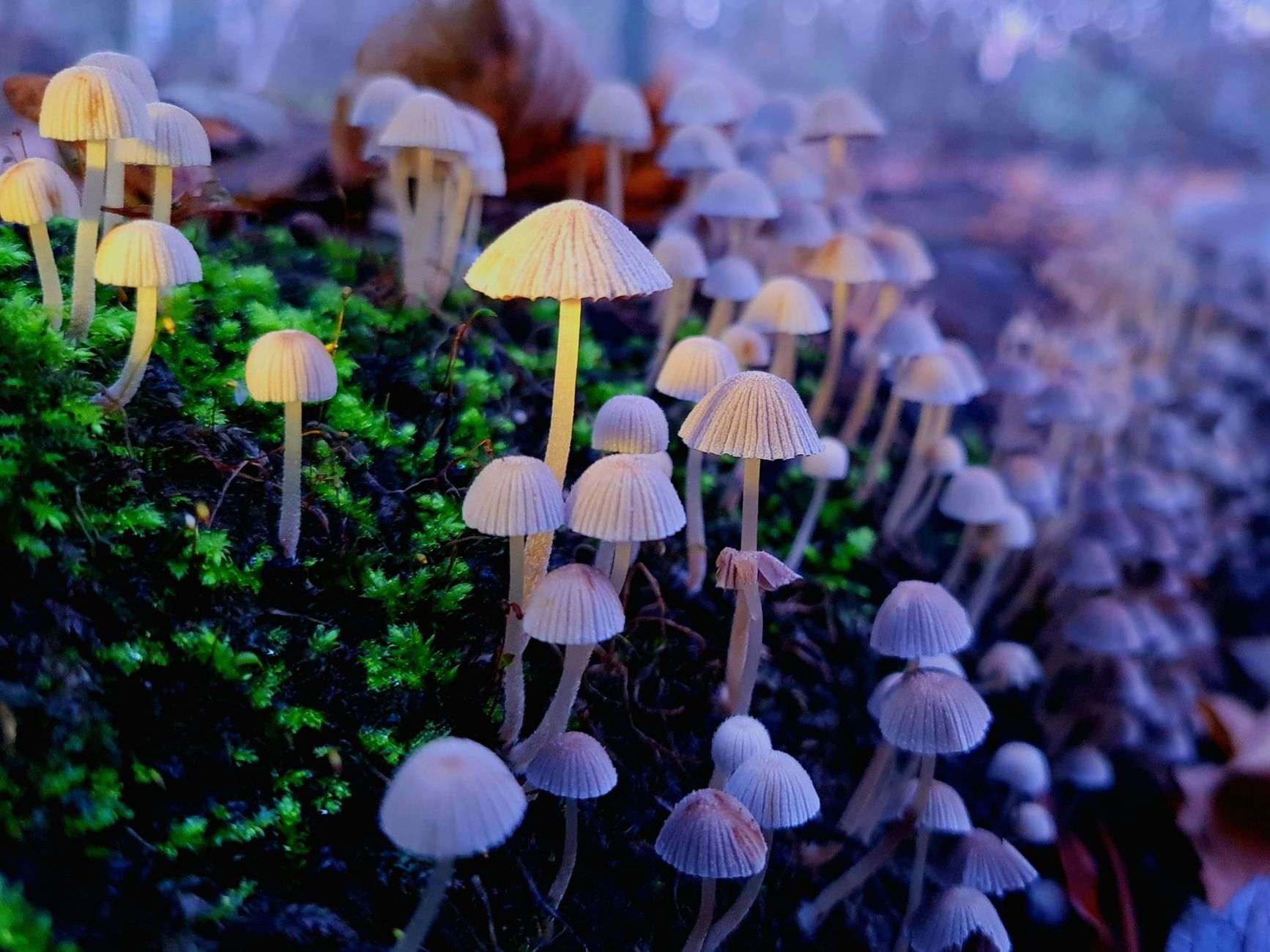
In the world of psychedelics, two names often come up: magic mushrooms and LSD. Both are known for their profound effects on perception and consciousness. While they share some similarities, the experiences they offer can be quite distinct. This guide aims to shed light on these differences, helping you understand what sets them apart, from how they're taken to the duration and nature of their effects. It's important to approach this topic with an understanding of the potential risks and benefits, always prioritizing safety and accurate information.
Magic mushrooms, often referred to as psilocybin mushrooms, contain the psychoactive compound psilocybin. These are naturally occurring fungi that have been used for centuries in spiritual and healing practices. The most common species used for their psychoactive effects are variations of Psilocybe cubensis.
Lysergic acid diethylamide, commonly known as LSD or acid, is a synthetic psychedelic drug. It was first synthesized in 1938 by Swiss chemist Albert Hofmann from ergot, a fungus that grows on rye and other grains. LSD is known for its potent hallucinogenic properties and is typically produced in a laboratory setting.
The way these substances are consumed significantly impacts the experience. Magic mushrooms are usually dried and then eaten whole, or they can be brewed into a tea for consumption. This method is relatively straightforward, though the taste can be an acquired one for some.
LSD is most commonly found on small tabs of blotter paper, which are placed under the tongue to dissolve. It can also be found in liquid form, taken via a dropper. The paper tab method is discreet and easy to administer, making it a popular choice.
Timing is a key factor when considering the experience. On an empty stomach, both magic mushrooms and LSD typically begin to take effect within about an hour after ingestion. However, consuming either substance after a meal can prolong this onset period.
A mushroom trip generally lasts for about 6 hours. In contrast, an LSD trip can be considerably longer, often extending for a full 10 hours. This difference in duration is a significant factor for individuals planning their experience, as it requires a greater commitment of time.
Scenario: Imagine you're attending a music festival and decide to try one of these substances. With mushrooms, you might experience the peak effects during the main act and start to come down by the end of the night. With LSD, the longer duration means the effects could extend well into the early morning hours, potentially impacting your sleep and next-day energy levels.
Despite having a similar list of potential perceptual effects, the subjective experience of mushrooms and LSD can differ greatly. This is due to various factors, including the chemical compounds involved and how they interact with the brain.
Mushroom trips are often described as a more 'whole-body' experience. Users may feel the effects physically as well as mentally. The journey tends to feel more grounded and connected to the present moment, with a sense of natural unfolding.
LSD, on the other hand, is largely characterized as a 'cerebral' or mind-focused experience. The effects are predominantly felt in the mind, leading to intense thought patterns, altered cognition, and sometimes a feeling of detachment from the physical body. The rapid pace and intensity of LSD can lead to profound insights or overwhelming sensations.
The concepts of 'set' and 'setting' are vital for any psychedelic experience, but they are particularly essential for LSD due to its cerebral nature. 'Set' refers to your mindset – your thoughts, emotions, and expectations going into the experience. 'Setting' is the physical and social environment in which you take the substance.
With LSD, a positive and prepared mindset, combined with a safe, comfortable, and supportive environment, can greatly increase the chances of a positive and insightful experience. Conversely, a negative mindset or an unsettling environment can amplify anxieties and lead to a challenging or frightening experience, often termed a 'bad trip'. While set and setting are also important for mushrooms, the more grounded nature of the experience may make it slightly more forgiving of less-than-ideal conditions compared to LSD.
Both magic mushrooms and LSD can lead to a range of perceptual changes:
While these effects are usually temporary, it's important to be aware of potential psychological complications. Both substances carry a risk of triggering underlying mental health conditions or leading to temporary anxiety or paranoia. The longer duration and intense cerebral nature of LSD might increase the likelihood of experiencing overwhelming or distressing psychological states for some individuals.
Developing a tolerance to either substance can occur over time with repeated use. It's generally noted that it takes less LSD than psilocybin to achieve significant psychedelic effects. This ease of taking a higher dose with LSD, combined with its longer duration, might contribute to a higher reported incidence of challenging experiences.
It is crucial to understand the legal implications of using these substances. In many parts of the world, both magic mushrooms and LSD remain illegal. However, there are ongoing shifts in legislation, with some regions exploring therapeutic applications. For example, in November 2020, Oregon in the US passed measures allowing for therapeutic use of psilocybin mushrooms in controlled settings and decriminalizing possession of small amounts of various substances.
Healthline does not endorse the illegal use of any substances. Our aim is to provide accurate information to help reduce potential harm. If you are concerned about your substance use or that of someone you know, free and confidential support is available. You can contact the Substance Abuse and Mental Health Services Administration (SAMHSA) National Helpline at 1-800-662-4357 (HELP) in the United States. Similar resources may be available in your region.
If you or someone you know is struggling with substance use or experiencing severe psychological distress after using psychedelics, seeking professional help is important. This includes:
Healthcare professionals and addiction specialists can provide guidance, support, and treatment options. Remember, reaching out for help is a sign of strength.
Visit Hospital
Near You
Discover how to choose the ideal nursing home in Kishanganj for your loved ones. Expert advice and key considerations.
May 19, 2026
Find the best pregnancy doctors in Dehri for safe and healthy childbirth. Expert advice, prenatal care, and support for your journey.
May 18, 2026
Find top Gynecologists and Maternity Hospitals in Gaya. Get expert care for women's health and childbirth. Book appointments easily.
May 18, 2026