

Emergency & Help
24/7 Emergency & General Advisory
🚨 24/7 Medical Emergency
Non-Emergency Advisory
10:00 AM – 6:00 PM, Mon–Sat
For appointments & general queries.
24/7 Emergency & General Advisory
🚨 24/7 Medical Emergency
Non-Emergency Advisory
10:00 AM – 6:00 PM, Mon–Sat
For appointments & general queries.
Stay updated with our latest healthcare news and your appointments.
Learn to identify and cope with guilt associated with postpartum depression (PPD). Discover strategies and understand why these feelings occur to support new mothers in India.
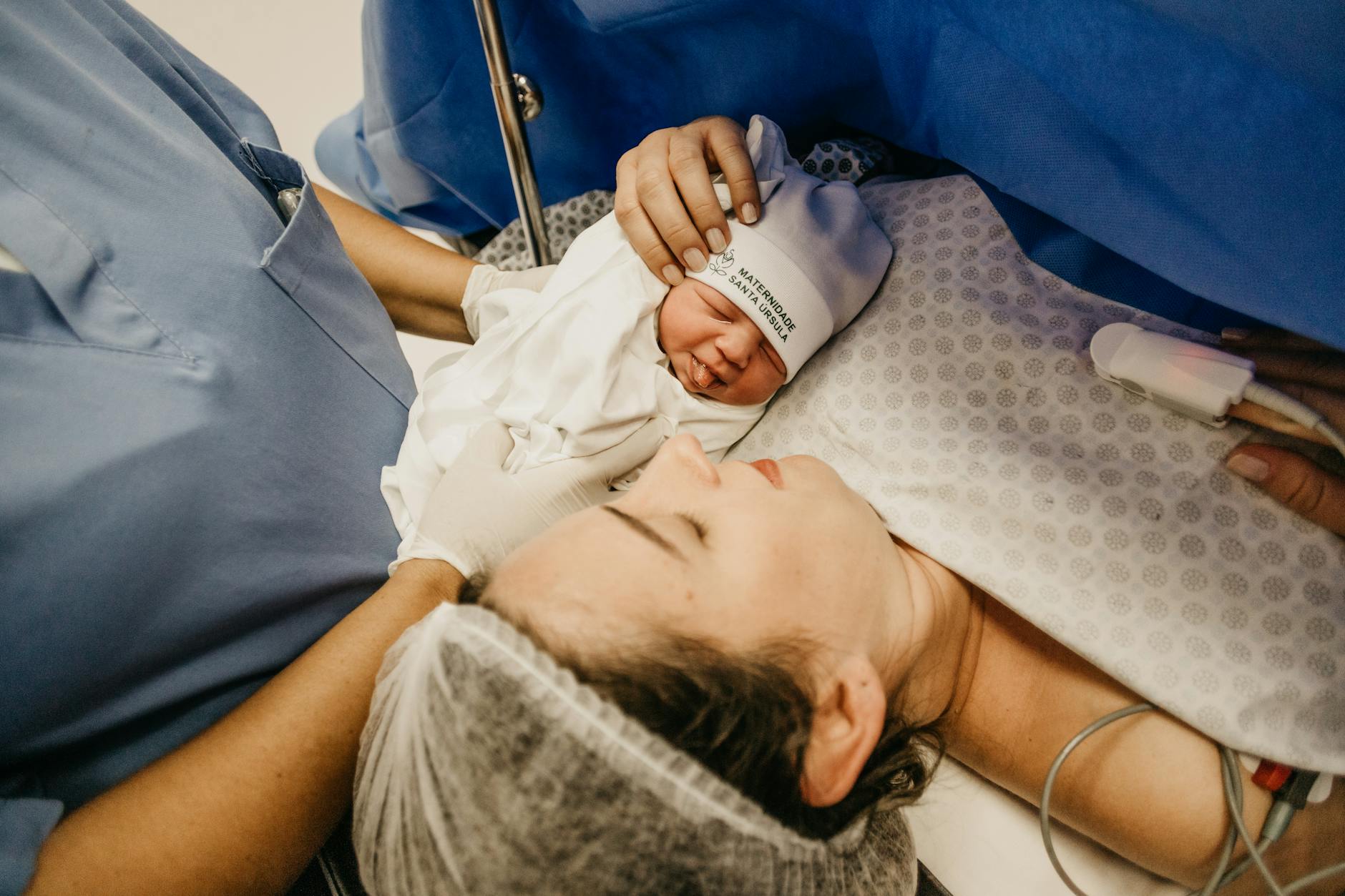
Becoming a new mother is a profound experience, filled with immense joy and love. However, for many, this period can also be accompanied by significant emotional challenges, including postpartum depression (PPD). A particularly distressing symptom of PPD is the pervasive feeling of guilt. This guilt can manifest in various ways, such as feeling like an inadequate parent, believing you're not providing your baby with the best start, or even feeling guilty for needing a break from the constant demands of childcare. It's crucial to understand that these feelings, while painful, are often symptoms of PPD and not a reflection of your true capabilities as a mother. This guide aims to shed light on the nature of PPD guilt and provide practical coping strategies for new mothers in India navigating this difficult phase.
Postpartum depression (PPD) is a serious mental health condition that affects new mothers. Unlike the temporary mood swings known as the 'baby blues,' which typically resolve within a few days to two weeks after childbirth, PPD is a more persistent and severe form of depression. It usually emerges within the first 6 to 8 weeks after giving birth, but can also appear later, sometimes up to a year postpartum. PPD can impact a woman's ability to care for her baby and herself, affecting her daily functioning and overall well-being. It is estimated that PPD affects as many as 1 in 8 new birthing parents, highlighting its prevalence and the importance of seeking support.
Guilt in the context of PPD is often irrational and disproportionate to the actual situation. Common expressions of this guilt include:
These feelings can create a vicious cycle, where guilt intensifies negative self-talk, leading to further feelings of inadequacy and more guilt. It's a self-perpetuating spiral that can be incredibly difficult to break free from without support.
The exact causes of PPD are not fully understood, but a combination of biological, psychological, and social factors are believed to contribute. For guilt and shame specifically, neurobiological changes play a significant role:
During PPD, certain areas of the brain, particularly the prefrontal cortex (PFC), which is responsible for higher-level thinking and decision-making, can become dysfunctional. This dysfunction can lead to a distorted perception of accomplishments versus failures. If the brain constantly signals that tasks are not being completed correctly, it can foster a deep-seated feeling of not being good enough. This can extend to feelings about one's ability to care for a child, be a good mother, and raise a happy, healthy human being.
Another area affected by PPD is the Default Mode Network (DMN), which is typically active when we are at rest and often associated with pleasant daydreaming and self-reflection. In PPD, the DMN can become dysregulated, leading to rumination and an excessive focus on negative aspects of oneself and one's life. Instead of positive introspection, the mind gets stuck in a loop of negative self-criticism, amplifying feelings of guilt and inadequacy.
Depression, in general, tends to create a negative bias in how we perceive ourselves and our experiences. This means that even positive events might be interpreted negatively, and negative events are amplified. This cognitive skew contributes to persistent negative self-talk, where every perceived mistake or shortcoming is magnified, feeding the guilt and shame cycle. The guilt can then become a self-fulfilling prophecy, as the mother's anxiety about her perceived failures can inadvertently lead to outcomes she feared.
In Indian society, there are often strong expectations placed on new mothers to be nurturing, self-sacrificing, and always content. The 'ideal mother' image can be incredibly demanding. When a mother is struggling with PPD and experiencing negative emotions or finding it difficult to cope, she may feel immense guilt for not living up to these societal ideals. The pressure to appear 'perfect' can exacerbate feelings of inadequacy and isolation.
Managing guilt in PPD requires a multi-faceted approach, combining self-care, professional help, and support systems. Here are some effective strategies:
It is essential to seek medical advice if you experience any of the following:
If you are experiencing any of these symptoms, please reach out to your doctor, a gynecologist, or a mental health professional immediately. Early intervention is key to effective recovery.
The medical field is continuously advancing in its understanding and treatment of PPD. In recent years, new treatment options have become available:
These newer medications, along with established treatments like psychotherapy and traditional antidepressants, offer hope and effective solutions for mothers struggling with PPD. Discussing these options with your healthcare provider can help determine the best course of treatment for your individual needs.
Experiencing guilt as part of postpartum depression is a common but treatable challenge. It is vital for new mothers in India and worldwide to understand that these feelings are not a sign of weakness or failure. By seeking professional help, practicing self-compassion, building a strong support system, and utilizing available coping strategies and treatments, mothers can navigate through PPD guilt and embrace the joys of motherhood with renewed confidence and well-being. Remember, you are not alone, and help is available.
Visit Hospital
Near You
Discover how to choose the ideal nursing home in Kishanganj for your loved ones. Expert advice and key considerations.
May 19, 2026
Find the best pregnancy doctors in Dehri for safe and healthy childbirth. Expert advice, prenatal care, and support for your journey.
May 18, 2026
Find top Gynecologists and Maternity Hospitals in Gaya. Get expert care for women's health and childbirth. Book appointments easily.
May 18, 2026