

Emergency & Help
24/7 Emergency & General Advisory
🚨 24/7 Medical Emergency
Non-Emergency Advisory
10:00 AM – 6:00 PM, Mon–Sat
For appointments & general queries.
24/7 Emergency & General Advisory
🚨 24/7 Medical Emergency
Non-Emergency Advisory
10:00 AM – 6:00 PM, Mon–Sat
For appointments & general queries.
Stay updated with our latest healthcare news and your appointments.
Explore the complex relationship between schizophrenia and sleep disturbances. Learn about common sleep issues like insomnia and sleep apnea, their impact on symptoms, and effective strategies for better sleep.
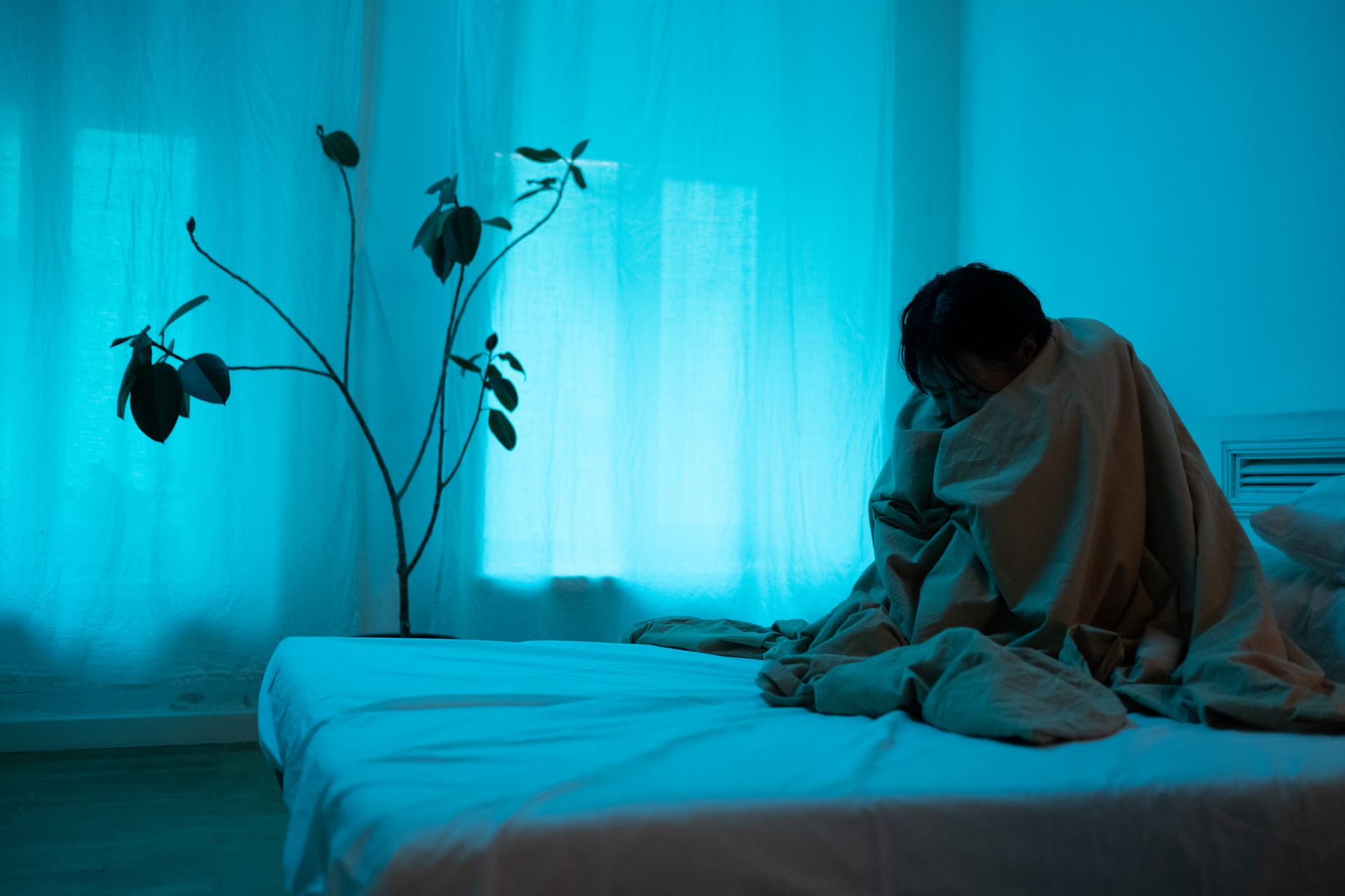
Sleep. It’s that essential period of rest our bodies and minds crave every single day. But for individuals navigating the complexities of schizophrenia, this fundamental need can become a significant battleground. It’s not just about feeling tired; disturbed sleep can profoundly impact the very fabric of their mental health, often exacerbating symptoms and complicating treatment. If you or someone you know is dealing with schizophrenia, understanding this intricate link between the condition and sleep disturbances is the first, vital step towards finding effective solutions and reclaiming a sense of well-being. Schizophrenia, a chronic and severe mental disorder, affects how a person thinks, feels, and behaves. While often associated with symptoms like hallucinations and delusions, its reach extends to fundamental bodily processes, including our sleep-wake cycles. In fact, for many, changes in sleep patterns can be one of the earliest indicators that something is amiss, sometimes appearing even before the more commonly recognized signs emerge. This makes sleep a critical area to monitor and address. The Intricate Link: Why Does Schizophrenia Affect Sleep? The connection between schizophrenia and sleep disturbances isn't a simple one; it's a complex interplay that researchers are still working to fully unravel. One leading theory suggests that the very genetic factors contributing to schizophrenia might also play a role in disrupting the body's natural internal clock – the circadian rhythm. Think of your circadian rhythm as your body's master conductor, orchestrating everything from when you feel sleepy to when you feel alert, and even hormone release and body temperature regulation. When this rhythm is thrown off-balance, the consequences for sleep can be far-reaching. It’s like the conductor has lost the score, and the orchestra is playing a chaotic jumble of notes instead of a harmonious melody. This disruption can lead to difficulty falling asleep, staying asleep, or experiencing fragmented and unrefreshing sleep. The exact biological mechanisms are still under investigation, but the evidence strongly points to shared genetic vulnerabilities and neurobiological pathways. Common Sleep Disturbances in Schizophrenia People diagnosed with schizophrenia face a significantly higher risk of experiencing a variety of sleep disorders. It’s not just one type of problem; it can manifest in several ways, each presenting its own set of challenges: Insomnia: The Constant Struggle to Sleep Insomnia is perhaps the most commonly reported sleep issue. It’s characterized by persistent difficulty falling asleep or staying asleep. While most of us experience occasional sleepless nights, for individuals with insomnia, this struggle occurs at least three times a week for three months or more. This chronic lack of sleep can leave individuals feeling exhausted, irritable, and less able to cope with daily life. Obstructive Sleep Apnea (OSA): When Breathing Stops Obstructive Sleep Apnea is a serious condition where breathing repeatedly stops and starts during sleep. This often happens because the airway becomes blocked. For people with schizophrenia, the risk of OSA can be heightened, potentially due to factors like weight gain associated with certain antipsychotic medications. Obesity is a known risk factor for OSA, creating a compounding effect. The constant interruptions in breathing lead to poor sleep quality, daytime sleepiness, and can put a strain on the cardiovascular system. Restless Legs Syndrome (RLS): An Uncontrollable Urge Restless Legs Syndrome is a neurological disorder characterized by an irresistible urge to move the legs, often accompanied by uncomfortable sensations. This urge typically strikes when a person is at rest, particularly in the evening or at night, making it incredibly difficult to fall asleep. The discomfort and the need to move can lead to significant sleep deprivation. Circadian Rhythm Disorders: Out of Sync with Time As mentioned earlier, disruptions to the circadian rhythm are particularly prevalent. This can manifest as a delayed sleep-wake phase disorder, where individuals naturally fall asleep and wake up much later than desired, or as a general inability to maintain a consistent sleep-wake schedule. This misalignment with the typical societal schedule can lead to social isolation and further worsen mental health symptoms. Narcolepsy: Uncontrollable Daytime Sleepiness While less common, research suggests a potential link between schizophrenia and narcolepsy, a neurological disorder that affects the brain's ability to regulate sleep-wake cycles. This can result in overwhelming daytime drowsiness and sudden attacks of sleep. Intriguingly, some studies indicate that narcolepsy type 1 (NT1) might even be a risk factor for developing schizophrenia, suggesting a complex bidirectional relationship. Eating Disorders and Sleep Schizophrenia can also be associated with eating disorders, which in turn can disrupt sleep. Conditions like binge eating disorder or night eating syndrome, where individuals consume large amounts of food, often at night, can interfere with normal sleep patterns. The cycle of disordered eating and disrupted sleep can create a challenging feedback loop. The Impact of Poor Sleep on Schizophrenia Symptoms The consequences of disturbed sleep for individuals with schizophrenia are profound and can create a vicious cycle. When sleep is inadequate, the very symptoms of schizophrenia can intensify: Exacerbated Psychotic Symptoms: Lack of sleep can make hallucinations and delusions more frequent or intense. The mind, deprived of rest, may struggle to differentiate reality from internal experiences. Emotional Dysregulation: Mood swings can become more pronounced. Anger, irritability, sadness, or emotional flatness might increase, making it harder to manage emotional responses. Cognitive Difficulties: Concentration, memory, and problem-solving abilities can further decline. This makes daily tasks, treatment adherence, and social interactions even more challenging. Reduced Treatment Efficacy: Poor sleep can diminish the effectiveness of antipsychotic medications and other therapies. When the brain isn't functioning optimally due to sleep deprivation, it’s less able to respond to treatment. Increased Risk of Relapse: For some, significant sleep disturbances can be an early warning sign of an impending relapse, highlighting the importance of monitoring sleep as a protective factor. When Does Sleep Disruption Signal Schizophrenia? It’s important to remember that occasional sleep problems are common and can be caused by many factors. However, if you notice a persistent pattern of sleep disruption, especially if it occurs alongside other changes in thinking, mood, or behavior, it warrants attention. Sleep disturbances can be a *prodromal symptom* – an early sign – of schizophrenia, appearing before the more dramatic symptoms like hallucinations or delusions fully manifest. This makes paying attention to changes in sleep patterns, such as waking up frequently, having difficulty initiating sleep, or experiencing a significant shift in your usual sleep-wake times, especially important for early detection and intervention. Strategies for Improving Sleep in Schizophrenia Managing sleep disorders in individuals with schizophrenia requires a multifaceted and personalized approach. It's not a one-size-fits-all solution, and often involves collaboration between the individual, their caregivers, and their healthcare team. The goal is to create a supportive environment that promotes restful sleep and, in turn, supports overall mental health. 1. Prioritize Sleep Hygiene: The Foundation of Good Sleep Good sleep hygiene involves establishing healthy habits and an environment conducive to sleep. This includes: Consistent Sleep Schedule: Go to bed and wake up around the same time every day, even on weekends. This helps regulate your body’s natural sleep-wake cycle. Relaxing Bedtime Routine: Engage in calming activities before bed, such as reading a book, taking a warm bath, or listening to soothing music. Avoid stimulating activities. Optimize Your Sleep Environment: Ensure your bedroom is dark, quiet, and cool. Invest in comfortable bedding. Limit Screen Time: The blue light emitted from phones, tablets, and computers can interfere with melatonin production, a hormone that signals sleep. Avoid screens for at least an hour before bed. Watch Your Diet and Fluids: Avoid heavy meals, caffeine, and alcohol close to bedtime. Limit fluid intake in the evening to reduce nighttime awakenings. Regular Physical Activity: Exercise can improve sleep quality, but avoid intense workouts close to bedtime. 2. Cognitive Behavioral Therapy for Insomnia (CBT-I) CBT-I is a highly effective, non-medication treatment for insomnia. It helps individuals identify and change thoughts and behaviors that interfere with sleep. Therapists guide patients through techniques like sleep restriction, stimulus control, and cognitive restructuring to retrain the brain for better sleep. 3. Medication Review and Adjustment If you are taking antipsychotic medications, discuss potential sleep-related side effects with your doctor. Sometimes, adjusting the dosage, timing, or type of medication can significantly improve sleep. Never make changes to your medication without consulting your healthcare provider. 4. Addressing Co-occurring Conditions If sleep disturbances are linked to other conditions like sleep apnea, restless legs syndrome, or eating disorders, these must be treated concurrently. This might involve CPAP therapy for sleep apnea, specific medications for RLS, or specialized treatment programs for eating disorders. 5. Lifestyle Modifications Incorporating stress-management techniques like mindfulness, deep breathing exercises, or gentle yoga can be beneficial. Creating a structured daily routine can also provide a sense of predictability and reduce anxiety, both of which can positively impact sleep. 6. Light Therapy For circadian rhythm disruptions, light therapy, using a specialized light box at specific times of the day, can help reset the internal clock. This should be done under the guidance of a healthcare professional. When to Consult a Doctor It is essential to seek professional medical advice if
In summary, timely diagnosis, evidence-based treatment, and prevention-focused care improve long-term health outcomes.
Visit Hospital
Near You
Discover how to choose the ideal nursing home in Kishanganj for your loved ones. Expert advice and key considerations.
May 19, 2026
Find the best pregnancy doctors in Dehri for safe and healthy childbirth. Expert advice, prenatal care, and support for your journey.
May 18, 2026
Find top Gynecologists and Maternity Hospitals in Gaya. Get expert care for women's health and childbirth. Book appointments easily.
May 18, 2026