

Emergency & Help
24/7 Emergency & General Advisory
🚨 24/7 Medical Emergency
Non-Emergency Advisory
10:00 AM – 6:00 PM, Mon–Sat
For appointments & general queries.
24/7 Emergency & General Advisory
🚨 24/7 Medical Emergency
Non-Emergency Advisory
10:00 AM – 6:00 PM, Mon–Sat
For appointments & general queries.
Stay updated with our latest healthcare news and your appointments.
Schizophrenia is a psychotic disorder, not a personality disorder. Learn about the key differences, symptoms, and why understanding this distinction is vital for accurate diagnosis and treatment.
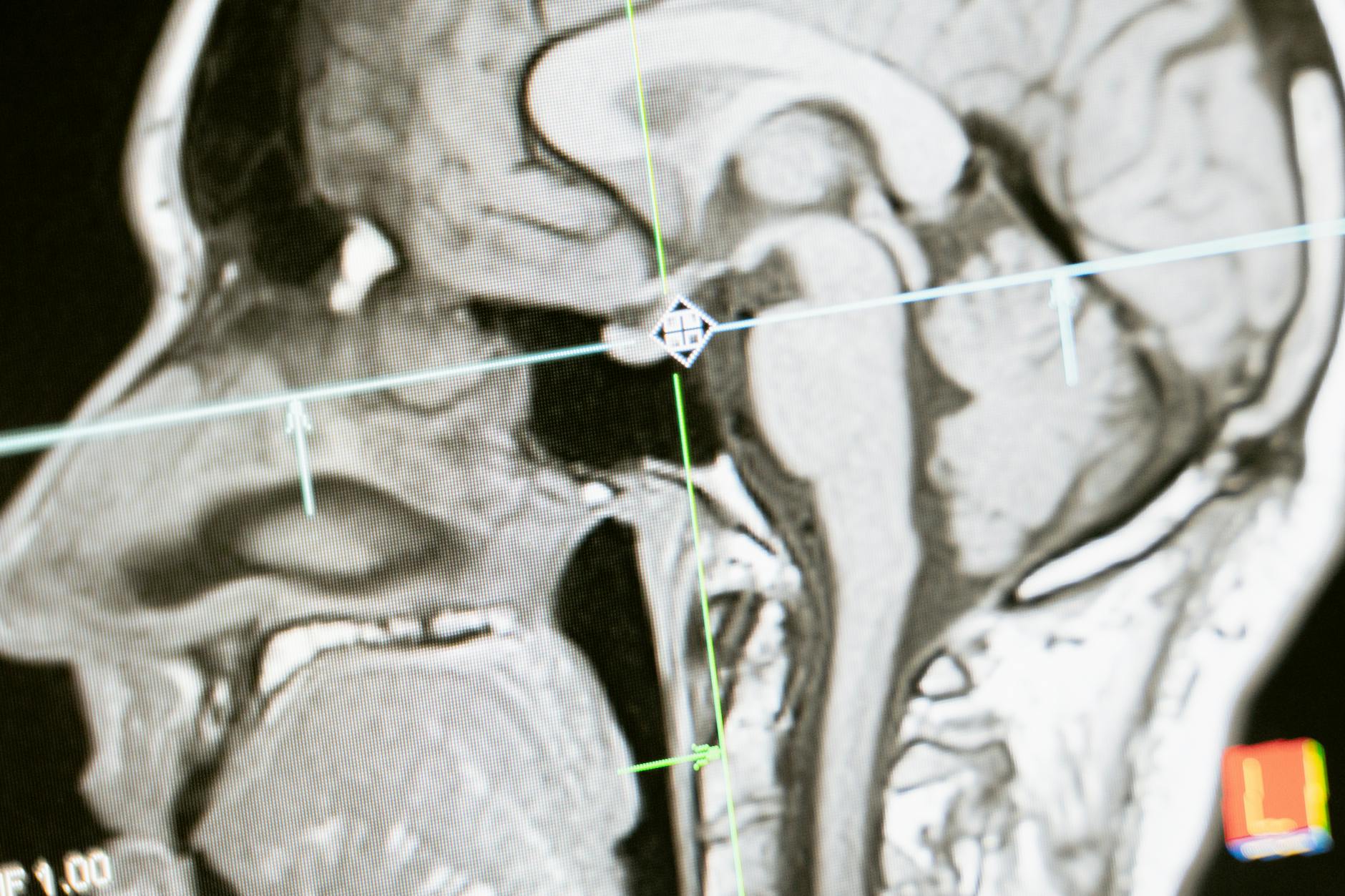
It's a common misconception that schizophrenia is a type of personality disorder, often referred to as a "split personality." However, this is not accurate. While both schizophrenia and personality disorders are serious mental health conditions, they are distinct diagnoses with different characteristics, causes, and treatment approaches. Understanding these differences is crucial for accurate diagnosis, effective treatment, and reducing the stigma associated with these conditions.
Schizophrenia is a chronic and severe mental disorder that affects how a person thinks, feels, and behaves. Individuals with schizophrenia may seem like they have lost touch with reality, which can be distressing for both them and their loved ones. It is classified as a psychotic disorder, meaning it involves altered perceptions of reality, such as hallucinations and delusions.
Schizophrenia typically emerges in late adolescence or early adulthood, often in the 20s. The symptoms can vary in intensity and may come in episodes, with periods of remission where symptoms are less severe or absent.
Personality disorders are a group of mental health conditions characterized by long-standing, pervasive, and inflexible patterns of thinking, feeling, and behaving that deviate significantly from cultural expectations. These patterns typically emerge in adolescence or early adulthood and are stable over time, impacting how individuals interact with the world and form relationships.
There are several types of personality disorders, categorized into three clusters: Cluster A (odd or eccentric), Cluster B (dramatic, emotional, or erratic), and Cluster C (anxious or fearful).
One personality disorder that shares some superficial similarities with schizophrenia is schizotypal personality disorder (STPD). Individuals with STPD may exhibit eccentric behaviors, unusual beliefs or magical thinking, and social anxiety. They might also experience transient, stress-related psychotic symptoms, such as brief hallucinations or paranoid thoughts. However, these psychotic episodes are typically less severe and shorter in duration than those experienced by individuals with schizophrenia and do not meet the full criteria for a psychotic disorder.
The fundamental difference lies in the nature and persistence of symptoms:
The confusion often stems from the term "schizo," which means "split" or "split mind." This has led to the widespread, but incorrect, belief that schizophrenia involves a split personality. The reality is that schizophrenia involves a "split" from reality due to psychosis, not a split of the personality itself. The existence of schizotypal personality disorder, which shares some features with schizophrenia, further adds to the confusion.
The stigma surrounding mental health conditions, including schizophrenia and personality disorders, can be incredibly damaging. Misinformation, like the idea of a "split personality," perpetuates fear and misunderstanding, making it harder for individuals to seek help and support. It can lead to social isolation, discrimination, and a reluctance to disclose one's condition.
Many symptoms associated with mental health conditions can create social isolation and a deterioration of relationships. Stigma and fear of judgment may keep individuals away from peers. Sometimes, the symptoms experienced may contribute to low emotional expression or a decreased ability to experience joy through others. Living with schizophrenia can present challenges, but it doesn't mean one is living with the rigid, long-term patterns of behavior that accompany a personality disorder.
If you or someone you know is experiencing symptoms that suggest either schizophrenia or a personality disorder, it is crucial to seek professional help. Early diagnosis and treatment can significantly improve outcomes.
A mental health professional, such as a psychiatrist or psychologist, can conduct a thorough evaluation, including a clinical interview and assessment, to provide an accurate diagnosis and develop an appropriate treatment plan. Treatment may involve medication, psychotherapy (such as cognitive-behavioral therapy), and support services.
No, schizophrenia is not a multiple personality disorder. The term "split personality" is a misnomer. Schizophrenia involves a "split" from reality due to psychosis, not a split of the personality.
Yes, it is possible for an individual to be diagnosed with both schizophrenia and a personality disorder. However, they are distinct conditions, and the diagnosis of one does not automatically imply the presence of the other.
The main difference lies in the severity and persistence of psychotic symptoms. Schizophrenia is characterized by significant and persistent psychosis, while schizotypal personality disorder may involve transient, stress-related psychotic-like experiences that are less severe and do not meet the full criteria for schizophrenia.
Treatment approaches differ. Schizophrenia often involves antipsychotic medications to manage psychotic symptoms, along with psychotherapy and social support. Personality disorders are primarily treated with psychotherapy, focusing on changing maladaptive thought and behavior patterns. Medication may be used to address co-occurring symptoms like anxiety or depression.
Accurate diagnosis is essential for effective treatment. Different conditions require different therapeutic strategies and medications. Misdiagnosis can lead to ineffective treatment and prolonged suffering. Furthermore, understanding the distinctions helps combat stigma and promotes informed public perception.
Visit Hospital
Near You
Discover how to choose the ideal nursing home in Kishanganj for your loved ones. Expert advice and key considerations.
May 19, 2026
Find the best pregnancy doctors in Dehri for safe and healthy childbirth. Expert advice, prenatal care, and support for your journey.
May 18, 2026
Find top Gynecologists and Maternity Hospitals in Gaya. Get expert care for women's health and childbirth. Book appointments easily.
May 18, 2026