

Emergency & Help
24/7 Emergency & General Advisory
🚨 24/7 Medical Emergency
Non-Emergency Advisory
10:00 AM – 6:00 PM, Mon–Sat
For appointments & general queries.
24/7 Emergency & General Advisory
🚨 24/7 Medical Emergency
Non-Emergency Advisory
10:00 AM – 6:00 PM, Mon–Sat
For appointments & general queries.
Stay updated with our latest healthcare news and your appointments.
Understanding the profound pain behind suicidal thoughts and why calling it 'selfish' is a harmful misconception. Learn about the real causes and how to offer support.
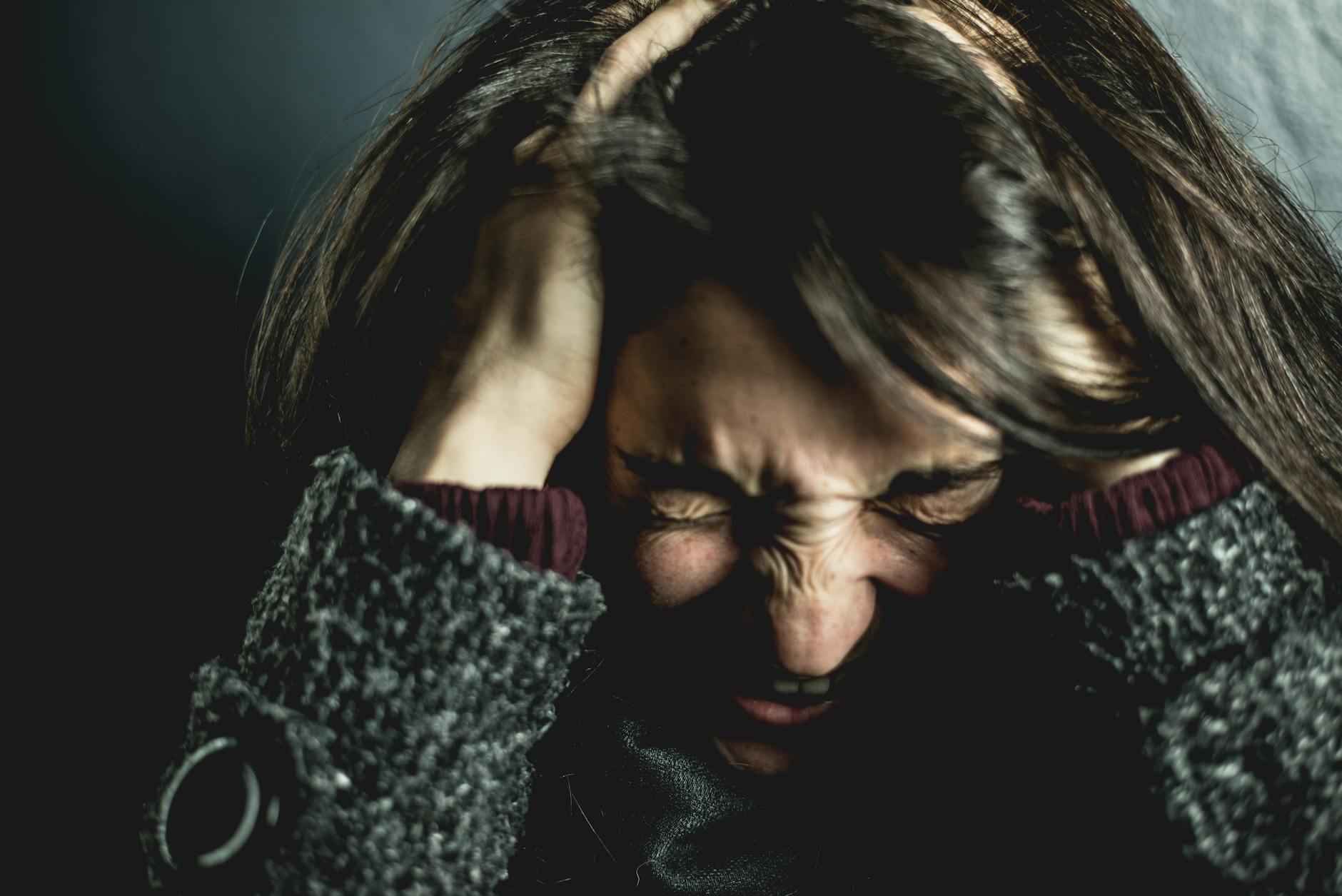
The words sting, don't they? "Selfish." It's a label too often thrown at individuals who die by suicide. We hear it whispered, sometimes even shouted, fueled by a lack of understanding and a deep, painful grief. It's a simple word, but it carries a tremendous weight, and frankly, it's wrong. Let's talk about why this misconception is so harmful and what the reality truly looks like. When someone is in such profound pain that suicide feels like the only escape, it's not about selfishness; it's about an unbearable agony that has eclipsed all other considerations.
Why does this myth persist? Often, it stems from the intense grief, confusion, and anger felt by those left behind. It's a natural human response to try and make sense of an unfathomable loss. We want answers, we want explanations, and sometimes, "selfish" feels like a way to process the pain and the void. But this perspective, while understandable, doesn't grasp the complexity of suicidal ideation. It reduces a person's struggle to a single, negative trait, ignoring the overwhelming mental and emotional distress they were experiencing.
Think about it this way: when someone is drowning in despair, their world shrinks. The pain becomes so all-consuming that it blocks out everything else – the love of their family, the beauty of the world, the potential for future happiness. They aren't thinking about hurting others; they are desperately trying to end their own suffering. It's a cry for relief, not a deliberate act to inflict pain.
Suicidal thoughts don't appear out of thin air. They are often the culmination of intense psychological pain, sometimes exacerbated by difficult life circumstances. Several factors can contribute:
It's crucial to understand that these aren't choices. They are symptoms of deep-seated distress and illness. The individual isn't choosing to be in pain; they are trying to escape pain that feels unbearable.
The
This section adds practical context and preventive advice to help readers make informed healthcare decisions. It is important to verify symptoms early, consult qualified doctors, and avoid self-medication for persistent health issues.
Maintaining healthy routines, following prescribed treatment plans, and attending regular checkups can improve outcomes. If symptoms worsen or red-flag signs appear, immediate medical evaluation is recommended.
Track symptoms and duration.
Follow diagnosis and treatment from a licensed practitioner.
Review medication side effects with your doctor.
Seek urgent care for severe warning signs.
Visit Hospital
Near You
Discover how to choose the ideal nursing home in Kishanganj for your loved ones. Expert advice and key considerations.
May 19, 2026
Find the best pregnancy doctors in Dehri for safe and healthy childbirth. Expert advice, prenatal care, and support for your journey.
May 18, 2026
Find top Gynecologists and Maternity Hospitals in Gaya. Get expert care for women's health and childbirth. Book appointments easily.
May 18, 2026