

Emergency & Help
24/7 Emergency & General Advisory
🚨 24/7 Medical Emergency
Non-Emergency Advisory
10:00 AM – 6:00 PM, Mon–Sat
For appointments & general queries.
24/7 Emergency & General Advisory
🚨 24/7 Medical Emergency
Non-Emergency Advisory
10:00 AM – 6:00 PM, Mon–Sat
For appointments & general queries.
Stay updated with our latest healthcare news and your appointments.
Explore the potential causes, symptoms, and treatment options for schizophrenia. Understand the genetic, environmental, and brain chemistry factors involved, and learn when to seek professional help.
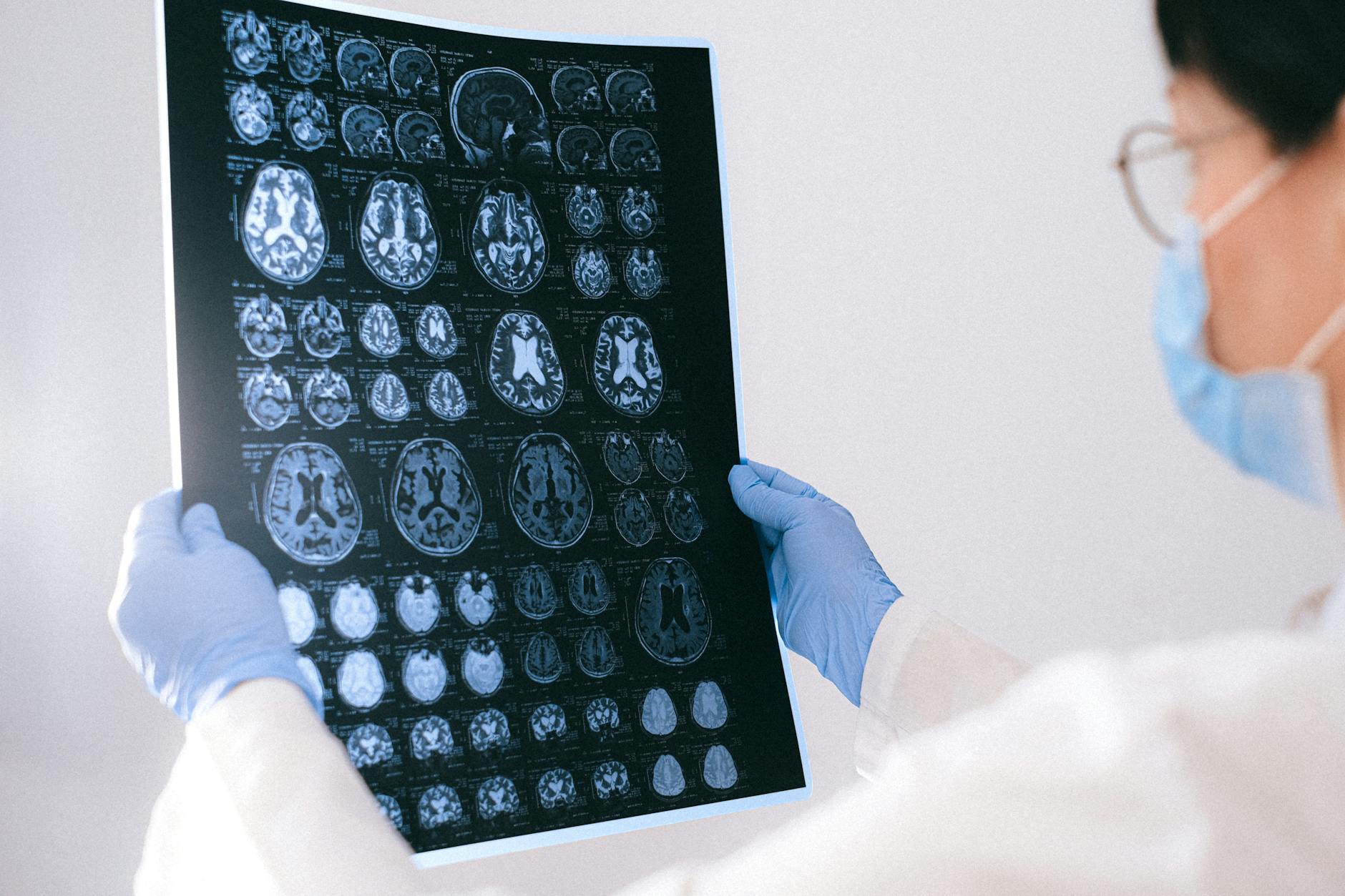
Schizophrenia is a complex mental health disorder that affects how a person thinks, feels, and behaves. It can be a challenging condition, both for the individual experiencing it and their loved ones. While the exact cause remains a subject of ongoing research, scientists and medical professionals have identified several potential factors that may contribute to its development. This blog post aims to shed light on these factors, discuss common symptoms, explore how it's diagnosed, outline treatment approaches, and help you understand when it’s important to seek professional medical advice.
Schizophrenia is not a split personality, as is often misunderstood. Instead, it's a chronic brain disorder that distorts a person's perceptions, thoughts, emotions, and behaviour. People with schizophrenia may experience episodes where they seem to lose touch with reality. This can manifest as hallucinations (seeing or hearing things that aren’t there) or delusions (holding strong, false beliefs). It's a serious condition that requires ongoing medical care and support.
The exact reason why some people develop schizophrenia isn't fully understood, but it's believed to result from a combination of factors. It's rarely caused by a single element.
Research strongly suggests that genetics play a significant role. If schizophrenia runs in your family, your risk of developing it increases. This is particularly true if you have a close relative like a parent or sibling with the condition.
Consider this: If one identical twin has schizophrenia, the other has a 50% chance of developing it, even if they are raised in separate environments. For non-identical twins, the risk is lower, around 1 in 8, which is still considerably higher than the general population's 1 in 100 risk. While genes are a major factor, it's not a single gene that's responsible. Instead, it's likely a combination of multiple genes that can make someone more susceptible.
Chemicals in the brain called neurotransmitters are vital for sending signals between brain cells. Imbalances in these chemicals, particularly dopamine and glutamate, are thought to be involved in schizophrenia. Scientists have observed that people with schizophrenia may have subtle differences in their brain structure, although these changes aren't present in everyone with the disorder, and they can sometimes be seen in individuals without a diagnosed mental health condition.
Certain factors during pregnancy and birth may also increase the risk. These can include:
Due to ethical considerations, much of the research linking prenatal complications to schizophrenia has been conducted on animals. However, the findings suggest a potential connection.
While drugs like cannabis, cocaine, or LSD don't directly cause schizophrenia, heavy or long-term use, especially of cannabis, has been linked to an increased risk, particularly in young men. It might trigger the onset of the illness in individuals who are already genetically predisposed.
Experiences of significant trauma in childhood, such as abuse or neglect, are also considered potential contributing factors for some individuals who develop schizophrenia later in life.
Schizophrenia typically first appears in a person's late teens to early 30s. Symptoms can vary greatly from person to person and can change over time. They are often grouped into categories:
A Real-Life Scenario: Imagine a young man, Rohan, who used to be bright and social. Lately, his family has noticed him withdrawing, talking to himself frequently, and becoming increasingly suspicious of others, even his close friends. He's stopped attending his college classes, citing that people are 'plotting against him.' His family is worried and unsure what to do.
Diagnosing schizophrenia involves a thorough evaluation by a mental health professional, such as a psychiatrist or psychologist. There isn't a single test for it. The process typically includes:
While there is no cure for schizophrenia, it is a treatable condition. Effective management usually involves a combination of approaches:
Antipsychotic medications are the cornerstone of schizophrenia treatment. They help manage the positive symptoms like hallucinations and delusions. Different types of antipsychotics are available, and finding the right one, along with the correct dosage, may take some time and consultation with a doctor.
Therapy plays a crucial role in helping individuals with schizophrenia cope with their illness and improve their quality of life. Types of therapy include:
These services can help individuals regain independence and manage daily life. They may include vocational training, supported employment, and help with housing and daily living skills.
Living with schizophrenia presents challenges, but with the right support, individuals can lead fulfilling lives. Here are some tips:
If you or someone you know is experiencing symptoms suggestive of schizophrenia, it's essential to seek professional help promptly. Early diagnosis and treatment can significantly improve outcomes.
Consult a doctor or mental health professional immediately if you observe:
Remember, seeking help is a sign of strength. Many effective treatments are available to manage schizophrenia and improve the quality of life for those affected.
Schizophrenia is typically a chronic condition, meaning it's long-lasting. While there isn't a cure that completely eliminates the disorder, it is highly treatable. With consistent medication, therapy, and support, individuals can manage their symptoms effectively and lead meaningful lives.
Yes, many individuals with schizophrenia can live independently. This often depends on the severity of their symptoms, the effectiveness of their treatment, and the availability of support services such as rehabilitation programs, family support, and community resources.
Psychosis is a symptom, not a disorder itself. It refers to a state where a person loses touch with reality, experiencing hallucinations or delusions. Schizophrenia is a specific mental disorder that often involves psychotic episodes, but psychosis can also occur in other conditions like bipolar disorder or severe depression, or be induced by substance use.
Visit Hospital
Near You
Discover how to choose the ideal nursing home in Kishanganj for your loved ones. Expert advice and key considerations.
May 19, 2026
Find the best pregnancy doctors in Dehri for safe and healthy childbirth. Expert advice, prenatal care, and support for your journey.
May 18, 2026
Find top Gynecologists and Maternity Hospitals in Gaya. Get expert care for women's health and childbirth. Book appointments easily.
May 18, 2026