

Emergency & Help
24/7 Emergency & General Advisory
🚨 24/7 Medical Emergency
Non-Emergency Advisory
10:00 AM – 6:00 PM, Mon–Sat
For appointments & general queries.
24/7 Emergency & General Advisory
🚨 24/7 Medical Emergency
Non-Emergency Advisory
10:00 AM – 6:00 PM, Mon–Sat
For appointments & general queries.
Stay updated with our latest healthcare news and your appointments.
Explore how bipolar disorder affects thinking, memory, and concentration during manic, hypomanic, and depressive episodes. Learn about diagnosis, treatment, and management strategies.
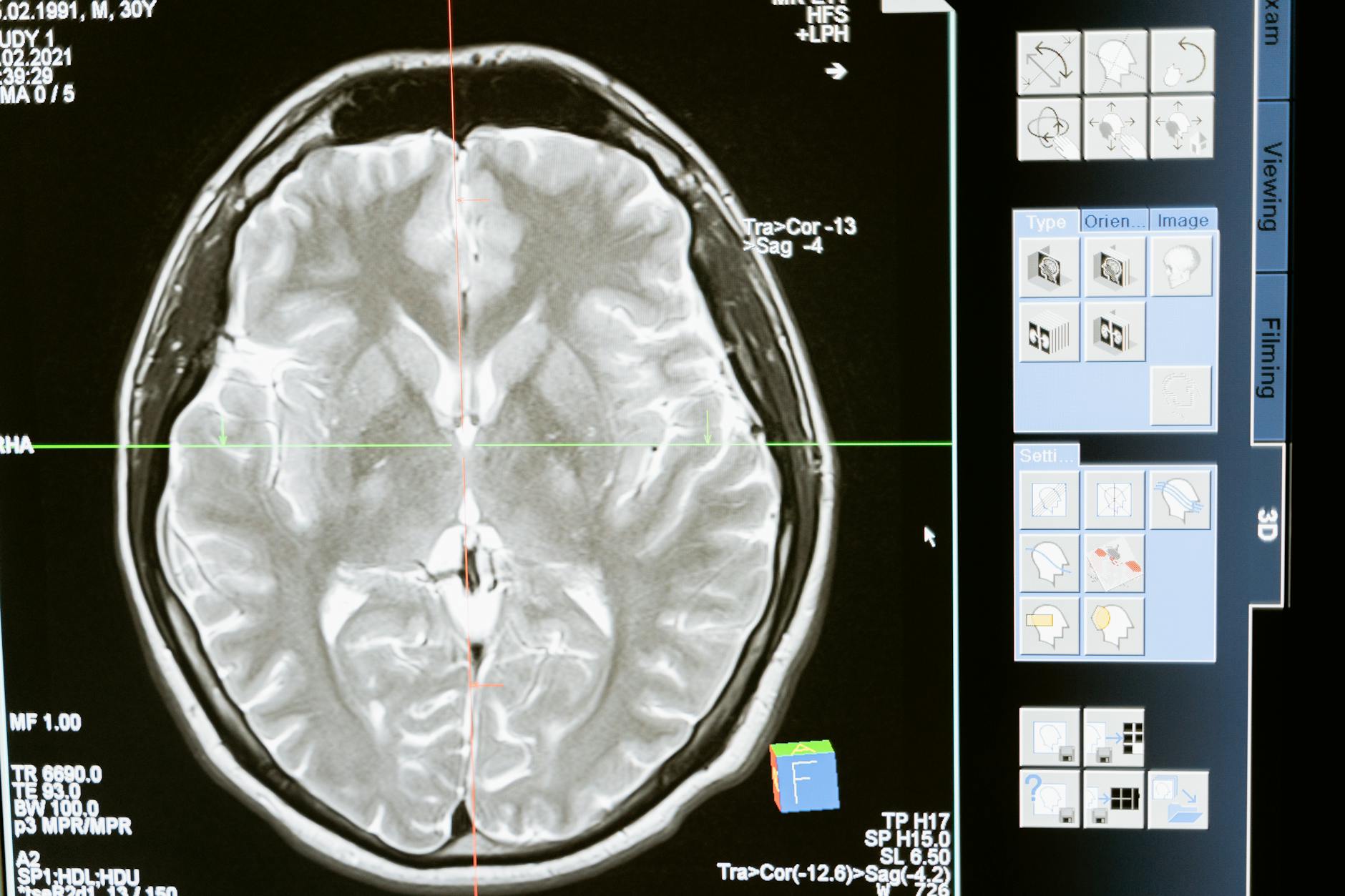
Understanding the Thought Patterns in Bipolar Disorder Bipolar disorder is a complex mental health condition that significantly impacts not only a person's emotions but also their cognitive processes, including how they think, concentrate, and remember. The nature of these cognitive changes often depends on the specific phase of the disorder the individual is experiencing, whether it's a manic, hypomanic, or depressive episode. Understanding these shifts is crucial for both individuals with bipolar disorder and their support systems. How Bipolar Disorder Affects Thinking Mental health conditions, including bipolar disorder, extend their influence beyond emotional regulation to affect cognitive functions. During manic or hypomanic episodes, individuals may experience a surge in mental energy, leading to rapid, racing thoughts. Conversely, during depressive episodes, thinking can slow down considerably, making concentration and decision-making challenging. Types of Bipolar Disorder and Their Impact on Cognition The specific type of bipolar disorder can influence the way thinking is affected. The most common types are Bipolar I and Bipolar II disorders. Bipolar I is characterized by full manic episodes, while Bipolar II involves hypomanic episodes, which are less severe and shorter in duration than mania. Depressive episodes are a hallmark of both, though they may differ in intensity and frequency. These variations in mood episodes directly correlate with the cognitive symptoms experienced. Cognitive Changes During Manic and Hypomanic Episodes During a manic episode, which can last for a week or more, individuals often report experiencing: Racing Thoughts: A rapid flow of thoughts that are difficult to control or halt. This can feel overwhelming and make it hard to focus on one idea. High Mental Energy: An intense level of mental activity, which can sometimes lead to increased creativity and a rapid generation of new ideas. However, this heightened energy can also make it difficult to settle on a single course of action. Difficulty Concentrating: Despite the abundance of thoughts, maintaining focus on a specific task or conversation can become extremely challenging. Impulsivity: Thoughts may lead to impulsive actions, as the individual acts on ideas without fully considering the consequences. Hypomanic episodes share some similarities with manic episodes but are less severe. While racing thoughts and increased energy may still be present, they are typically less disruptive and may not lead to significant impairment in functioning. Cognitive Changes During Depressive Episodes Depressive episodes in bipolar disorder bring about a different set of cognitive challenges: Slowed Thinking: Thoughts may feel sluggish, and it can take longer to process information or formulate responses. Difficulty Concentrating: Similar to manic episodes, concentration can be severely impaired, making it hard to read, follow conversations, or complete tasks. Impaired Memory: Both working memory (the ability to hold and manipulate information temporarily) and prospective memory (the ability to remember to do things in the future) can be affected. Studies suggest that impairments in delayed memory may occur during manic episodes, while working memory can be compromised during and between episodes. Indecisiveness: The combination of slowed thinking and difficulty concentrating can make even simple decisions feel overwhelming. Negative Thought Patterns: Individuals may experience persistent negative thoughts about themselves, others, and the future, often accompanied by feelings of hopelessness and worthlessness. Impact on Memory and Psychosis Bipolar disorder can have a notable impact on memory. Research indicates that individuals with bipolar disorder may experience deficits in delayed memory, particularly during manic episodes. Working memory can also be affected, both during and between episodes. Furthermore, prospective memory, the ability to remember planned actions, can be compromised, especially in cases of severe symptoms. When bipolar disorder involves psychotic features, memory can be further impacted. After an episode of psychosis, individuals might struggle to recall events accurately or may even recall events that did not occur. Studies have linked impaired working memory in individuals with bipolar disorder and psychosis to a higher likelihood of experiencing auditory verbal hallucinations, commonly known as hearing voices. The Role of Substance Use Disorders The co-occurrence of bipolar disorder and substance use disorders (SUDs) can exacerbate cognitive difficulties. A 2021 study highlighted that verbal memory and overall cognition are particularly reduced in individuals who have both bipolar disorder and an SUD. This underscores the importance of addressing both conditions concurrently for effective management. Diagnosis and Treatment Diagnosing bipolar disorder involves a comprehensive evaluation by a mental health professional, including a review of symptoms, medical history, and family history. Cognitive assessments may also be used to understand the extent of cognitive impairment. Treatment for bipolar disorder typically involves a combination of medication and psychotherapy. Mood stabilizers, antipsychotics, and antidepressants (used cautiously) are often prescribed to manage mood episodes. Psychotherapy, such as Cognitive Behavioral Therapy (CBT) and psychoeducation, can help individuals develop coping strategies for managing symptoms, improving cognitive function, and understanding their condition better. When to Consult a Doctor It is essential to consult a doctor or mental health professional if you or someone you know is experiencing symptoms of bipolar disorder, such as extreme mood swings, significant changes in energy levels, or persistent difficulties with concentration and memory. Early diagnosis and appropriate treatment are key to managing the condition effectively and improving quality of life. Prevention and Management While bipolar disorder cannot be prevented, its impact on cognitive function can be managed through consistent treatment. Adhering to prescribed medications, engaging in regular therapy, maintaining a healthy lifestyle with adequate sleep, nutrition, and exercise, and avoiding substance abuse can all contribute to better mood stability and cognitive
In summary, timely diagnosis, evidence-based treatment, and prevention-focused care improve long-term health outcomes.
Visit Hospital
Near You
Discover how to choose the ideal nursing home in Kishanganj for your loved ones. Expert advice and key considerations.
May 19, 2026
Find the best pregnancy doctors in Dehri for safe and healthy childbirth. Expert advice, prenatal care, and support for your journey.
May 18, 2026
Find top Gynecologists and Maternity Hospitals in Gaya. Get expert care for women's health and childbirth. Book appointments easily.
May 18, 2026