

Emergency & Help
24/7 Emergency & General Advisory
🚨 24/7 Medical Emergency
Non-Emergency Advisory
10:00 AM – 6:00 PM, Mon–Sat
For appointments & general queries.
24/7 Emergency & General Advisory
🚨 24/7 Medical Emergency
Non-Emergency Advisory
10:00 AM – 6:00 PM, Mon–Sat
For appointments & general queries.
Stay updated with our latest healthcare news and your appointments.
Learn about World Bipolar Day on March 30th, understand bipolar disorder, and discover practical ways to raise awareness, reduce stigma, and support mental wellness in our communities.
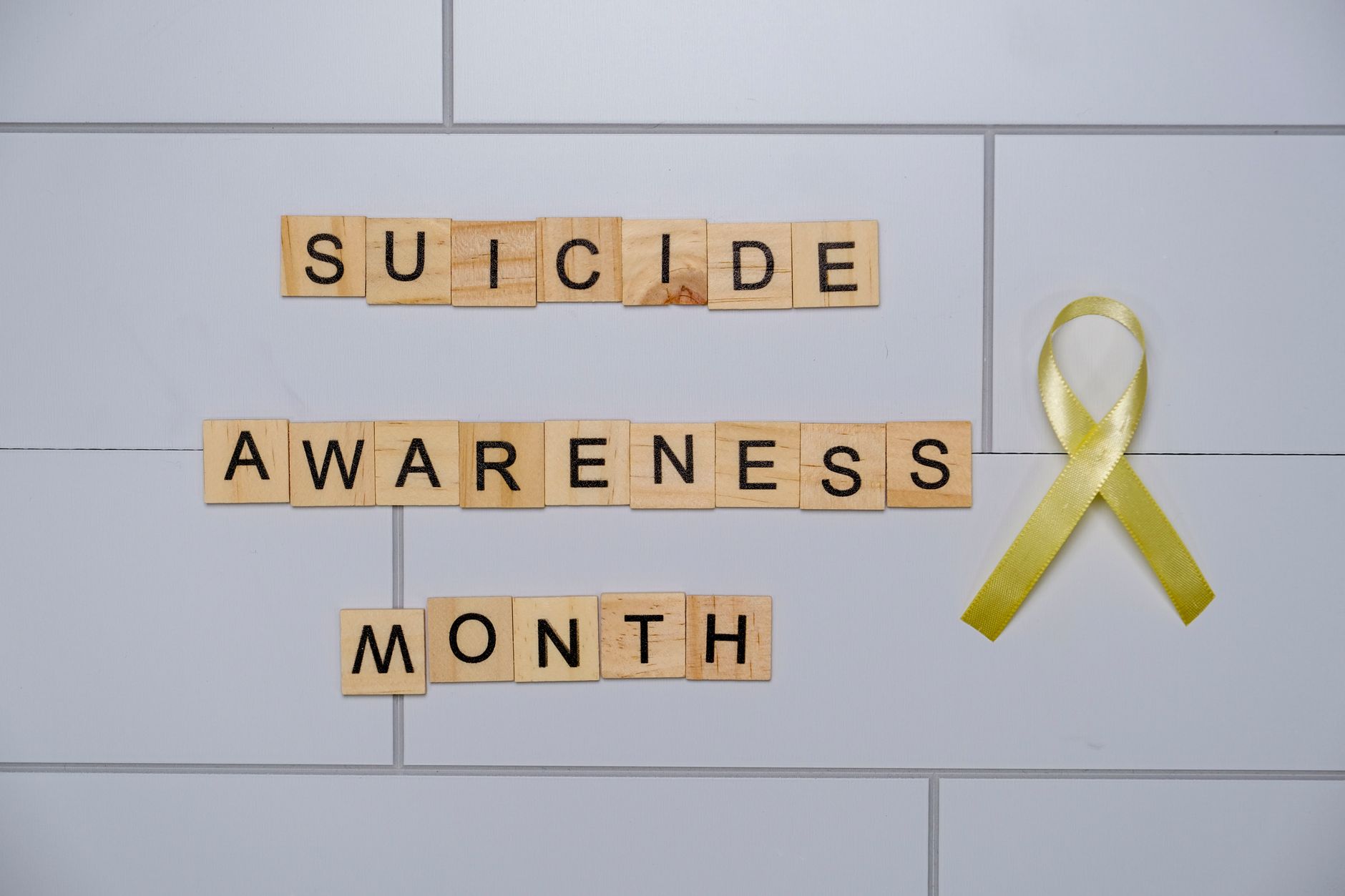
Every year, on March 30th, the world observes World Bipolar Day. This day is dedicated to raising awareness about bipolar disorder, a complex mental health condition, and to fostering greater understanding and acceptance. It's a chance to shed light on the experiences of those living with bipolar disorder, reduce the stigma associated with mental illness, and encourage open conversations. This year, let's explore what bipolar disorder is, why awareness matters, and how each of us can contribute to a more supportive environment.
Bipolar disorder, formerly known as manic depression, is a mental health condition characterized by significant mood swings. These swings can range from extreme highs (mania or hypomania) to extreme lows (depression). The intensity and duration of these mood episodes vary greatly from person to person. It’s not just about feeling happy one day and sad the next; these mood states can be profound and significantly impact a person's ability to function in daily life.
During a manic episode, individuals might experience:
Depressive episodes in bipolar disorder can involve:
It’s important to remember that not everyone experiences both mania and depression in the same way. There are different types of bipolar disorder, including Bipolar I, Bipolar II, and cyclothymic disorder, each with its own unique pattern of mood episodes.
World Bipolar Day, celebrated on March 30th, is Vincent van Gogh's birthday. The renowned artist is believed to have lived with bipolar disorder, making his birthday a poignant symbol for raising awareness. This day, initiated by organizations like the International Society for Bipolar Disorders (ISBD), aims to:
Participating in World Bipolar Day is a powerful way to contribute to a more informed and compassionate society. Here are practical ways you can get involved:
Knowledge is the first step towards understanding. Learn about the signs, symptoms, and realities of bipolar disorder. Share accurate information with your network. You can:
The black-and-white striped ribbon is a symbol of bipolar disorder awareness, representing the highs and lows of mood episodes. A green ribbon is also used internationally for mental health awareness. Wearing either ribbon can serve as a conversation starter.
Many organizations host events to mark World Bipolar Day. These events offer valuable insights and opportunities for connection.
Financial contributions and volunteer time can make a significant difference in the lives of those affected by bipolar disorder.
For those living with bipolar disorder, sharing personal experiences can be empowering and help others feel less alone. World Bipolar Day can be a safe space for such sharing.
Imagine Priya, who has been feeling increasingly withdrawn and low for weeks. Her energy levels are depleted, and she finds it hard to concentrate on her work. She mentions this to her close friend, Rohan, who, remembering World Bipolar Day and its message of awareness, gently suggests that Priya might benefit from talking to a doctor. Rohan doesn't diagnose but encourages her to seek professional advice, highlighting that there's support available.
If you or someone you know experiences persistent mood swings, significant changes in energy levels, or difficulties in daily functioning, it's essential to consult a healthcare professional. Early intervention can significantly improve outcomes.
Bipolar disorder is a manageable condition. With the right treatment, support, and lifestyle choices, individuals can lead stable and fulfilling lives.
World Bipolar Day is more than just a date on the calendar; it's a global movement towards greater understanding, compassion, and support for mental health. By educating ourselves, speaking openly, and offering our support, we can collectively make a significant difference in the lives of those affected by bipolar disorder.
Visit Hospital
Near You
Discover how to choose the ideal nursing home in Kishanganj for your loved ones. Expert advice and key considerations.
May 19, 2026
Find the best pregnancy doctors in Dehri for safe and healthy childbirth. Expert advice, prenatal care, and support for your journey.
May 18, 2026
Find top Gynecologists and Maternity Hospitals in Gaya. Get expert care for women's health and childbirth. Book appointments easily.
May 18, 2026