

Emergency & Help
24/7 Emergency & General Advisory
🚨 24/7 Medical Emergency
Non-Emergency Advisory
10:00 AM – 6:00 PM, Mon–Sat
For appointments & general queries.
24/7 Emergency & General Advisory
🚨 24/7 Medical Emergency
Non-Emergency Advisory
10:00 AM – 6:00 PM, Mon–Sat
For appointments & general queries.
Understand ADHD: Is it a mental illness or disorder? Explore symptoms, diagnosis, treatment, and management strategies for ADHD in India.
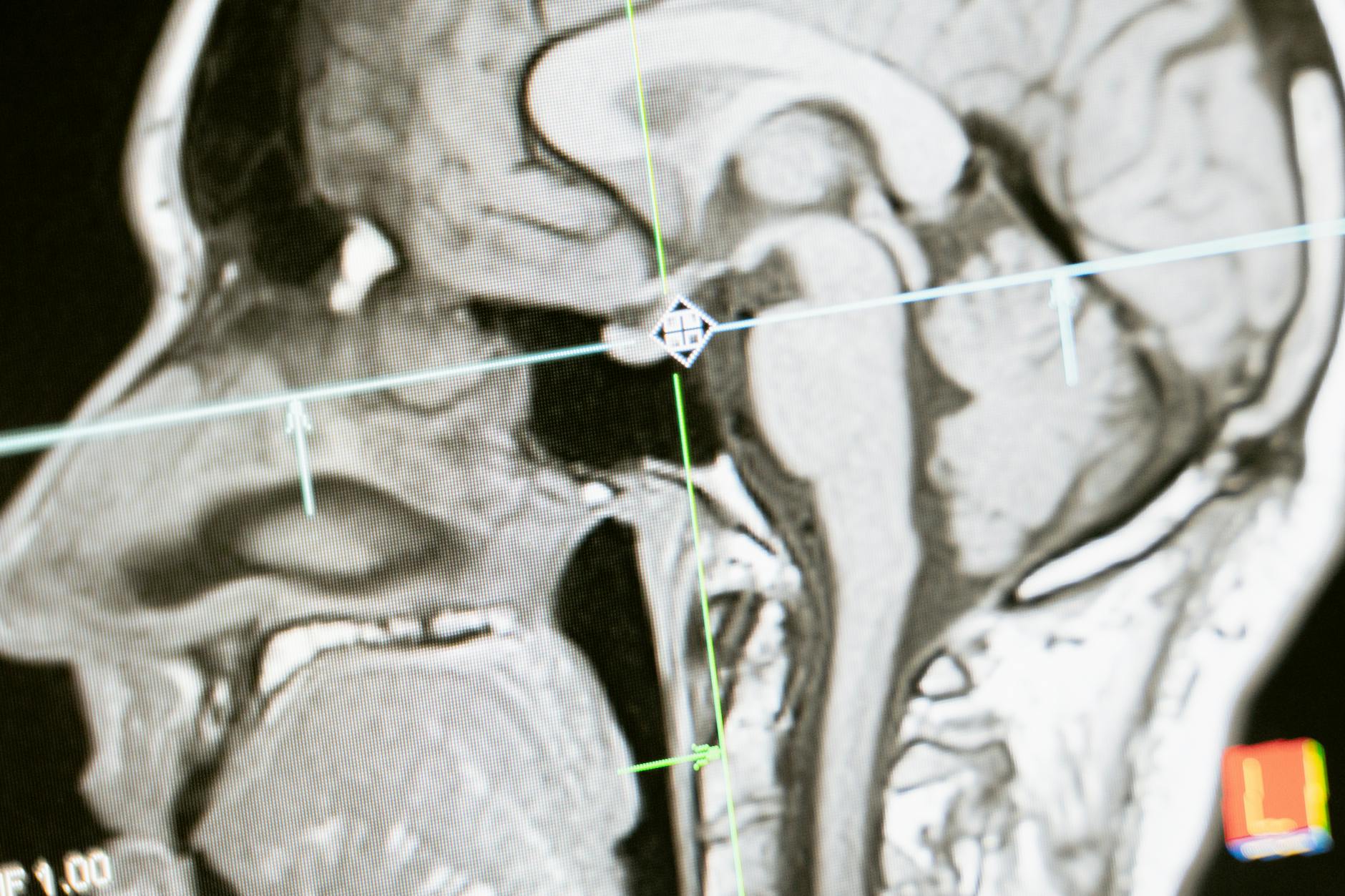
Attention Deficit Hyperactivity Disorder, or ADHD, is a condition that affects millions. You might hear it called a mental illness, a mental disorder, or simply a condition. But what does that really mean? Let's clear the air and understand ADHD in a way that makes sense, especially here in India. We'll explore what it is, how it shows up, and why the words we use matter.
At its core, ADHD is a common mental health condition. Think of it as a persistent pattern of inattention or hyperactivity-impulsivity that can really get in the way of how someone functions or develops. It's not about being lazy or not trying hard enough. It’s a neurological difference that impacts how the brain works, affecting focus, impulse control, and activity levels.
This is where things can get a bit confusing, and the terms are often used interchangeably. The American Psychiatric Association defines mental illnesses as treatable health conditions involving significant changes in emotion, thinking, or behavior. These conditions often bring distress and can affect our social lives, work, and relationships.
Technically, ADHD fits this definition. It involves changes in thinking and behavior. However, it's very commonly referred to as a disorder, even by the same organizations that define mental illness. Why the shift?
The category of "mental illness" is quite broad. Some people prefer using the term "disorder" to reduce any potential stigma associated with the word "illness." It’s important to remember: there is absolutely nothing shameful about having a mental illness, a mental disorder, or ADHD. These are health conditions, not character flaws.
The National Alliance on Mental Illness (NAMI) themselves use "mental illness," "mental disorder," and "mental health condition" pretty much interchangeably. For all practical purposes, in clinical settings, there’s often no significant difference in how these terms are applied to ADHD. The key takeaway is that these are recognized health conditions requiring understanding and support.
ADHD symptoms can vary a lot from person to person, and they can change as you get older. But generally, they fall into two main categories: inattention and hyperactivity-impulsivity.
For a diagnosis of ADHD, these symptoms must have been present for at least six months and must be persistent, interfering with functioning in at least two settings (like home, school, or work) and causing significant impairment.
Yes! ADHD is often described as having three main presentations, based on the predominant symptoms:
It's interesting to note that ADHD can present differently in boys and girls. While boys are diagnosed with ADHD more often than girls, this doesn't mean girls have it less. It might be that girls' symptoms are often less disruptive, leading to them being overlooked.
This difference in presentation can lead to underdiagnosis in girls. It’s vital to recognize that ADHD affects people of all genders.
Diagnosing ADHD involves a thorough evaluation. Doctors and mental health professionals will look at your history and symptoms. They often use the criteria laid out in the Diagnostic and Statistical Manual of Mental Disorders (DSM-5). This involves:
A professional might gather information from parents, teachers, or partners, and conduct interviews and rating scales.
Managing ADHD typically involves a multi-faceted approach. The goal is to help individuals manage their symptoms effectively and improve their quality of life.
Stimulant medications are often the first line of treatment. They can help improve focus and reduce impulsive behavior. Non-stimulant medications are also available. It's essential to work with a doctor to find the right medication and dosage, as side effects can occur.
Therapy plays a huge role. Cognitive Behavioral Therapy (CBT) can help individuals develop coping strategies for managing symptoms. Parent training programs are beneficial for children, teaching parents how to support their child's needs. Social skills training can also help improve interactions with others.
Simple changes can make a big difference:
If you suspect you or someone you know might have ADHD, don't hesitate to reach out. Persistent difficulties with attention, hyperactivity, or impulsivity that interfere with daily life are strong indicators. Consulting a doctor or a mental health professional is the first step toward getting an accurate diagnosis and the right support.
ADHD is a complex condition, and understanding the terminology is part of that. Whether you call it a mental illness, a disorder, or a condition, the most important thing is recognizing it as a legitimate health issue. It’s not a sign of weakness, and with the right strategies and support, individuals with ADHD can lead full, productive lives. Let's approach ADHD with empathy, knowledge, and a commitment to helping those affected thrive.
Visit Hospital
Near You

Could your daily coffee habit be protecting your brain? A massive 2026 study following more than 130,000 people for up to 43 years found that people who drank the most caffeinated coffee had an 18% lower risk of dementia. This piece breaks down what the study actually found, why decaf didn't show th
July 23, 2026
Seeking a migraine specialist in Uluberia? Discover where to find expert diagnosis and treatment for severe headaches. Get relief now.
May 20, 2026
Seeking a male fertility doctor in Jalpaiguri? Discover expert insights on male infertility, treatments, and how to find the right specialist.
May 20, 2026