

Emergency & Help
24/7 Emergency & General Advisory
🚨 24/7 Medical Emergency
Non-Emergency Advisory
10:00 AM – 6:00 PM, Mon–Sat
For appointments & general queries.
24/7 Emergency & General Advisory
🚨 24/7 Medical Emergency
Non-Emergency Advisory
10:00 AM – 6:00 PM, Mon–Sat
For appointments & general queries.
Discover practical meditation techniques to help manage ADHD symptoms like inattention and restlessness. Learn how to find calm and focus with simple, effective tips.
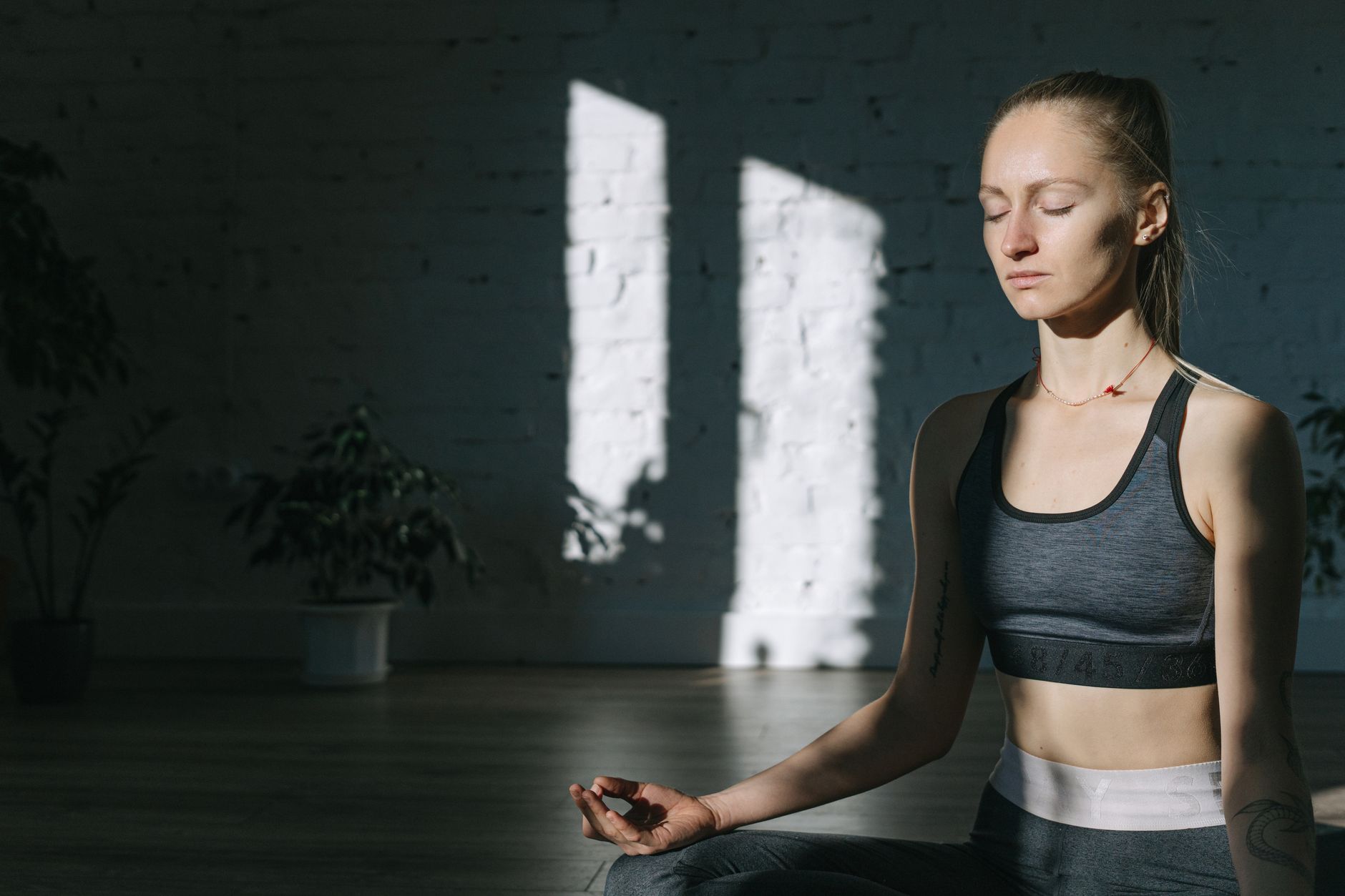
Navigating life with Attention Deficit Hyperactivity Disorder (ADHD) can feel like trying to steer a ship through a storm. The constant buzz of thoughts, the struggle to focus, and the impulsivity can make everyday tasks feel overwhelming. You might be wondering, "Can meditation really help me, or my child, with ADHD?" The answer is a resounding yes! While it might seem counterintuitive to sit still when your mind is racing, research shows that meditation, particularly mindfulness-based practices, can be a powerful tool to manage ADHD symptoms. This isn't about eradicating your thoughts; it's about learning to observe them without judgment and gently guide your attention back. Think of it as training your brain, much like you'd train your body at the gym. It takes practice, patience, and the right approach, but the rewards can be significant.
Numerous studies highlight the benefits of meditation for individuals with ADHD. A comprehensive review in 2019, analyzing 13 studies with over 750 adults, found that mindfulness interventions, including meditation, effectively reduced behaviors associated with ADHD. More recently, small but promising studies have emerged. In 2020, a study involving 25 children with ADHD revealed that mindfulness meditation improved executive functions and reduced behavioral symptoms. The same year, another small study with 25 children with ADHD found that mindfulness meditation even helped improve sleep quality. A 2023 review of studies confirmed that mindfulness-based practices lead to improvements in various areas, and a 2024 study involving six women with ADHD indicated that meditation positively impacted their experiences.
What does this mean for you? It means that while meditation isn't a cure, it can be a valuable complement to conventional ADHD treatments like medication and behavioral therapy. It offers a way to build resilience, improve focus, and cultivate a sense of inner peace amidst the challenges of ADHD.
The idea of starting a meditation practice when your mind feels like a runaway train can be daunting. But remember, the goal isn't an empty mind. It's about acknowledging your thoughts and gently redirecting your focus. Here are some practical tips to make meditation accessible and effective for you or your child:
Consistency is key. Try to meditate around the same time each day. For some, mornings work best to set a calm tone for the day. Others find that meditating before bed helps quiet their minds for sleep. Experiment to find what fits your routine. Equally important is creating a quiet space free from distractions. Turn off your phone, close the door, and let others know you need a few uninterrupted minutes. Even a busy city environment can become a sanctuary with practice, especially if you learn to focus on your breath.
Forget the rigid lotus pose if it's not for you! The most effective meditation posture is one that allows you to remain comfortable and alert. You can sit in a chair with your feet flat on the floor, lie down on a mat or your bed, or even sit cross-legged if that feels natural. The key is to find a position you can maintain without fidgeting excessively. Pay attention to your clothing too; wear something loose and comfortable that doesn't pinch or itch. Remember, discomfort can be a major distraction.
Your breath is your anchor to the present moment. Start by simply noticing your natural breathing pattern. Feel the sensation of the air entering and leaving your body. When your mind inevitably wanders (and it will!), gently guide your attention back to your breath. You can try counting your breaths: inhale for a count of 8, exhale for a count of 8, and repeat this five times. This structured approach can be very helpful for individuals with ADHD.
It's perfectly normal for thoughts to pop up during meditation. The goal isn't to stop thinking, but to notice when your mind has drifted and to bring it back to your breath without self-criticism. Think of your thoughts like clouds passing in the sky; you see them, acknowledge them, and let them drift by. This practice of non-judgment is a core aspect of mindfulness and can be incredibly liberating.
Don't aim for 30-minute sessions right away. Begin with just 1-5 minutes. Even a minute of focused breathing can make a difference. As you become more comfortable, you can gradually increase the duration. Celebrate small victories! The benefits of meditation accumulate over time. Be patient with yourself; it's a skill that develops with consistent effort.
For many with ADHD, guided meditations can be incredibly helpful. An instructor's voice can provide a gentle structure and keep you engaged. Numerous apps and online resources offer guided meditations specifically designed for focus, stress reduction, and sleep. These can be a great starting point and offer variety to keep your practice fresh.
If sitting still feels impossible, try incorporating mindful movement into your practice. This could be as simple as walking meditation, where you focus on the sensation of your feet touching the ground, the rhythm of your steps, and your surroundings. Even doing chores like washing dishes or folding laundry with full attention to the sensations involved can be a form of meditation.
During meditation, take a moment to scan your body. Notice any areas of tension and consciously try to relax them. Pay attention to how your body feels as you breathe. This body awareness can help ground you in the present moment and reduce physical restlessness.
Meditation is a wonderful complementary practice, but it's not a substitute for professional medical advice or treatment. If you or your child have been diagnosed with ADHD, continue to follow your doctor's prescribed treatment plan, which may include medication and behavioral therapy. If you are considering adding meditation to your regimen, or if you have concerns about your ADHD symptoms, it's always best to discuss this with your healthcare provider. They can offer personalized guidance and ensure that your approach to managing ADHD is comprehensive and safe.
No, meditation is not a cure for ADHD. However, research suggests it can significantly help manage and improve many symptoms associated with ADHD, such as inattention, impulsivity, and restlessness.
Start with short sessions, even just 1-5 minutes per day. Consistency is more important than duration initially. As you get comfortable, you can gradually increase the time.
This is completely normal, especially for individuals with ADHD. The goal isn't to have an empty mind, but to notice when your mind wanders and gently bring your focus back to your breath or the guided instruction without judgment.
Mindfulness-based meditation, which focuses on breath awareness and non-judgmental observation of thoughts, is often recommended. Guided meditations and mindful movement can also be very effective.
Embracing meditation for ADHD is a journey, not a destination. With patience and consistent practice, you can learn to find moments of calm and clarity, making daily life more manageable and enjoyable. Give it a try!
Visit Hospital
Near You

Could your daily coffee habit be protecting your brain? A massive 2026 study following more than 130,000 people for up to 43 years found that people who drank the most caffeinated coffee had an 18% lower risk of dementia. This piece breaks down what the study actually found, why decaf didn't show th
July 23, 2026
Seeking a migraine specialist in Uluberia? Discover where to find expert diagnosis and treatment for severe headaches. Get relief now.
May 20, 2026
Seeking a male fertility doctor in Jalpaiguri? Discover expert insights on male infertility, treatments, and how to find the right specialist.
May 20, 2026