

Emergency & Help
24/7 Emergency & General Advisory
🚨 24/7 Medical Emergency
Non-Emergency Advisory
10:00 AM – 6:00 PM, Mon–Sat
For appointments & general queries.
24/7 Emergency & General Advisory
🚨 24/7 Medical Emergency
Non-Emergency Advisory
10:00 AM – 6:00 PM, Mon–Sat
For appointments & general queries.
Stay updated with our latest healthcare news and your appointments.
Understanding ADHD: A personal journey and medical overview of Attention Deficit Hyperactivity Disorder, including types, symptoms, diagnosis, and management strategies.
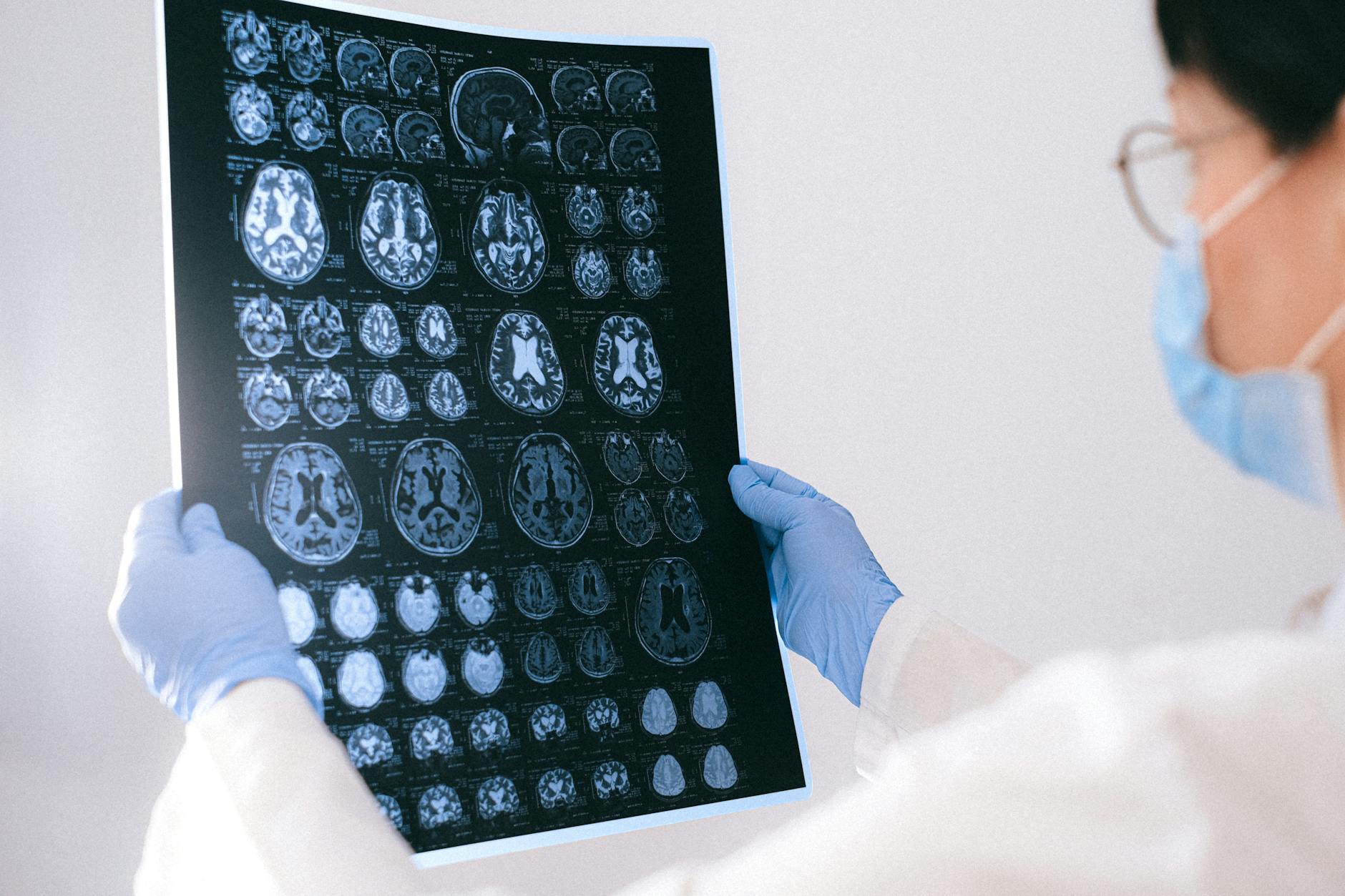
Attention Deficit Hyperactivity Disorder (ADHD) is a neurodevelopmental disorder that affects millions worldwide. While it has always been a part of my life, receiving a diagnosis at 28 was a turning point, allowing me to understand and manage its impact on my daily existence. This blog post delves into what ADHD is, its various forms, common symptoms, and the importance of seeking professional help and effective management strategies. It's crucial to remember that while ADHD presents challenges, it doesn't define an individual entirely.
ADHD is a mental health condition characterized by persistent patterns of inattention and/or hyperactivity-impulsivity that interfere with functioning or development. It's not simply being easily distracted or fidgety; it's a complex neurological condition that impacts how individuals process information, regulate emotions, and manage daily tasks. According to the American Psychiatric Association, ADHD affects approximately 8.4 percent of children and 2.5 percent of adults. While often associated with childhood, it's a condition that can persist into adulthood, significantly influencing various aspects of life, from work and relationships to self-perception.
ADHD is not a one-size-fits-all condition. It manifests in three primary types, each with distinct characteristics:
It's important to note that the presentation of ADHD can change over time, and an individual might shift from one presentation to another.
The symptoms of ADHD can vary greatly from person to person and can manifest differently in children and adults. Based on personal experience and clinical understanding, some common symptoms include:
Other common experiences include sensitivity to sounds and stimuli, repeating oneself because of forgetting they've already spoken, and a tendency to procrastinate until the last possible moment.
Historically, ADHD has been considered more prevalent in boys and men. However, many therapists and advocates believe that ADHD is significantly underdiagnosed in women and gender non-conforming (GNC) individuals. This is partly due to societal expectations and how symptoms may present differently. Women may internalize symptoms, leading to anxiety and depression, or their symptoms might be dismissed as typical female emotionality or disorganization. There is a critical need for more research to understand how ADHD presents across diverse genders and to ensure equitable diagnosis and treatment.
Diagnosing ADHD typically involves a comprehensive evaluation by a qualified healthcare professional, such as a psychiatrist, psychologist, or pediatrician. This process usually includes:
It's important to distinguish ADHD from other conditions that may share similar symptoms, such as anxiety, depression, learning disabilities, or thyroid problems. Self-diagnosis or diagnosis based solely on online quizzes is not recommended.
Living with ADHD can be challenging, but effective management and treatment strategies can significantly improve quality of life. The most common approaches include:
A combination of these approaches often yields the best results, tailored to the individual's specific needs and circumstances.
If you suspect you or someone you know might have ADHD, it's essential to seek professional guidance. Consulting a doctor or mental health professional is the first step toward getting an accurate diagnosis and developing an effective treatment plan. Don't hesitate to reach out if you experience persistent difficulties with attention, hyperactivity, or impulsivity that interfere with your daily life, work, or relationships. Early intervention and appropriate support can make a profound difference.
Receiving an ADHD diagnosis can be a relief, offering an explanation for lifelong struggles. However, it's vital to remember that ADHD is just one aspect of an individual's identity. It influences how a person experiences the world, but it doesn't diminish their strengths, creativity, or potential. Embracing strategies for management while celebrating unique qualities is key to living a fulfilling life with ADHD.
Visit Hospital
Near You

Could your daily coffee habit be protecting your brain? A massive 2026 study following more than 130,000 people for up to 43 years found that people who drank the most caffeinated coffee had an 18% lower risk of dementia. This piece breaks down what the study actually found, why decaf didn't show th
July 23, 2026
Seeking a migraine specialist in Uluberia? Discover where to find expert diagnosis and treatment for severe headaches. Get relief now.
May 20, 2026
Seeking a male fertility doctor in Jalpaiguri? Discover expert insights on male infertility, treatments, and how to find the right specialist.
May 20, 2026