

Emergency & Help
24/7 Emergency & General Advisory
🚨 24/7 Medical Emergency
Non-Emergency Advisory
10:00 AM – 6:00 PM, Mon–Sat
For appointments & general queries.
24/7 Emergency & General Advisory
🚨 24/7 Medical Emergency
Non-Emergency Advisory
10:00 AM – 6:00 PM, Mon–Sat
For appointments & general queries.
Stay updated with our latest healthcare news and your appointments.
Ageism is bias based on age, affecting both young and old. Discover its forms, impact on work and health, and how to combat it with practical strategies.
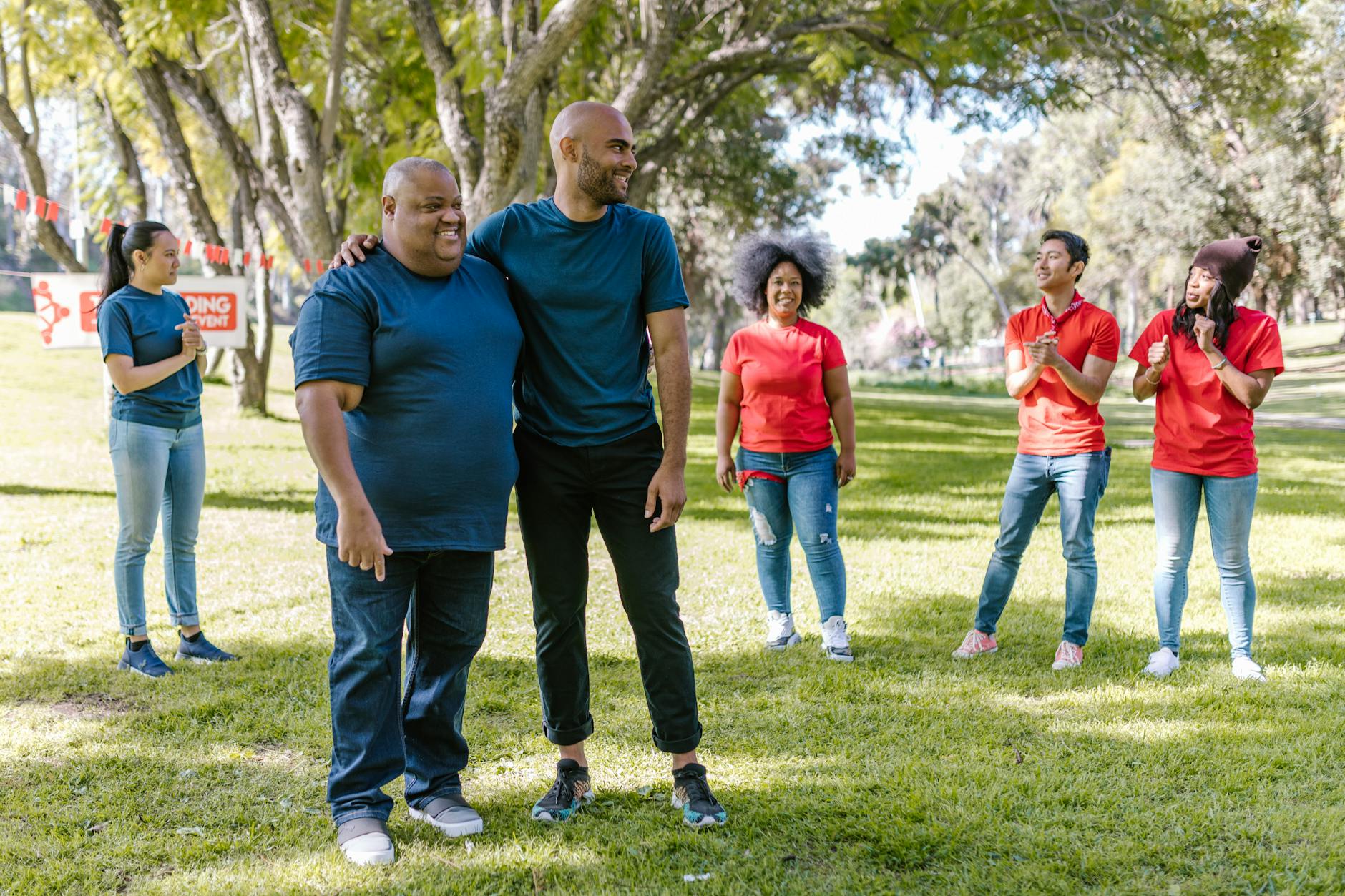
Ageism, a term that might sound like it only applies to older folks, actually describes prejudice or discrimination based on a person's age. Think of it as a bias that can target both the young and the old. It’s like a set of preconceived notions or unfair judgments we make about people simply because of how old (or young!) they are. This isn't just about how we feel; it can manifest as stereotypes, negative feelings like pity or irritation, and even outright discrimination in the form of harmful actions or exclusion.
While we often associate ageism with negative views of older adults – perhaps seeing them as frail, technologically challenged, or stuck in their ways – it’s important to remember that younger individuals can also face age-based discrimination. Ever heard of a company underpaying a fresh graduate because they offer 'exposure'? That’s a form of ageism, sometimes called 'reverse ageism'. Even though children and teens may have less life experience or fewer developed skills than adults, they absolutely deserve to be treated with fairness and respect.
The reality is, the definition of 'old' or 'young' is quite fluid. Someone who seems 'old' to a teenager might be considered sprightly and youthful by someone much older. This subjectivity means ageism can creep into our lives at various points, impacting how we perceive ourselves and how others treat us.
Ageism isn't confined to a single area; it weaves its way through many aspects of our society. Let's look at some common places where it pops up:
The professional world is a prime example. Surveys reveal a staggering number of individuals aged 45 and above have encountered ageism at work. What does this look like?
The consequences of this career disruption can be severe. It doesn't just affect finances; it chips away at emotional and physical well-being. For those over 50, involuntary job loss can lead to significant financial insecurity, making it tough to manage daily expenses and plan for the future.
Even in healthcare settings, age bias can unfortunately play a role. Research suggests that older adults might be more likely to face certain challenges:
This bias in healthcare can lead to poorer health outcomes and a lower quality of life for older individuals.
What we see and hear in popular media significantly influences our views. Often, older adults are stereotyped as being out of touch with technology, resistant to change, or generally less capable. These portrayals, while seemingly harmless, contribute to a broader societal prejudice that can affect how we interact with and perceive older people.
The constant barrage of ageist messages and experiences can take a toll. Believing that certain health issues, like chronic pain, cognitive decline, or depression, are just an inevitable part of getting older can be incredibly damaging. If you think there's no point in staying active or eating well because 'that's just how it is when you're old', you might avoid seeking necessary medical treatment or neglect your own health. This self-fulfilling prophecy can lead to a decline in both physical and mental well-being.
Ageism isn't a single entity; it often presents in three main ways:
The roots of ageism are complex and multifaceted. They often stem from:
Combating ageism requires conscious effort from individuals and society as a whole. Here are some practical strategies:
Start by looking inward. Are there assumptions you make about people based on their age? Make an effort to:
Support and advocate for media and advertising that portrays people of all ages in realistic, respectful, and diverse ways. Highlight the contributions, skills, and vitality of older adults.
In the workplace and beyond, push for policies that prevent age discrimination in hiring, promotions, and training. Ensure that healthcare practices are free from age bias and that older adults are included in research.
Learn more about the impact of ageism and share this knowledge. Open conversations about age bias can help raise awareness and encourage change.
Encourage a mindset that values continuous learning and personal development at every stage of life. This counteracts the idea that capabilities diminish with age.
Actively seek opportunities for meaningful interaction between different age groups. This could be through community programs, mentoring initiatives, or simply fostering stronger family ties.
If you or someone you know is experiencing significant distress, anxiety, or depression due to ageism, or if age discrimination is impacting your livelihood or health, it's important to seek support. This might involve:
Remember, age is just a number, and everyone deserves to be treated with dignity and respect, regardless of how many years they've lived.
Visit Hospital
Near You

Could your daily coffee habit be protecting your brain? A massive 2026 study following more than 130,000 people for up to 43 years found that people who drank the most caffeinated coffee had an 18% lower risk of dementia. This piece breaks down what the study actually found, why decaf didn't show th
July 23, 2026
Seeking a migraine specialist in Uluberia? Discover where to find expert diagnosis and treatment for severe headaches. Get relief now.
May 20, 2026
Seeking a male fertility doctor in Jalpaiguri? Discover expert insights on male infertility, treatments, and how to find the right specialist.
May 20, 2026