

Emergency & Help
24/7 Emergency & General Advisory
🚨 24/7 Medical Emergency
Non-Emergency Advisory
10:00 AM – 6:00 PM, Mon–Sat
For appointments & general queries.
24/7 Emergency & General Advisory
🚨 24/7 Medical Emergency
Non-Emergency Advisory
10:00 AM – 6:00 PM, Mon–Sat
For appointments & general queries.
Stay updated with our latest healthcare news and your appointments.
Explore the meaning of 'queer' and understand if this identity resonates with you. Learn about its history, reclamation, and how to embrace your authentic self, regardless of labels.
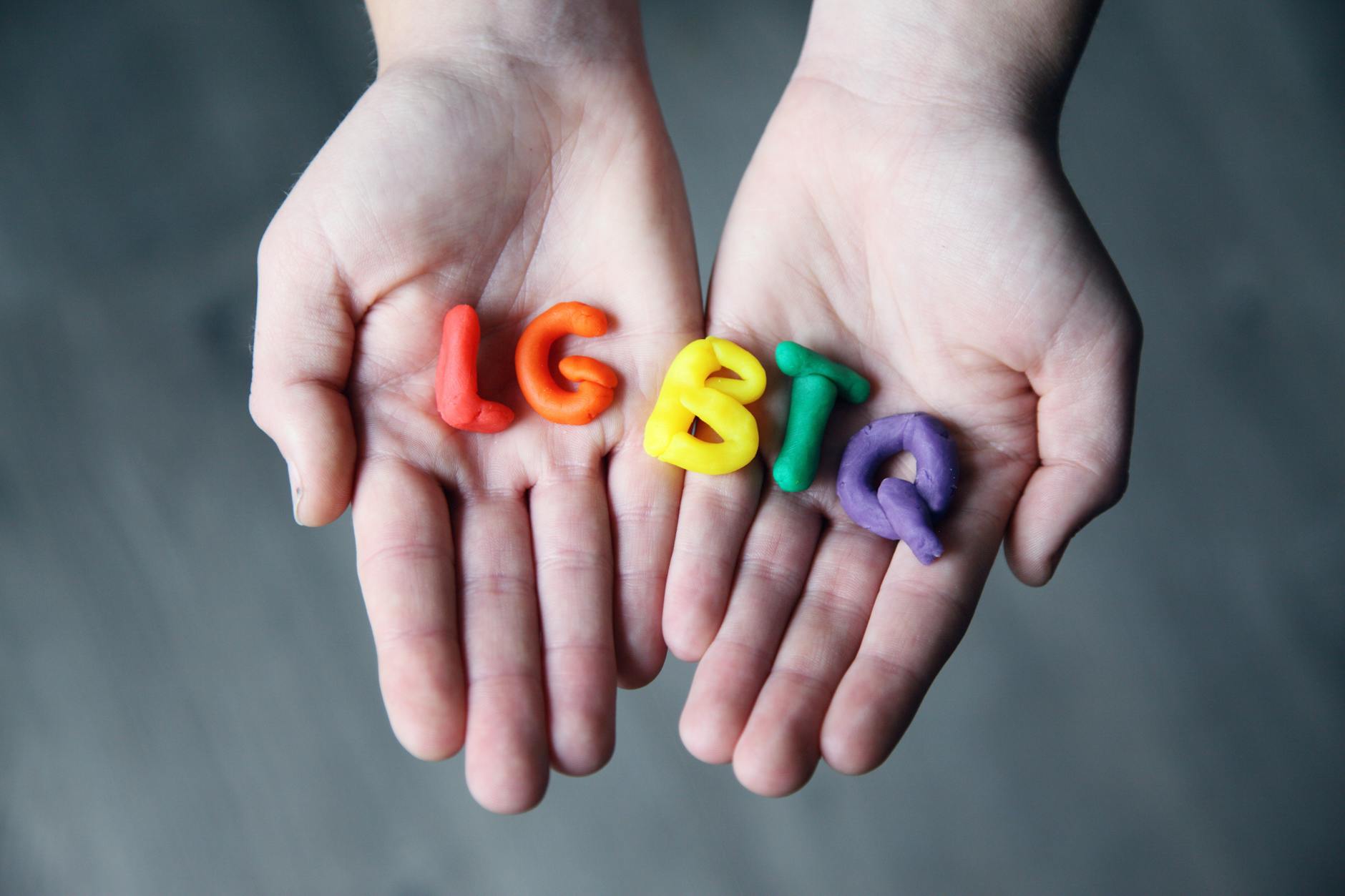
Have you ever found yourself pondering the question, "Am I queer?" Or perhaps, "Am I queer enough?" It's a deeply personal journey, and if you're asking, you're certainly not alone. This exploration into identity is a significant one, and the simple, liberating truth is: yes, you are queer enough. The label you choose, or the lack thereof, is entirely yours to define. This guide is crafted for anyone navigating these very thoughts, offering clarity and comfort as you embrace your authentic self. We'll delve into the meaning of "queer," its historical context, and how it serves as a powerful identifier for many today. Remember, your sense of self is the ultimate determinant, not external validation, relationship history, or sexual experiences.
At its core, "queer" is often used as an umbrella term that signifies a departure from societal norms. What are these norms? Generally, they refer to being cisgender (identifying with the gender assigned at birth), heterosexual (attracted to the opposite gender), and allosexual (experiencing sexual attraction). If you find yourself anywhere outside these traditional definitions, even in the slightest way, you may identify as queer. It's a fluid and encompassing identity that allows for a broad spectrum of experiences and self-understandings.
Some individuals might exclusively use "queer" to describe themselves, finding it to be the most fitting term for their identity. Others might layer "queer" alongside another identity. For instance, someone might be a queer bisexual dyke, a queer trans man, or a queer biromantic asexual. This layering highlights the multifaceted nature of identity and the flexibility of the term "queer." It acknowledges that identities are not always simple or singular.
The journey of the word "queer" is complex and carries significant historical weight. Initially, dating back to the 18th century, the term was used pejoratively, slung at individuals perceived as "homosexual" or engaging in "homosexual activity." It was also applied to those who didn't conform to the rigid societal expectations of masculinity and femininity. For a long time, "queer" was a slur, a weapon used to marginalize and demean.
However, the late 1980s and early 1990s marked a pivotal shift. In the face of immense adversity, particularly during the devastating AIDS epidemic, LGBTQ+ communities began to reclaim the word. Fueled by anger and a powerful need for self-definition, "queer" was transformed from a slur into a badge of honor, a rallying cry. It became a personal identifier – "I am queer" – and a subject of academic study – "queer theory." This reclamation was an act of defiance, a way to strip the word of its power to harm and imbue it with pride and political significance.
The chant "We're here, we're queer, we will not live in fear" became a powerful anthem, symbolizing resilience and solidarity. This historical context is vital. While many have embraced "queer" as a positive identity, it's important to acknowledge that for some, especially those who experienced its use as a slur directly, the word may still carry painful connotations. Therefore, it is paramount to never label someone as queer unless they self-identify with the term.
For a significant number of people, identifying as queer is inherently a political act. In a world that often enforces strict binaries and expectations, claiming the label "queer" can be a powerful statement of resistance. It signifies a rejection of cis-hetero patriarchal systems that attempt to confine individuals within narrow definitions of gender and sexuality.
Queerness, in this context, is about dismantling oppressive structures and advocating for the freedom of all individuals to express themselves authentically. It's about creating a world where everyone can live with dignity and without fear of discrimination. This commitment to disrupting systems of oppression is not exclusive to those who identify as queer. Allies, including straight and cisgender individuals, are equally encouraged and urged to participate in this vital activist work.
This is the question only you can answer. There's no single test or checklist. However, reflecting on your feelings and experiences can offer profound insights. Consider these questions:
Key takeaway: You don't need to have undergone a physical transition, adhere to specific gender expressions, or have a particular sexual history to claim the label "queer." It is fundamentally about your internal sense of self, not about outward appearances or behaviors.
The journey of understanding and embracing one's identity is ongoing. It's okay if your feelings evolve over time. The most important aspect is self-acceptance and self-definition. If "queer" feels right, use it. If another label resonates more, embrace that. If you prefer not to use labels at all, that is perfectly valid too.
The beauty of "queer" as an identity lies in its inclusivity and its challenge to rigid norms. It celebrates diversity and acknowledges that human experience is rich and varied. Your identity is your own, and you have the power to define it in a way that feels most authentic and empowering to you.
Absolutely! Your identity is about your sense of self, not solely defined by your relationship status or the gender of your partner. If you feel that "queer" accurately describes your identity, regardless of your current relationship, then you are queer.
While "queer" is often used as an umbrella term that can encompass many identities within the LGBTQ+ community, it's not exactly the same. "LGBTQ+" is an acronym that specifically refers to Lesbian, Gay, Bisexual, Transgender, Queer (or Questioning), and other identities. "Queer" can be a distinct identity in itself, or it can be used more broadly to refer to anyone who falls outside cisgender and heterosexual norms. Some people prefer "queer" because it's more fluid and less prescriptive than other labels, while others may prefer more specific labels within the LGBTQ+ acronym.
It's completely understandable to have complex feelings about the word "queer" given its history as a slur. The reclamation of the word by the LGBTQ+ community has been a powerful act, but it doesn't erase the pain associated with its past use. If you're struggling, focus on the current meaning and how it's used by those who identify with it today – as a term of empowerment, resistance, and self-definition. Educating yourself on its history and the context of its reclamation can also be helpful. Ultimately, if the word still causes you discomfort, you are not obligated to use it for yourself or to accept it from others without understanding its impact.
While identifying as queer often carries political undertones due to its history and its challenge to societal norms, it doesn't automatically obligate you to engage in specific political actions. Your identity is personal. However, many who identify as queer find that their sense of self naturally leads them to question and challenge systems of oppression. The "queer" identity can be a source of strength and solidarity, empowering individuals to advocate for themselves and others. But the level and form of political engagement are entirely up to you.
This section adds practical context and preventive advice to help readers make informed healthcare decisions. It is important to verify symptoms early, consult qualified doctors, and avoid self-medication for persistent health issues.
Maintaining healthy routines, following prescribed treatment plans, and attending regular checkups can improve outcomes. If symptoms worsen or red-flag signs appear, immediate medical evaluation is recommended.
Track symptoms and duration.
Follow diagnosis and treatment from a licensed practitioner.
Review medication side effects with your doctor.
Seek urgent care for severe warning signs.
Visit Hospital
Near You

Could your daily coffee habit be protecting your brain? A massive 2026 study following more than 130,000 people for up to 43 years found that people who drank the most caffeinated coffee had an 18% lower risk of dementia. This piece breaks down what the study actually found, why decaf didn't show th
July 23, 2026
Seeking a migraine specialist in Uluberia? Discover where to find expert diagnosis and treatment for severe headaches. Get relief now.
May 20, 2026
Seeking a male fertility doctor in Jalpaiguri? Discover expert insights on male infertility, treatments, and how to find the right specialist.
May 20, 2026