

Emergency & Help
24/7 Emergency & General Advisory
🚨 24/7 Medical Emergency
Non-Emergency Advisory
10:00 AM – 6:00 PM, Mon–Sat
For appointments & general queries.
24/7 Emergency & General Advisory
🚨 24/7 Medical Emergency
Non-Emergency Advisory
10:00 AM – 6:00 PM, Mon–Sat
For appointments & general queries.
Explore the world of intuitive empaths. Understand the signs, challenges, and essential self-care strategies for navigating heightened sensitivity and intuition. Learn to protect your energy and thrive.

Have you ever been told you're 'too sensitive'? Do people often say you need to 'toughen up' or 'develop thicker skin'? Perhaps you've always had a knack for knowing things before they happen, or you just seem to *know* how others are feeling, even when they haven't said a word. If this sounds familiar, you might be an intuitive empath. It's a concept that blends deep empathy with an uncanny instinct and perception, offering a unique way of experiencing the world. While not scientifically proven, many individuals identify with these traits and find value in understanding them. What Does It Mean to Be an Intuitive Empath? At its core, intuition is about knowing without conscious reasoning. Empathy is the ability to understand and share the feelings of another. An intuitive empath, according to some theories, combines these two powerful faculties. They don't just *feel* what others feel; they seem to *know* things on a deeper, instinctual level. This can manifest in various ways, from gut feelings about people or situations to a profound connection with nature and animals. It's important to acknowledge that the concept of 'intuitive empaths' as described by some is not supported by current scientific research. Some experts suggest that what is perceived as intuitive empathy might align more closely with heightened sympathy or intense emotionality. However, for those who identify with these experiences, understanding these traits can be empowering and lead to better self-care practices. The Nuances of Empathy: More Than Just Feeling Empathy itself is a complex human trait. It allows us to connect with others, build relationships, and foster understanding. But for empaths, this connection can be amplified. They might absorb the emotions around them like a sponge, sometimes to their own detriment. Imagine walking into a room and instantly feeling the tension or joy – that's a glimpse into the empathic experience. Dr. Judith Orloff, a psychiatrist and an intuitive empath herself, has written extensively on the subject. While her work is based on personal experience and observation rather than empirical studies, she outlines different types of empaths. This framework can help individuals pinpoint their unique sensitivities: Types of Empaths According to Orloff Physical Empaths: These individuals can pick up on physical sensations from others. They might experience others' pain or even take on their illnesses. It's like their bodies become a conduit for the physical well-being of those around them. Emotional Empaths: This is perhaps the most commonly understood type. Emotional empaths are highly attuned to the feelings of others. They can sense joy, sadness, anger, and fear in those nearby, often without a word being spoken. Intuitive Empaths: This is where the 'knowing' comes in. Intuitive empaths possess extraordinary perceptions. They might have psychic abilities, receive messages in dreams, communicate with animals or plants, and deeply trust their gut feelings and bodily signals. They use this heightened intuition to navigate life. Again, it bears repeating that these categorizations are observational and not scientifically validated. Yet, they offer a language for those who feel they experience the world differently. Traits of an Intuitive Empath If you suspect you might be an intuitive empath, certain characteristics might resonate with you. These aren't diagnostic criteria but rather common experiences shared by those who identify as such: Heightened Intuition: A strong 'gut feeling' or an innate sense of knowing about people and situations. You might often say, "I just knew it." Psychic Abilities: This can range from precognition (knowing what will happen) to telepathy (sensing thoughts) or receiving insights through dreams. Deep Perceptiveness: You notice subtle cues, body language, and emotional undercurrents that others miss. You can read a room with uncanny accuracy. Sensitivity to Environment: Overwhelmed by loud noises, strong smells, chaotic crowds, or intense emotional atmospheres. You might crave quiet and solitude to recharge. Connection with Nature and Animals: A profound sense of peace and understanding when in nature, and an ability to connect deeply with animals. Dream Insight: Vivid dreams that often contain symbolic messages or premonitions. Body Awareness: A strong connection to your own physical sensations, often interpreting them as signals or messages. Compassion Fatigue: Due to absorbing others' emotions, you might experience burnout or exhaustion. These traits can feel like a superpower, but they can also be incredibly draining if not managed. Potential Challenges for Intuitive Empaths Living with heightened sensitivity isn't always easy. The constant influx of information and emotions can be overwhelming. Here are some common challenges: Emotional Overload: Feeling the emotions of others can blur the lines between your feelings and theirs, leading to confusion and exhaustion. Difficulty Setting Boundaries: It can be hard to say no or protect your energy when you feel others' needs so intensely. Social Exhaustion: Large gatherings or emotionally charged environments can deplete your energy reserves quickly. You might need significant downtime afterward. Misunderstanding from Others: Being told you're 'too sensitive' or that your intuition is 'just a guess' can lead to self-doubt. Taking on Others' Problems: The urge to help can be so strong that you neglect your own needs and well-being. Self-Care for the Sensitive Soul Managing intuitive empathy is all about learning to navigate your sensitivity without becoming overwhelmed. Self-care isn't a luxury; it's a necessity. Here are some practical strategies: Grounding Techniques Grounding helps you connect with the present moment and your own physical body, anchoring you amidst emotional turbulence. Mindful Breathing: Focus on the sensation of your breath entering and leaving your body. Sensory Awareness: Pay attention to what you can see, hear, smell, taste, and touch in your immediate environment. Nature Immersion: Spend time outdoors, walk barefoot on grass, or simply sit under a tree. Physical Activity: Gentle exercise like walking, yoga, or stretching can help release pent-up energy. Boundary Setting Learning to protect your energy is vital. This doesn't mean being cold or uncaring; it means being discerning about how much of yourself you give and to whom. Learn to Say No: Politely decline requests that will drain you. Limit Exposure: If certain people or environments consistently overwhelm you, limit your time there. Create Personal Space: Designate a quiet, calming space in your home where you can retreat. Energy Shielding: Visualize a protective shield of light around yourself before entering a challenging environment. Emotional Regulation Develop tools to process and release the emotions you absorb. Journaling: Write down your thoughts and feelings to gain clarity. Meditation: Practices like the 'heart meditation' Dr. Orloff suggests – focusing on your heart and breathing while picturing something loving – can be very centering. Creative Expression: Engage in art, music, writing, or other creative outlets to process emotions. Mindfulness: Practice observing your thoughts and feelings without judgment. Nurturing Your Intuition Instead of fearing your intuition, learn to trust and cultivate it. Pay Attention to Dreams: Keep a dream journal and look for recurring themes or messages. Trust Your Gut: Acknowledge those initial feelings and insights, even if you can't logically explain them. Seek Knowledge: Read books, attend workshops, or connect with others who understand empathic experiences. When to Seek Professional Help While being an intuitive empath can be a rich experience, it can also lead to significant distress if unmanaged. If you find yourself consistently: Experiencing severe anxiety or depression Struggling with burnout and exhaustion Having difficulty maintaining relationships Feeling overwhelmed by sensory or emotional input Questioning your own reality It's wise to consult a mental health professional. Therapists, especially those experienced with highly sensitive people or trauma, can provide coping strategies and support. They can help you differentiate your emotions from others' and develop healthy boundaries. FAQs About Intuitive Empaths Is being an intuitive empath a medical condition? No, being an intuitive empath is not considered a medical condition or a mental disorder. It's a term used to describe a particular set of sensitivities and intuitive abilities, often discussed in self-help and spiritual contexts. While the experiences are real for many, they are not currently recognized or measured by scientific or medical standards. Can intuitive empathy be learned or developed? Some believe that while the innate capacity might vary, intuition and empathy can be cultivated through practice, mindfulness, and self-awareness. Focusing on emotional intelligence, active listening, and self-reflection can enhance these qualities. How can I tell if I'm an empath or just overly sensitive? The line can be blurry. Empathy often involves a deep understanding and mirroring of others' emotions. Intuitive empathy adds a layer of 'knowing' beyond just feeling. If you consistently absorb others' emotions, feel drained by social interactions, and have strong gut feelings about people, you might lean towards being an empath. Overly sensitive might describe a general reactivity to stimuli, whereas empathy is specifically about connecting with and understanding others' internal states. Are there any scientific studies on intuitive empaths? Currently, there is very limited scientific research directly validating the concept of 'intuitive empaths' as described in popular literature. While empathy and intuition are studied, the specific combination and perceived psychic elements of intuitive empathy fall outside mainstream scientific paradigms. Research often points to
In summary, timely diagnosis, evidence-based treatment, and prevention-focused care improve long-term health outcomes.
Visit Hospital
Near You
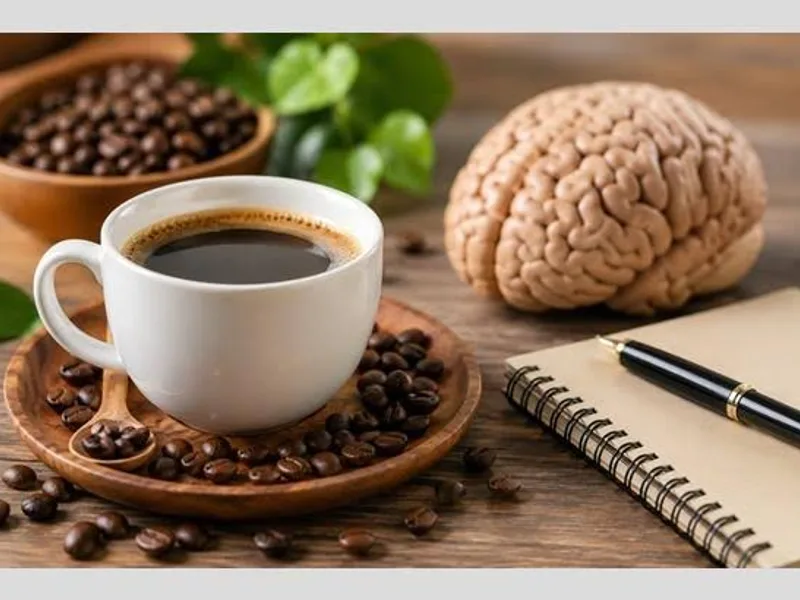
Could your daily coffee habit be protecting your brain? A massive 2026 study following more than 130,000 people for up to 43 years found that people who drank the most caffeinated coffee had an 18% lower risk of dementia. This piece breaks down what the study actually found, why decaf didn't show th
July 23, 2026
Seeking a migraine specialist in Uluberia? Discover where to find expert diagnosis and treatment for severe headaches. Get relief now.
May 20, 2026
Seeking a male fertility doctor in Jalpaiguri? Discover expert insights on male infertility, treatments, and how to find the right specialist.
May 20, 2026