

Emergency & Help
24/7 Emergency & General Advisory
🚨 24/7 Medical Emergency
Non-Emergency Advisory
10:00 AM – 6:00 PM, Mon–Sat
For appointments & general queries.
24/7 Emergency & General Advisory
🚨 24/7 Medical Emergency
Non-Emergency Advisory
10:00 AM – 6:00 PM, Mon–Sat
For appointments & general queries.
Stay updated with our latest healthcare news and your appointments.
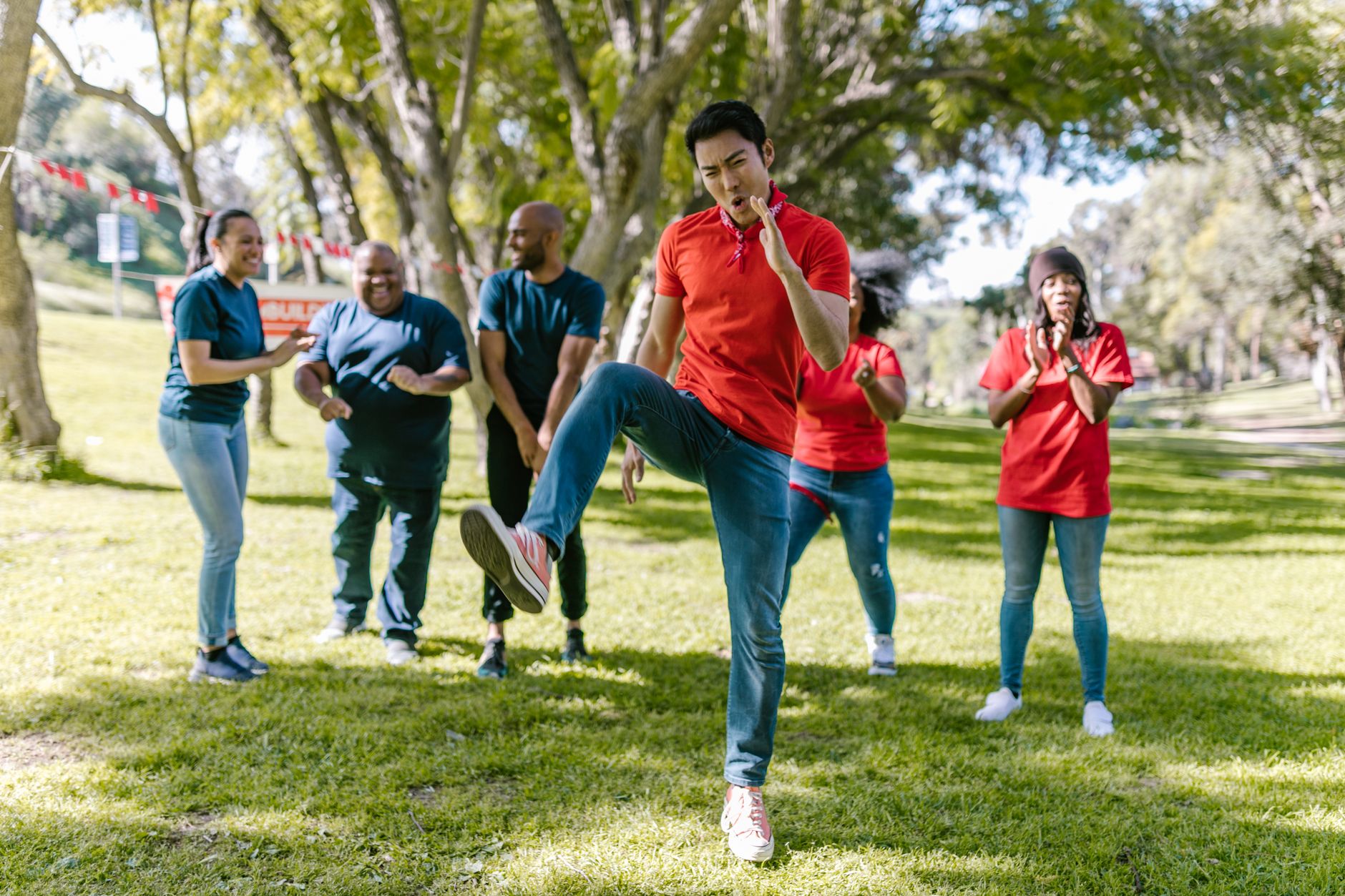
Discover how BEAM's Black Peer Support and Community Care Grants are empowering Black-led initiatives like Ballet After Dark and a specialized DBT group to foster mental wellness and healing within the Black community.
Understanding the Importance of Peer Support and Community Care for Black Mental Health The Black Emotional and Mental Health Collective (BEAM) has taken a significant step towards addressing the unique mental health challenges faced by the Black community by awarding three vital projects with grants. These grants are designed to support and expand the reach of community-facing initiatives that prioritize Black emotional and mental wellness. In a landscape where accessing sustainable and culturally competent mental healthcare can be a significant hurdle for Black individuals, BEAM's commitment to fostering healing justice is both timely and crucial. The Vision Behind BEAM's Grants BEAM operates on the foundational belief that healing is a birthright. However, they acknowledge the systemic barriers that often prevent Black individuals from accessing the mental health support they need and deserve. These barriers are multifaceted, stemming from historical trauma, ongoing experiences of racism, misogynoir (discrimination specific to Black women based on gender and race), economic inequity, disparities within the justice system, intimate partner violence, transphobia, homophobia, and other forms of discrimination. BEAM's approach, rooted in a healing justice framework, seeks to dismantle these barriers through comprehensive training, advocacy, and crucially, financial support for those dedicated to Black-focused healing work. The Black Peer Support and Community Care Grants, established in partnership with Healthline Media, are a direct manifestation of this commitment. These grants are specifically aimed at uplifting and resourcing Black-led peer support and community health projects. The primary focus is on initiatives that serve Black individuals experiencing distress or living with mental health conditions. The funding provided can be utilized for general operating support, enabling these projects to create, sustain, or expand their programming centered around Black wellness, healing, and social support. Who is Eligible for These Grants? The application process for these grants was open to a wide range of individuals and organizations within the health and healing sectors. This included: Black-led and focused individuals or small non-profits organizing wellness circles. Therapists or wellness facilitators looking to sustain or establish existing support groups. Organizations and individuals dedicated to providing culturally relevant mental health resources and support within the Black community. The selection process was rigorous, with BEAM receiving over 200 applications. The sheer volume and quality of the applications underscored the immense need for such initiatives and the incredible healing justice work being done across the country. After careful review and deliberation, BEAM selected three outstanding projects to receive $10,000 each to further their impactful work. Meet the Grant Recipients and Their Work 1. Ballet After Dark (BAD) Based in Baltimore, Maryland, Ballet After Dark (BAD) is a nonprofit organization founded by Tyde-Courtney Edwards, a classically trained ballet dancer and a survivor of violence herself. BAD provides a unique space of empowerment for Black women and girls who have experienced trauma, utilizing the transformative power of movement and dance therapy. Their mission is to help survivors "reprocess, rebuild, and reclaim their lives" after trauma, emphasizing that "community is the most impactful asset to healing and the greatest threat to an abuser." BAD employs holistic methods and somatic interventions, such as dance therapy, to develop innovative curriculums. Their goal is to cultivate a strong community of survivors through various programs. These include trauma-informed dance classes, mental health therapy, financial literacy workshops, self-defense training, and advocacy initiatives. As of this year, BAD's dance therapy cohort has successfully provided resources and support to over 400 youth and women in Baltimore City, demonstrating the tangible impact of their approach. 2. Dialectical Behavior Therapy (DBT) Skills Group for Black Women Led by experienced professionals Clerrisa Cooper, LPC, NDBT, and Winter Foddrell, LPC, of North Atlanta DBT, the second awardee is a specialized DBT Skills Group tailored specifically for Black women. Dialectical Behavioral Therapy (DBT) is a well-established therapeutic intervention, often utilized for individuals facing complex emotional and behavioral challenges, including personality disorders. It focuses on equipping individuals with essential coping mechanisms and life skills, aiming to foster greater self-awareness, emotional regulation, and overall life fulfillment. This particular group leverages the principles of DBT to address the unique stressors and experiences that Black women may encounter. By providing a safe and culturally sensitive space, the group aims to empower participants with practical tools to manage distress, improve interpersonal relationships, and enhance their emotional well-being. Cooper's work, as highlighted by her dedication to her clients, underscores the importance of specialized therapeutic approaches that acknowledge and address the specific needs of marginalized communities. The Broader Impact of Peer Support and Community Care The initiatives supported by BEAM's grants exemplify the power of peer support and community-based care. These models are particularly effective because they often arise from within the community itself, understanding its nuances, challenges, and strengths. Peer support offers a sense of shared experience and validation that can be incredibly healing, reducing feelings of isolation and stigma often associated with mental health struggles. Community care extends this by creating networks of support that are accessible, culturally relevant, and sustainable. By investing in Black-led organizations and projects, BEAM is not only providing financial assistance but also validating the importance of these efforts and contributing to a broader ecosystem of healing and wellness within the Black community. This approach recognizes that true well-being is often achieved through collective action, shared understanding, and culturally grounded practices. When to Seek Support While these grants highlight community-based solutions, it's important for individuals to recognize when professional support might be beneficial.
In summary, timely diagnosis, evidence-based treatment, and prevention-focused care improve long-term health outcomes.
Visit Hospital
Near You
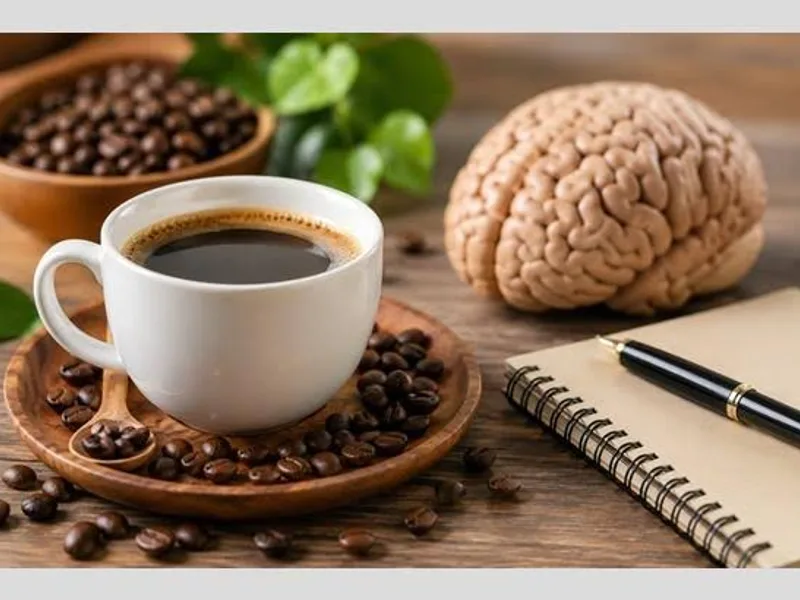
Could your daily coffee habit be protecting your brain? A massive 2026 study following more than 130,000 people for up to 43 years found that people who drank the most caffeinated coffee had an 18% lower risk of dementia. This piece breaks down what the study actually found, why decaf didn't show th
July 23, 2026
Seeking a migraine specialist in Uluberia? Discover where to find expert diagnosis and treatment for severe headaches. Get relief now.
May 20, 2026
Seeking a male fertility doctor in Jalpaiguri? Discover expert insights on male infertility, treatments, and how to find the right specialist.
May 20, 2026