

Emergency & Help
24/7 Emergency & General Advisory
🚨 24/7 Medical Emergency
Non-Emergency Advisory
10:00 AM – 6:00 PM, Mon–Sat
For appointments & general queries.
24/7 Emergency & General Advisory
🚨 24/7 Medical Emergency
Non-Emergency Advisory
10:00 AM – 6:00 PM, Mon–Sat
For appointments & general queries.
Stay updated with our latest healthcare news and your appointments.
Feeling overwhelmed by work stress? Discover practical tips and strategies to manage workplace anxiety, identify triggers, and cultivate a calmer, more productive professional life.
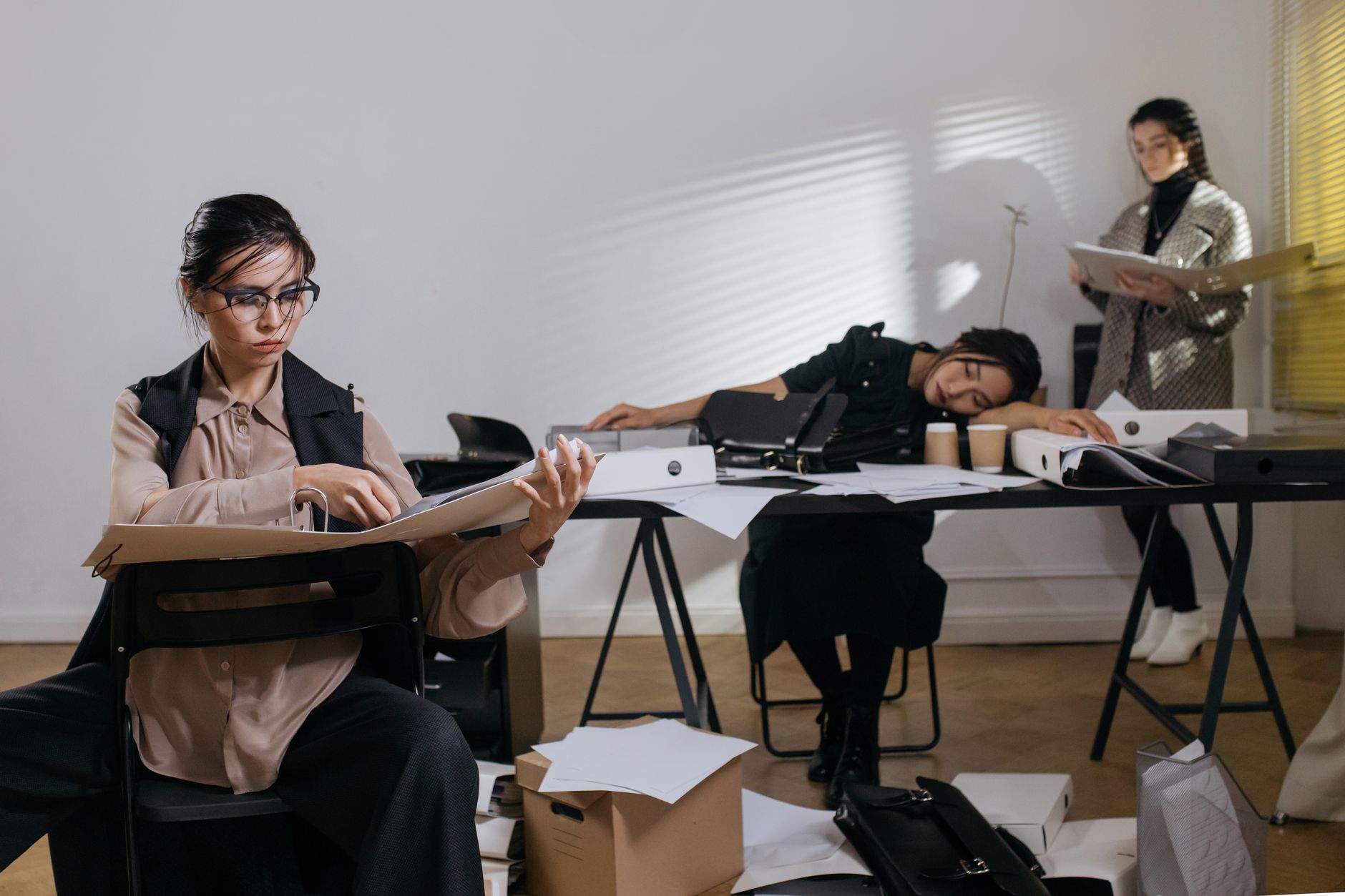
Feeling that familiar knot in your stomach as Monday morning approaches? Does the mere thought of your office, your colleagues, or that upcoming presentation send shivers down your spine? You're not alone. In India's fast-paced professional landscape, workplace anxiety has become an unwelcome, yet common, companion for many. It's more than just a bad day; it's a persistent feeling of worry, nervousness, and dread that can significantly impact your performance, your relationships, and your overall well-being. But here's the good news: you don't have to let it control you. This guide is your practical toolkit, packed with actionable strategies tailored for the Indian context, to help you navigate and conquer workplace anxiety. Workplace anxiety isn't confined to the traditional office setting. Whether you're working from home, navigating the pressures of a startup, or managing a large team, the anxieties can manifest in various forms. Perhaps it's the dreaded 'Zoom fatigue' and the pressure to always be 'on' during virtual meetings, or maybe it's the constant fear of missing a deadline, the pressure to outperform your peers, or the stress of dealing with difficult colleagues. Whatever the root, the impact is real: sleepless nights, difficulty concentrating, irritability, and a constant sense of unease. It can feel overwhelming, like a relentless storm brewing inside you. But remember, even the most formidable storms eventually pass, and with the right approach, you can find your calm amidst the chaos. Understanding Workplace Anxiety: What It Feels Like Workplace anxiety can creep up on you subtly or hit you like a ton of bricks. It's a spectrum of feelings, from mild unease to full-blown panic. Here are some common signs to look out for: Persistent worry or dread about work-related tasks or situations. Physical symptoms like a racing heart, sweating, trembling, shortness of breath, or nausea, especially before or during work. Difficulty concentrating or making decisions. Irritability or increased frustration with colleagues or tasks. Avoidance of work-related situations, meetings, or even colleagues. Changes in appetite or sleep patterns. Feeling overwhelmed and unable to cope. Self-doubt and a loss of confidence in your abilities. Procrastination, often stemming from fear of failure. It's important to recognize these signs not as personal failings, but as signals from your body and mind that something needs attention. Think of them as your internal alarm system, alerting you to a potential danger zone. Unmasking Your Triggers: The First Step to Freedom One of the most empowering steps in managing workplace anxiety is identifying what sets it off. What are the specific situations, tasks, or interactions that trigger your anxiety? Sometimes, the triggers are obvious – a looming deadline, a difficult client, or a critical performance review. Other times, they can be more subtle, perhaps related to a particular colleague's behaviour, the office environment, or even a specific time of day. To uncover these hidden triggers, try keeping a 'Worry Journal'. Throughout your workday, jot down moments when you feel nervous or anxious. Note down the situation, how you felt, and what thoughts were running through your mind. Over time, you'll start to see patterns emerge. Maybe you consistently feel anxious before the weekly team meeting, or perhaps a specific type of email from your boss sends you into a spiral. This self-awareness is your superpower. The 'What-If' Game and Uncovering Core Fears A common form of workplace anxiety is the relentless cycle of 'what-ifs'. 'What if I mess up this presentation?' 'What if my boss doesn't like my idea?' 'What if I get fired?' These hypothetical worries can be exhausting. To tackle them, delve deeper by asking yourself: Why is that a bad thing? Keep asking this question until you get to the root of your fear. What does this mean about me? This helps uncover the underlying belief or core fear. For instance, the fear of messing up a presentation might stem from a core fear of not being good enough or being seen as incompetent. Once you identify this core fear, you can begin to challenge it. Challenging Your Anxious Thoughts Once you've identified your core fears, it's time to gently challenge them. Don't just accept them as truth. Instead, engage in a rational dialogue with yourself: What's the evidence for and against this fear being true? Look at past experiences objectively. Have you always failed? Or have there been successes? What would I say to a friend or loved one experiencing this same fear? We are often kinder and more rational with others than ourselves. If the worst-case scenario did happen, how would I cope? Break down the feared outcome into manageable steps. Often, we find we are more resilient than we think. What is the most realistic outcome? Usually, it's not as dire as our anxious mind suggests. Acknowledge the story your mind is telling you, thank it for trying to protect you, but then gently remind yourself that it's just a story, not necessarily reality. Practical Strategies for Instant Relief and Long-Term Resilience Knowing your triggers is one thing; managing the anxiety in the moment is another. Fortunately, there are many practical, easy-to-implement strategies you can use, right at your desk or even during your commute. 1. The Power of the Pause: Taking Short Breaks It might sound counterintuitive when you're swamped, but taking short, strategic breaks can dramatically improve your focus and reduce anxiety. Step away from your task, stretch, walk around, or simply close your eyes for a few minutes. Even a 5-minute break can help you reset and return with renewed clarity. Think of it as a mental refresh button. 2. Mindful Moments: Breathing Your Way to Calm When anxiety strikes, our breathing becomes shallow and rapid. Consciously slowing it down can signal to your brain that you're safe. Try box breathing : inhale deeply for a count of 4, hold your breath for a count of 4, exhale slowly for a count of 4, and hold again for a count of 4. Repeat this several times. It's a simple yet incredibly effective technique that you can practice anywhere, anytime. Another technique is the 5-4-3-2-1 grounding method : identify 5 things you can see, 4 things you can touch, 3 things you can hear, 2 things you can smell, and 1 thing you can taste. This brings your focus back to the present moment. 3. Movement is Medicine: Incorporate Physical Activity Exercise is a powerful antidote to anxiety. Even a brisk walk during your lunch break can make a significant difference. Physical activity releases endorphins, those feel-good chemicals that naturally reduce stress and improve mood. If possible, try exercising before work to prepare your body for the day's challenges, or after work to help you transition into a more relaxed state. 4. Self-Compassion: Be Your Own Best Friend When stress levels soar, our inner critic often takes over. Instead of beating yourself up, practice self-compassion. Acknowledge your feelings without judgment. Say to yourself, 'I'm feeling overwhelmed right now, and that's okay.' Treat yourself with the same kindness and understanding you would offer a dear friend facing similar struggles. Remind yourself that you are doing your best in challenging circumstances. 5. Organize and Prioritize: Taking Control Feeling overwhelmed often stems from a lack of control. Breaking down large tasks into smaller, manageable steps can make them seem less daunting. Use to-do lists, calendars, and project management tools to organize your workload. Prioritize tasks based on urgency and importance. Simply having a clear plan can significantly reduce anxiety. 6. Setting Boundaries: Protecting Your Peace In today's always-on culture, setting clear boundaries between work and personal life is vital. Learn to say 'no' to requests that overload you. Avoid checking work emails late at night or on weekends unless absolutely necessary. Communicate your boundaries clearly and respectfully to colleagues and superiors. Protecting your personal time is not selfish; it's essential for long-term sustainability and well-being. When to Seek Professional Help While self-help strategies are incredibly effective, sometimes workplace anxiety can become persistent and debilitating, significantly interfering with your daily life, work, and relationships. If you find yourself struggling to cope, experiencing severe symptoms, or if your anxiety is impacting your ability to function, it's time to seek professional support. A therapist or counselor can provide a safe space to explore the root causes of your anxiety, teach you advanced coping mechanisms, and help you develop personalized strategies for managing your condition. Remember, seeking help is a sign of strength, not weakness. FAQs about Workplace Anxiety Q1: Can working from home cause workplace anxiety? Absolutely! While working from home can offer flexibility, it can also blur the lines between professional and personal life, leading to issues like 'Zoom anxiety,' constant connectivity pressure, and isolation, all of which can contribute to workplace anxiety. Q2: Are there specific Indian cultural factors that contribute to workplace anxiety? Yes. The strong emphasis on hierarchy, the pressure to constantly perform and achieve, job security concerns, and sometimes, inter-personal dynamics within the workplace can add unique layers of stress and anxiety for professionals in
In summary, timely diagnosis, evidence-based treatment, and prevention-focused care improve long-term health outcomes.
Visit Hospital
Near You

Could your daily coffee habit be protecting your brain? A massive 2026 study following more than 130,000 people for up to 43 years found that people who drank the most caffeinated coffee had an 18% lower risk of dementia. This piece breaks down what the study actually found, why decaf didn't show th
July 23, 2026
Seeking a migraine specialist in Uluberia? Discover where to find expert diagnosis and treatment for severe headaches. Get relief now.
May 20, 2026
Seeking a male fertility doctor in Jalpaiguri? Discover expert insights on male infertility, treatments, and how to find the right specialist.
May 20, 2026