

Emergency & Help
24/7 Emergency & General Advisory
🚨 24/7 Medical Emergency
Non-Emergency Advisory
10:00 AM – 6:00 PM, Mon–Sat
For appointments & general queries.
24/7 Emergency & General Advisory
🚨 24/7 Medical Emergency
Non-Emergency Advisory
10:00 AM – 6:00 PM, Mon–Sat
For appointments & general queries.
Discover how bullet journaling can be a powerful tool for managing stress, building routines, and navigating challenging times, especially during periods of isolation like a pandemic. Learn practical steps to start your own BuJo and enhance your mental well-being.
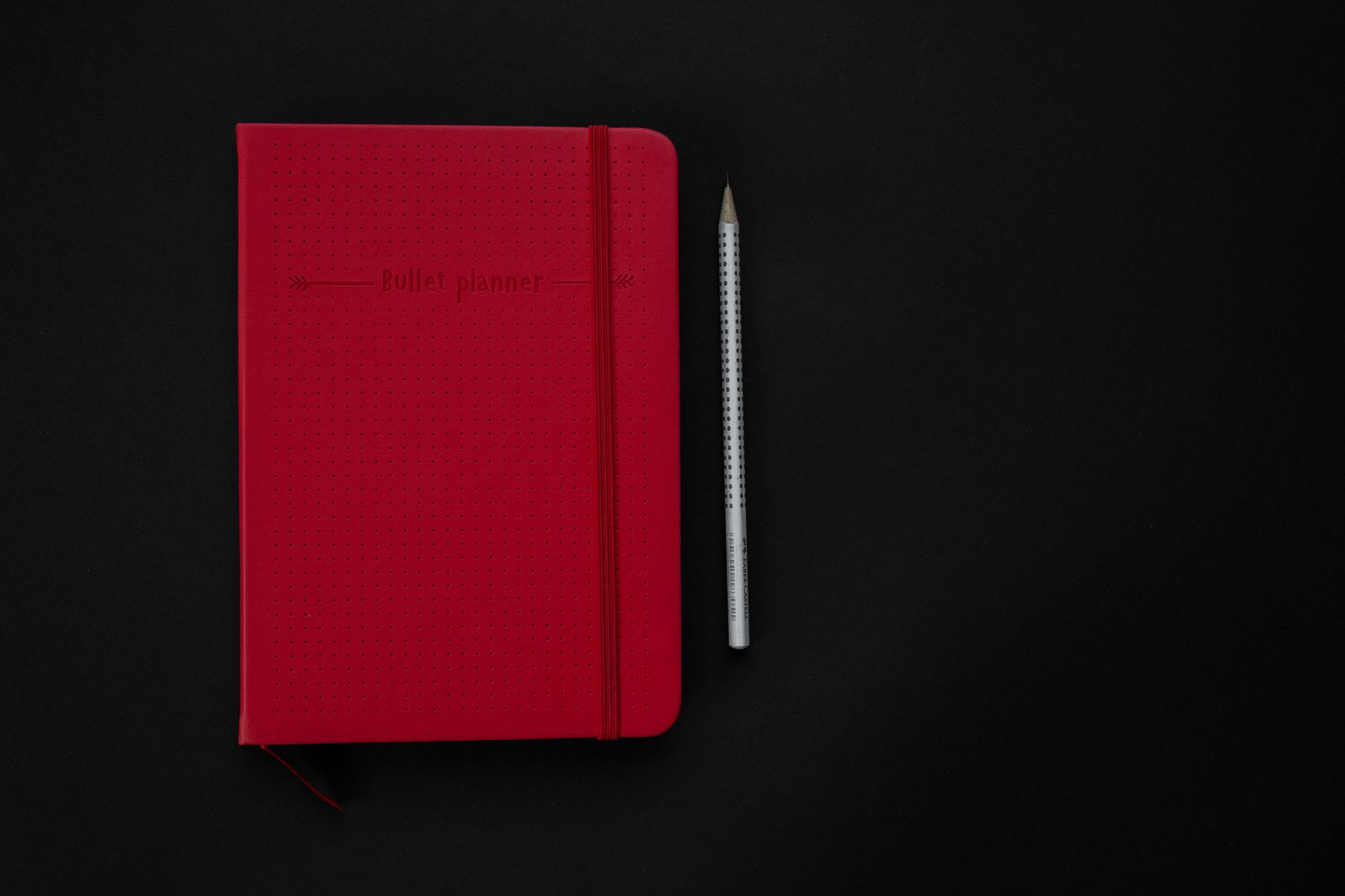
The world has changed dramatically over the past few years, and for many of us, the COVID-19 pandemic has reshaped our daily lives in ways we never anticipated. While physical distancing helped us stay safe, it also brought a sense of isolation. Remember those days when we thought this would all be over in a few weeks? We now understand that this is a long-term challenge requiring sustained solutions. For some, like myself, one of those solutions has been embracing bullet journaling. It has become a vital part of my routine for navigating the day-to-day realities of this prolonged period.
You might recall a previous guide on managing depression and chronic pain during quarantine, which focused on establishing and maintaining a daily routine that supports both mental and physical well-being. Think of this as a companion piece, a practical way to track and manage that very routine. If you’re new to bullet journaling, don’t worry – it’s a flexible system designed to adapt to your needs.
At its core, bullet journaling, or BuJo, is a customizable organization system. It’s a method that helps you track the past, organize the present, and plan for the future. It's not just about making lists; it’s about creating a mindful practice that helps you declutter your mind and focus on what truly matters. All you really need to get started is a blank notebook – a dotted one is often preferred, but any will do – and a pen.
Open to a fresh page in your journal. Give it a heading that resonates with you. It can be as simple or as elaborate as you like. Perhaps a witty pun, a serious declaration, or even something self-deprecating like, “This might be silly, but let’s try it.” The only real rule is that it needs to work for you and feel authentic.
Underneath your chosen title, start a list of things you want to focus on. This is your initial brain dump – a free-flowing collection of ideas, goals, and intentions. There are no right or wrong answers here. Writing an idea down doesn’t obligate you to act on it; think of them as suggestions, not commands.
For example, a brain dump might include:
You can categorize these ideas if it helps, such as “Health & Wellness,” “Personal Growth,” or “Entertainment,” or you can keep them all in one general list. The key is to get your thoughts out of your head and onto paper. Don’t strive for perfect handwriting or neat layouts at this stage. As the saying goes, “There are no bad ideas in brainstorming.” Embrace any imperfections and focus on quantity over quality. Even seemingly silly or embarrassing ideas are welcome.
Once you have your brain dump, review it carefully. Identify what feels most significant and relevant to your current situation. It’s important not to just pick the easiest items. Challenge yourself by selecting at least one area that feels particularly overwhelming or out of reach. The aim is to chip away at that feeling of being overwhelmed by taking small, manageable steps toward your larger goals.
Consider this common scenario: Priya feels overwhelmed by her household chores and the general mess in her apartment. She also wants to get back into painting, something she used to love but hasn’t touched in years. In her BuJo brain dump, she lists “Clean the entire apartment” and “Start painting again.” While “Clean the entire apartment” feels huge, she breaks it down into smaller tasks like “Wipe down kitchen counters” and “Organize one shelf in the closet.” For painting, she decides to start by simply setting up her easel and paints for 15 minutes, rather than committing to finishing a whole canvas immediately. These smaller steps make the goals feel achievable.
Forming a new habit can take time, ranging anywhere from 18 to 254 days. This is where commitment plays a vital role. Make a conscious decision to practice your chosen activities daily for a set period. In my experience, 30 days is an excellent starting point. It’s a substantial commitment that isn’t overly daunting.
For example, if you choose to focus on daily meditation, commit to just 5-10 minutes each morning. If your goal is to read more, aim for just one chapter a day. The consistency, even with small actions, builds momentum and reinforces the new behavior.
Bullet journaling isn’t just about daily tasks; it can also be used for longer-term tracking and reflection. Consider creating monthly trackers for habits like exercising, drinking water, or even practicing gratitude. For instance, you could create a year-long tracker for reading every day, marking off each day you succeed.
It’s also essential to revisit what you’ve written. Set a specific time to go back to your reflection pages – perhaps in a few hours, a couple of days, or a week. Reading what you’ve written can offer valuable insights into your progress, challenges, and evolving thoughts. This reflective practice solidifies the learning and helps you adjust your approach as needed.
The pandemic highlighted our need for structure and control in uncertain times. Bullet journaling provides a tangible way to create that structure. It offers a dedicated space to process feelings, plan activities, and acknowledge moments of joy or gratitude, however small.
You can use your BuJo to:
While bullet journaling can be a powerful tool for self-management and mental well-being, it’s not a substitute for professional medical or mental health care. If you are experiencing persistent feelings of sadness, anxiety, hopelessness, or thoughts of self-harm, please reach out to a healthcare professional immediately. Your well-being is paramount, and seeking support is a sign of strength.
No, any notebook will work! While dotted notebooks are popular for their flexibility in layout, a lined, gridded, or even blank notebook is perfectly fine. The most important tool is your pen and your willingness to engage with the process.
Don’t worry about it! Missing a day doesn’t mean you’ve failed. Simply pick up where you left off the next day. The goal is progress, not perfection. Consistency over time is more important than an unbroken streak.
Yes, it can be a valuable tool. By providing structure, allowing for emotional expression, and helping you focus on small, achievable goals, bullet journaling can help manage symptoms of anxiety and depression. However, it should complement, not replace, professional treatment if needed.
The key is to remember that it’s *your* journal. Keep the process simple, focus on what’s meaningful to you, and let go of the need for perfection. If a particular spread or tracking method feels burdensome, change it or drop it altogether. It should be a tool that supports you, not one that adds to your stress.
Visit Hospital
Near You

Could your daily coffee habit be protecting your brain? A massive 2026 study following more than 130,000 people for up to 43 years found that people who drank the most caffeinated coffee had an 18% lower risk of dementia. This piece breaks down what the study actually found, why decaf didn't show th
July 23, 2026
Seeking a migraine specialist in Uluberia? Discover where to find expert diagnosis and treatment for severe headaches. Get relief now.
May 20, 2026
Seeking a male fertility doctor in Jalpaiguri? Discover expert insights on male infertility, treatments, and how to find the right specialist.
May 20, 2026