The Intricate Connection Between Stress and Your Menstrual Cycle
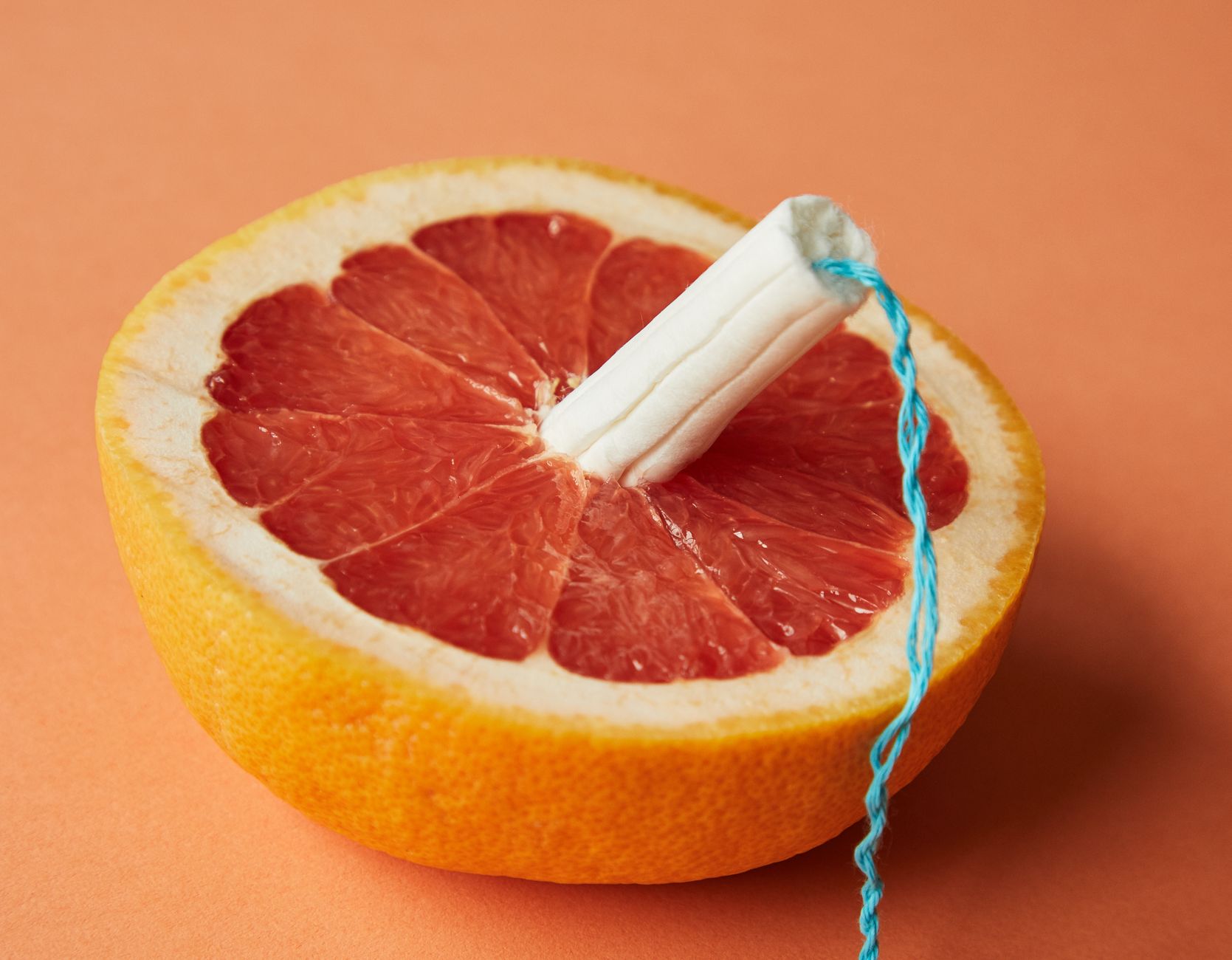
The menstrual cycle is a complex symphony of hormones, and it's no surprise that external factors can disrupt its rhythm. Among the most common culprits is stress. In today's fast-paced world, many women experience periods of heightened stress, which can manifest in various ways, including irregularities in their menstrual cycle. This article delves into the intricate connection between stress and your period, exploring how it happens, what symptoms to look out for, and what you can do to manage it.
How Stress Impacts Your Period
Your menstrual cycle is regulated by a delicate balance of hormones, primarily estrogen and progesterone, which are controlled by the hypothalamus and pituitary gland in your brain. When you experience stress, your body releases stress hormones like cortisol and adrenaline. These hormones can interfere with the normal functioning of the hypothalamus and pituitary gland, leading to:
- Delayed Ovulation: Stress can delay or even prevent ovulation, the release of an egg from the ovary. This is because the body prioritizes survival during stressful times, potentially putting reproductive functions on hold.
- Changes in Hormone Levels: Elevated cortisol levels can suppress the production of reproductive hormones, leading to irregular periods.
- Altered Menstrual Flow: Some women may experience lighter or heavier periods, or even skipped periods altogether, due to these hormonal shifts.
- Increased PMS Symptoms: Stress can often exacerbate premenstrual syndrome (PMS) symptoms like mood swings, irritability, bloating, and fatigue.
Symptoms of Stress-Induced Period Irregularities
Recognizing the signs is the first step towards managing the issue. Here are some common symptoms:
- Missed Periods (Amenorrhea): If your period is significantly delayed or absent for several months, and you're not pregnant, stress could be a contributing factor.
- Irregular Periods: Your cycle length may vary significantly from month to month.
- Changes in Flow: You might notice your period becoming lighter or heavier than usual.
- Increased Pain: Some women report experiencing more intense menstrual cramps when stressed.
- Mood Changes: Heightened anxiety, irritability, or feelings of sadness can accompany period irregularities.
- Fatigue: Persistent tiredness can be both a symptom of stress and a consequence of hormonal imbalances affecting your cycle.
Causes of Stress
Stress can stem from a multitude of sources, both personal and professional. Common stressors include:
- Work-related pressure: Tight deadlines, demanding projects, or a difficult work environment.
- Relationship issues: Conflicts with partners, family, or friends.
- Financial worries: Concerns about money, debt, or job security.
- Major life changes: Moving, starting a new job, or experiencing a loss.
- Health concerns: Dealing with personal or a loved one's illness.
- Lack of sleep: Insufficient rest can significantly amplify the body's stress response.
Diagnosis
If you suspect stress is affecting your period, it's essential to consult a healthcare professional. Diagnosis typically involves:
- Medical History: Your doctor will ask about your menstrual cycle, stress levels, lifestyle, and any other symptoms you're experiencing.
- Physical Examination: A general physical exam may be conducted.
- Hormone Tests: Blood tests may be ordered to check hormone levels (e.g., thyroid hormones, prolactin, FSH, LH) to rule out other conditions.
- Pregnancy Test: To exclude pregnancy as a cause of a missed period.
- Pelvic Ultrasound: In some cases, an ultrasound may be used to examine the reproductive organs.
Treatment and Management
The primary goal of treatment is to manage stress and restore hormonal balance. This often involves a multi-faceted approach:
- Stress Management Techniques:
- Mindfulness and Meditation: Regular practice can help calm the nervous system.
- Deep Breathing Exercises: Simple yet effective for immediate stress relief.
- Yoga and Tai Chi: Combine physical movement with relaxation.
- Journaling: Expressing thoughts and feelings can be cathartic.
- Spending Time in Nature: A proven way to reduce stress levels.
- Lifestyle Modifications:
- Prioritize Sleep: Aim for 7-9 hours of quality sleep per night.
- Regular Exercise: Physical activity is a great stress reliever, but avoid overexertion.
- Balanced Nutrition: A healthy diet supports overall well-being and hormone balance.
- Limit Caffeine and Alcohol: These can exacerbate stress and disrupt sleep.
- Seeking Support:
- Talk Therapy: A therapist can provide coping strategies for managing stress.
- Support Groups: Connecting with others facing similar challenges can be beneficial.
- Medical Intervention: In some cases, a doctor might prescribe medication to regulate your cycle or manage severe symptoms, but this is usually a last resort after lifestyle changes have been tried.
Prevention
While completely avoiding stress is impossible, adopting proactive strategies can help build resilience:
- Identify Your Stressors: Understanding what triggers your stress is key to managing it.
- Develop Coping Mechanisms: Have a toolkit of relaxation techniques ready.
- Set Boundaries: Learn to say no to commitments that will overwhelm you.
- Practice Self-Care: Make time for activities you enjoy and that help you relax.
- Maintain a Healthy Lifestyle: Good nutrition, regular exercise, and adequate sleep are foundational.
When to Consult a Doctor
It's important to seek medical advice if:
- You experience sudden, significant changes in your menstrual cycle.
- You miss three or more periods in a row.
- Your periods become consistently irregular.
- You have severe pain or heavy bleeding during your period.
- You have other concerning symptoms like unexplained weight loss, fatigue, or unusual discharge.
Disclaimer: This information is for general knowledge and informational purposes only, and does not constitute medical advice. It is essential to consult with a qualified healthcare professional for any health concerns or before making any decisions related to your health or treatment.