

Emergency & Help
24/7 Emergency & General Advisory
🚨 24/7 Medical Emergency
Non-Emergency Advisory
10:00 AM – 6:00 PM, Mon–Sat
For appointments & general queries.
24/7 Emergency & General Advisory
🚨 24/7 Medical Emergency
Non-Emergency Advisory
10:00 AM – 6:00 PM, Mon–Sat
For appointments & general queries.
Stay updated with our latest healthcare news and your appointments.
Discover the ancient practice of candle meditation (Trataka) for enhanced focus, reduced anxiety, and improved sleep. Learn how this simple yogic technique can bring calm to your modern life.
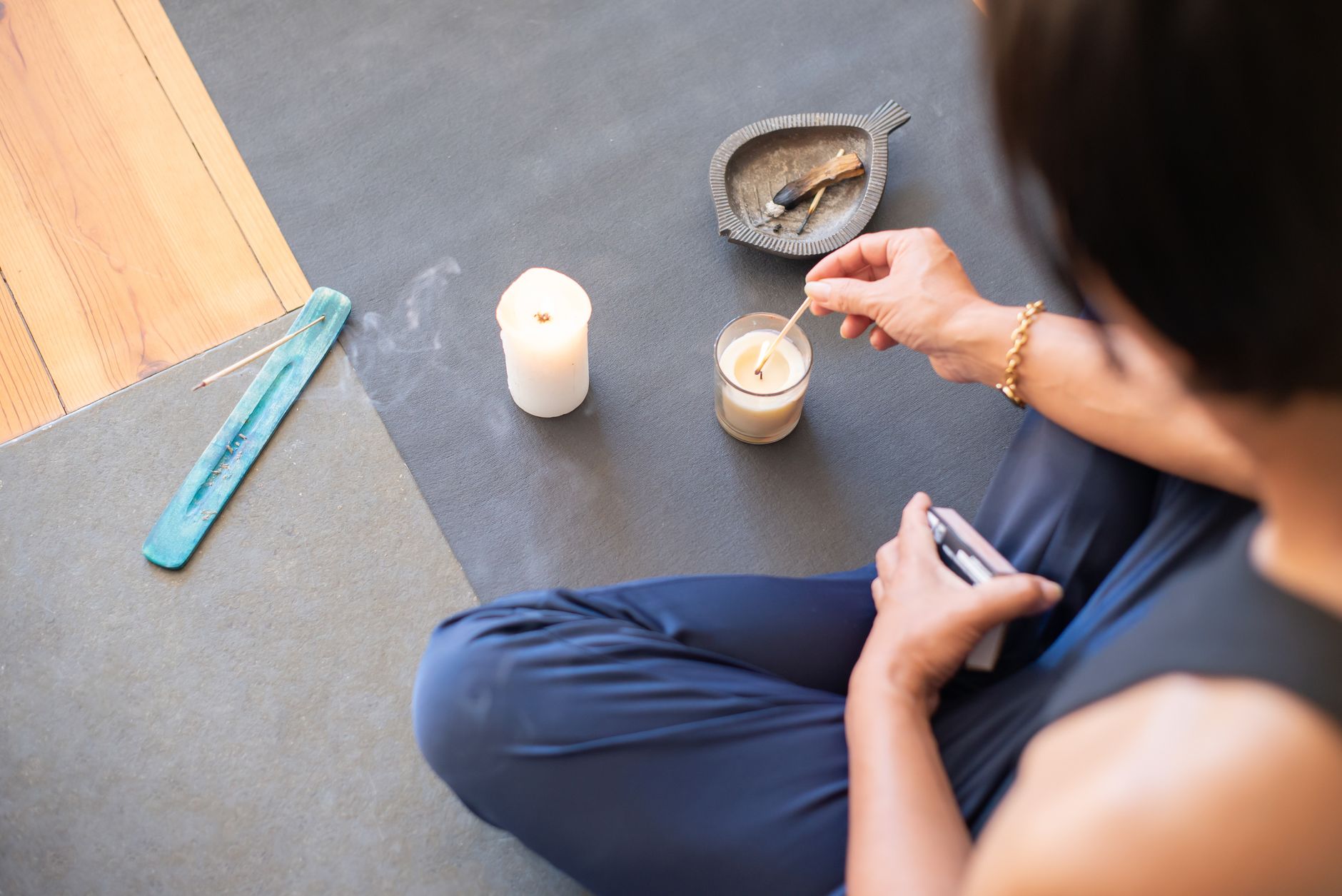
In today's whirlwind world, finding a moment of calm can feel like searching for a needle in a haystack. With constant notifications buzzing and an endless stream of information, our attention spans seem to be shrinking. Some even joke that we have the focus of a goldfish! But what if a simple, ancient practice could help you regain that lost focus and bring a sense of peace to your busy life? Enter candle meditation, also known as Trataka . This yogic gazing technique, rooted in centuries-old Indian traditions, offers a powerful way to quiet the mind, sharpen concentration, and even boost your cognitive abilities. Let's explore how staring at a flame can transform your mental landscape. What is Candle Meditation (Trataka)? Candle meditation, or Trataka , is a form of yogic concentration that involves gazing steadily at a single point, most commonly a candle flame. The word Trataka itself comes from Sanskrit, an ancient Indian language, and simply means "to look" or "to gaze." This practice isn't new; its origins can be traced back to ancient Indian yoga traditions. Early mentions appear in texts like the Hatha Yoga Pradipika , a 15th-century manual that instructed practitioners to "gaze steadily at a small mark, till eyes are filled with tears." The aim was not just to improve focus but also, as some texts suggested, to help cure eye diseases. Another Sanskrit manual, the Gheranda Samhita , describes similar techniques. The beauty of Trataka lies in its simplicity. In a world overflowing with distractions, it guides you back to the present moment by focusing your attention on one stable object. This deliberate act of single-pointed focus helps to calm the restless mind, reduce mental chatter, and cultivate a deeper sense of inner stillness. It’s about training your mind to be present and unwavering, much like the steady flame of a candle. The Science and Philosophy Behind It Trataka is considered one of the six cleansing techniques (known as shatkarmas or kriyas ) in Hatha Yoga, designed to purify and prepare the body and mind for deeper meditative practices. But its benefits extend beyond spiritual purification. Modern research is beginning to explore what ancient yogis have known for centuries: focusing on a single point can significantly impact cognitive function and mental well-being. Ayurveda, the traditional Indian system of medicine, also incorporates the element of fire, known as Tejas . Tejas is associated with the fire element and governs transformation, digestion, and discernment. In Ayurvedic philosophy, the fire element is intrinsically linked to mental clarity, focus, and the ability to process information. By engaging with the flame of a candle, practitioners are said to invoke and strengthen this internal fire, enhancing cognitive abilities and sharpening the mind. Experts like Nisha Saini, a holistic health practitioner, highlight how modern life, with its constant digital bombardment and stressors like the COVID-19 pandemic, has made it incredibly difficult for people to relax and focus. "People have forgotten how to relax," she notes. Candle meditation offers a practical antidote, providing a tangible anchor for attention and a pathway to mental quietude. Benefits of Candle Meditation The advantages of practicing Trataka are multifaceted, touching upon cognitive enhancement, mental health improvement, and even physical well-being. Here’s a closer look at what this ancient practice can offer: Enhanced Focus and Concentration This is perhaps the most direct and widely recognized benefit. By training your mind to fixate on the candle flame, you strengthen your ability to concentrate. Studies suggest that Trataka can bolster selective attention – your capacity to focus on relevant stimuli while ignoring distractions. This improved attention can translate to better performance in work, studies, and everyday tasks. Improved Cognitive Function Research indicates that yogic visual concentration techniques, including Trataka , can boost overall cognitive performance. A narrative review in 2021 found that Trataka enhanced cognition. Specific studies have pointed to improvements in working memory (the ability to hold and manipulate information), spatial memory (remembering locations), and spatial attention (paying attention to where things are in space). Reduced Anxiety and Stress The calming effect of focusing on a single, steady object is profound. In a 2020 study, adolescent students who practiced Trataka reported a reduction in anxiety symptoms. By drawing your attention away from worrisome thoughts and anchoring it to the gentle flicker of the flame, you can create a sanctuary of calm, easing feelings of stress and overwhelm. Better Sleep Quality For those struggling with insomnia, candle meditation might offer a natural solution. A small study in 2020 involving participants with insomnia found that practicing Trataka daily for 10 days led to a significant reduction in insomnia severity and an improvement in sleep quality. The practice helps to quiet the racing mind that often keeps people awake at night, promoting relaxation conducive to sleep. Enhanced Eye Health (with caution) While modern interpretations focus more on mental benefits, traditional texts like the Hatha Yoga Pradipika suggested that Trataka could help cure eye diseases. The steady gaze and the subsequent watering of the eyes were believed to cleanse and strengthen the ocular system. However, it's crucial to practice this safely to avoid eye strain. Spiritual Connection For many, Trataka is not just a cognitive exercise but a spiritual practice. Focusing on the flame can be seen as focusing on the inner light or divine presence. It can deepen self-awareness and foster a sense of connectedness to something larger than oneself. How to Practice Candle Meditation Ready to try this ancient technique? Practicing candle meditation is straightforward, but requires a quiet space and a little preparation. Here’s a step-by-step guide: Find a Quiet Space: Choose a location where you won't be disturbed. Ensure the room is dimly lit, allowing the candle flame to be the primary light source. Prepare Your Candle: Place a plain, unscented candle (a simple white or beeswax candle works well) at a comfortable eye level. Position it about arm's length away from you. Ensure it's stable and won't easily tip over. Sit Comfortably: Sit in a relaxed yet upright posture. You can sit on a cushion on the floor or in a chair, ensuring your spine is straight. Your body should be relaxed, not tense. Gaze at the Flame: Gently close your eyes for a moment, take a few deep breaths, and then slowly open them. Softly focus your gaze on the tip of the candle flame. Avoid straining your eyes. Try to keep your eyes from blinking as much as possible, but don't force it. If your eyes water, that's a natural part of the process. Observe Without Judgment: Simply observe the flame. Notice its color, its movement, and its light. If your mind wanders – and it will! – gently acknowledge the thought without judgment and guide your attention back to the flame. This is the core of the practice. Duration: Begin with short sessions, perhaps 3-5 minutes. As you become more comfortable, gradually increase the duration to 10, 15, or even 20 minutes. Concluding the Practice: When you're ready to finish, gently close your eyes. Take a few deep breaths. Notice any sensations in your body or mind. You can then gently rub your palms together and place them over your closed eyes for a moment before slowly opening them. Safety Considerations While candle meditation is generally safe, there are a few points to keep in mind: Eye Strain: Never force your eyes to stay open or stare intensely, as this can cause strain. Maintain a soft, relaxed gaze. Fire Safety: Always place the candle on a stable, heat-resistant surface. Keep it away from flammable materials like curtains or paper. Never leave a burning candle unattended. Ensure good ventilation. Sensitivity: If you have any pre-existing eye conditions, consult your doctor before practicing Trataka . When to Consult a Doctor Candle meditation is a complementary practice and should not replace conventional medical treatment. If you are experiencing significant anxiety, insomnia, or cognitive difficulties, it is essential to seek professional medical advice. Consult your doctor or a mental health professional to discuss your symptoms and explore appropriate treatment options. While candle meditation can be a supportive tool, it is not a cure for any medical condition. Frequently Asked Questions (FAQ) Q1: Can candle gazing harm my eyes? When practiced correctly with a soft, relaxed gaze, candle meditation should not harm your eyes. The goal is not to stare intensely but to observe gently. Avoid forcing your eyes to stay open, and if they water or feel tired, take a break. Traditional texts even suggested benefits for eye health, but caution is always advised, especially for those with existing eye conditions. Q2: How often should I practice candle meditation? Consistency is key. Aim to practice daily, even if it's just for a few minutes. As you become more comfortable, you can gradually increase the duration. Daily practice, even for 5-10 minutes, can yield significant benefits over time. Q3: What if I can't stop thinking during meditation? This is completely normal! The mind is naturally prone to wandering.
In summary, timely diagnosis, evidence-based treatment, and prevention-focused care improve long-term health outcomes.
Visit Hospital
Near You

Could your daily coffee habit be protecting your brain? A massive 2026 study following more than 130,000 people for up to 43 years found that people who drank the most caffeinated coffee had an 18% lower risk of dementia. This piece breaks down what the study actually found, why decaf didn't show th
July 23, 2026
Seeking a migraine specialist in Uluberia? Discover where to find expert diagnosis and treatment for severe headaches. Get relief now.
May 20, 2026
Seeking a male fertility doctor in Jalpaiguri? Discover expert insights on male infertility, treatments, and how to find the right specialist.
May 20, 2026