

Emergency & Help
24/7 Emergency & General Advisory
🚨 24/7 Medical Emergency
Non-Emergency Advisory
10:00 AM – 6:00 PM, Mon–Sat
For appointments & general queries.
24/7 Emergency & General Advisory
🚨 24/7 Medical Emergency
Non-Emergency Advisory
10:00 AM – 6:00 PM, Mon–Sat
For appointments & general queries.
Stay updated with our latest healthcare news and your appointments.
Learn to recognize the signs of cocaine use, understand its impact, and discover how to offer support to loved ones. This guide provides practical advice for Indian readers.

Cocaine is a powerful stimulant drug that can significantly alter a person's behavior, physical appearance, and mental state. Its highly addictive nature means that even occasional use can quickly escalate into dependence, making it difficult for individuals to stop on their own. Recognizing the signs of cocaine use is the first step in offering support to a loved one who may be struggling. This guide aims to provide clear, practical information for Indian readers on identifying these signs and understanding how to approach the situation with care and compassion.
Cocaine is a stimulant derived from the coca plant. It works by affecting the brain's reward system, leading to intense feelings of pleasure, increased energy, and heightened alertness. However, these effects are short-lived, and the drug's addictive potential is very high. Users often experience intense cravings as the drug wears off, leading to a cycle of repeated use.
It's important to note that some of these signs can also be indicative of other mental health conditions or temporary emotional challenges. However, a combination of several of these symptoms may suggest cocaine use. If you observe these changes in someone you know, it's crucial to approach them with empathy, even if substance use isn't the underlying cause.
Addiction, clinically known as substance use disorder, is a complex condition characterized by compulsive substance seeking and use, despite harmful consequences. It involves both psychological and physiological dependence. The brain adapts to the presence of cocaine, requiring it not just for pleasure but also to function normally, leading to intense cravings and withdrawal symptoms when use stops.
Cocaine directly impacts the brain's neurotransmitters, particularly dopamine, which is associated with pleasure and reward. Over time, the brain develops a tolerance, meaning higher doses are needed to achieve the same effect. This can lead to a diminished ability to experience pleasure from everyday activities, further reinforcing the cycle of addiction.
Approaching someone about their potential cocaine use can be incredibly challenging. It's natural to feel worried, frustrated, or even scared. The key is to approach the situation with support and care, avoiding judgment or pressure. Remember that recovery is a personal journey, and individuals must be ready to seek help.
If you or someone you know is struggling with cocaine use, seeking professional medical help is crucial. A doctor can provide an accurate diagnosis, discuss treatment options, and offer support for withdrawal and recovery. They can also help identify and address any co-occurring mental health conditions.
Preventing substance use involves education, fostering healthy coping mechanisms, and promoting open communication about challenges. For those in recovery, ongoing support, relapse prevention strategies, and maintaining a healthy lifestyle are vital for long-term success. This includes regular exercise, a balanced diet, stress management techniques, and strong social support networks.
Disclaimer: This information is for educational purposes only and does not constitute medical advice. If you suspect someone is using cocaine or are concerned about your own substance use, please consult a qualified healthcare professional immediately.
This section adds practical context and preventive advice to help readers make informed healthcare decisions. It is important to verify symptoms early, consult qualified doctors, and avoid self-medication for persistent health issues.
Maintaining healthy routines, following prescribed treatment plans, and attending regular checkups can improve outcomes. If symptoms worsen or red-flag signs appear, immediate medical evaluation is recommended.
Track symptoms and duration.
Follow diagnosis and treatment from a licensed practitioner.
Review medication side effects with your doctor.
Seek urgent care for severe warning signs.
Visit Hospital
Near You
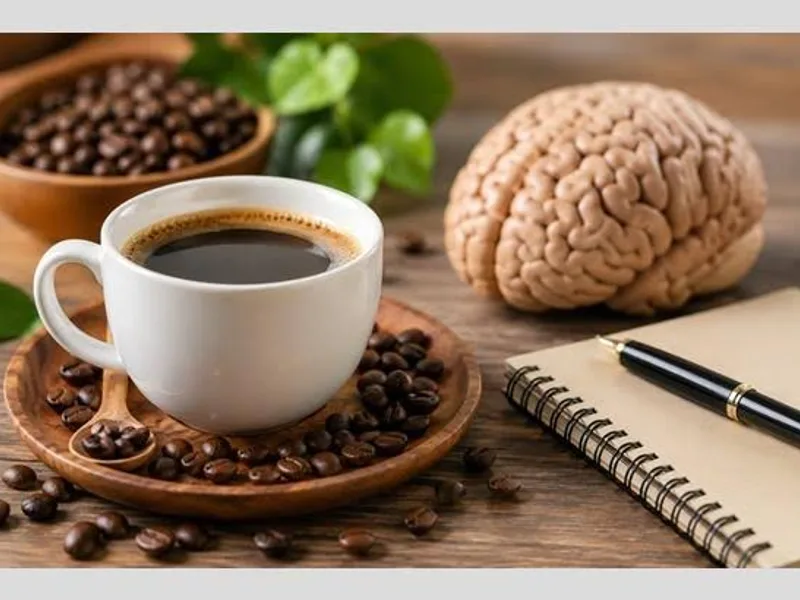
Could your daily coffee habit be protecting your brain? A massive 2026 study following more than 130,000 people for up to 43 years found that people who drank the most caffeinated coffee had an 18% lower risk of dementia. This piece breaks down what the study actually found, why decaf didn't show th
July 23, 2026
Seeking a migraine specialist in Uluberia? Discover where to find expert diagnosis and treatment for severe headaches. Get relief now.
May 20, 2026
Seeking a male fertility doctor in Jalpaiguri? Discover expert insights on male infertility, treatments, and how to find the right specialist.
May 20, 2026