

Emergency & Help
24/7 Emergency & General Advisory
🚨 24/7 Medical Emergency
Non-Emergency Advisory
10:00 AM – 6:00 PM, Mon–Sat
For appointments & general queries.
24/7 Emergency & General Advisory
🚨 24/7 Medical Emergency
Non-Emergency Advisory
10:00 AM – 6:00 PM, Mon–Sat
For appointments & general queries.
Discover the profound benefits of choosing solitude over loneliness. Learn practical tips to embrace your own company and enhance your mental well-being, with insights for the Indian context.
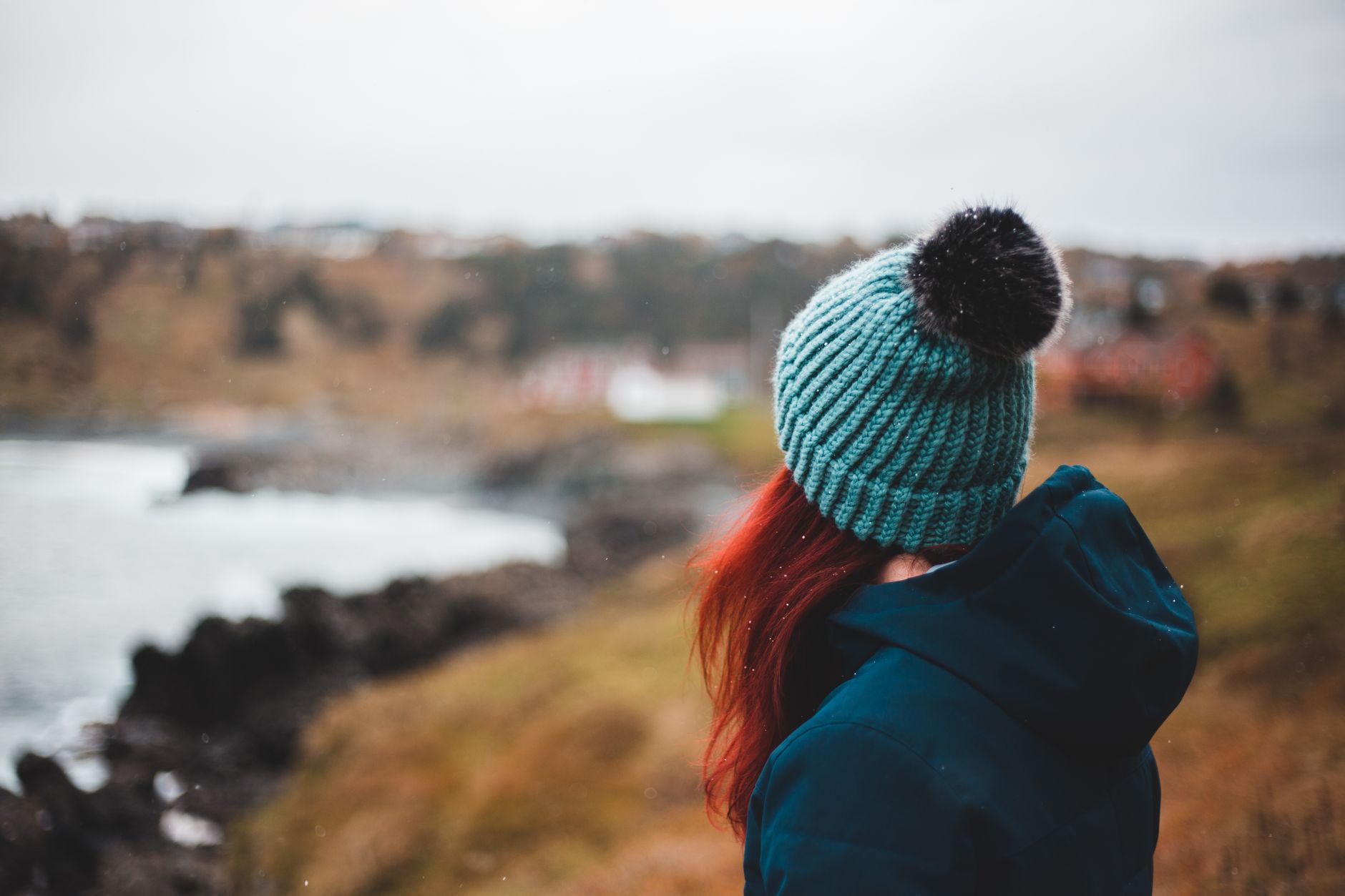
In our bustling Indian society, where family and community ties are paramount, the idea of choosing to be alone might seem counterintuitive. We're often surrounded by noise, people, and a constant hum of activity. But what if we told you that embracing solitude, the state of being alone by choice, can be a powerful tool for your well-being? It’s not about loneliness, that gnawing feeling of isolation; it’s about cultivating a peaceful and fulfilling relationship with yourself. Think of it like a sailor navigating the vast ocean, finding calm amidst the waves. This isn't about rejecting social connections; it's about finding a balance, a personal space where you can recharge, reflect, and grow.
It's absolutely vital to distinguish between solitude and loneliness. Dr. Thuy-vy Nguyen, a researcher in solitude, clarifies this beautifully. Solitude is simply the experience of being alone. It’s a physical state. Loneliness, on the other hand, is a subjective emotional state. It’s a feeling of distress that arises when your social connections don't meet your expectations. You can feel lonely even in a crowded room! Solitude, when chosen, can be a positive, empowering experience. It’s a conscious decision to spend time with yourself, to enjoy your own company. Loneliness, however, is almost always negative, a feeling of being disconnected and unwanted. Kirsten Neuschäfer, a seasoned solo sailor who has spent months alone at sea, highlights this. For her, the real loneliness sometimes creeps in when she's surrounded by people, not when she's charting her own course across the ocean.
Choosing solitude isn't a sign of weakness or social awkwardness; it's a strategic move for mental and emotional health. Research indicates that when we choose to be alone, it can lead to:
A study from 2021 even suggests that for adolescents, spending time alone is as crucial as spending time with peers. Solitary activities, like pursuing hobbies or engaging in art, make this alone time enjoyable and beneficial.
Let's be honest, embracing solitude isn't always easy, especially in a culture that values constant connection. You might feel a pang of guilt, or perhaps a fear of missing out (FOMO). Some studies show that younger adults, despite having larger social networks, report feeling lonely more often than older adults. This loneliness can be amplified by feelings of ‘anti-mattering’ – the sense of being invisible or insignificant. If you feel like you don't matter to others, loneliness can feel even more acute.
So, how do you navigate these feelings and learn to appreciate your own company?
Here are some practical strategies, inspired by experts like Neuschäfer and Nguyen, to help you embrace solitude:
While we're advocating for chosen solitude, it's crucial to recognize when it crosses the line into unhealthy loneliness. If you consistently feel:
…then it might be time to seek support. Loneliness can have serious impacts on both mental and physical health, increasing the risk of depression, anxiety, and even physical ailments.
If you find yourself struggling with persistent feelings of loneliness, sadness, or isolation that interfere with your daily life, please reach out for help. A mental health professional can help you understand the root causes of these feelings and develop coping strategies. They can also guide you in building healthier social connections and improving your self-esteem. Don't hesitate to talk to your doctor if you experience:
Remember, seeking help is a sign of strength, not weakness. Your mental well-being is just as important as your physical health.
Not at all! Healthy solitude is about balance. It's about intentionally taking time for yourself so you can return to social interactions feeling refreshed and more present. It actually enhances your ability to connect meaningfully with others because you're coming from a place of self-fulfillment, not neediness.
This is a common feeling in our culture. Try communicating your needs clearly and lovingly. Explain that this alone time is not a rejection of them, but a necessary part of your self-care routine. Perhaps you can schedule dedicated family time and then clearly define your personal solitude time. Over time, your family will understand and respect your need for personal space.
While both practices involve quiet introspection, they have different focuses. Meditation is a specific technique, often involving focused breathing or awareness, aimed at training the mind and achieving a state of deep relaxation or mindfulness. Solitude is the broader state of being alone by choice, during which you might choose to meditate, or you might engage in other activities like reading, thinking, or pursuing a hobby. You can meditate without being in solitude, and you can be in solitude without meditating.
This is a great starting point for self-discovery! Start by exploring simple, enjoyable activities. Think about what you loved doing as a child. Try listening to podcasts on topics that interest you, learning a new language app, sketching, or simply sitting and observing the world around you without judgment. The goal isn't to fill every second, but to become comfortable and curious about your own inner world.
Embracing solitude is a journey, not a destination. It's about learning to be your own best companion, finding peace in your own presence, and ultimately, leading a more balanced and fulfilling life. It's a choice that empowers you, allowing you to navigate the complexities of life with greater clarity and resilience.
Visit Hospital
Near You
Could your daily coffee habit be protecting your brain? A massive 2026 study following more than 130,000 people for up to 43 years found that people who drank the most caffeinated coffee had an 18% lower risk of dementia. This piece breaks down what the study actually found, why decaf didn't show th
July 23, 2026
Seeking a migraine specialist in Uluberia? Discover where to find expert diagnosis and treatment for severe headaches. Get relief now.
May 20, 2026
Seeking a male fertility doctor in Jalpaiguri? Discover expert insights on male infertility, treatments, and how to find the right specialist.
May 20, 2026