

Emergency & Help
24/7 Emergency & General Advisory
🚨 24/7 Medical Emergency
Non-Emergency Advisory
10:00 AM – 6:00 PM, Mon–Sat
For appointments & general queries.
24/7 Emergency & General Advisory
🚨 24/7 Medical Emergency
Non-Emergency Advisory
10:00 AM – 6:00 PM, Mon–Sat
For appointments & general queries.
Explore the power of emotional sensitivity, understanding it not as a weakness but as a profound strength that fosters empathy, intuition, and deeper connections. Learn practical strategies to manage and embrace your sensitivity for a more fulfilling life.

Have you ever been told, "Don't be so sensitive"? Many of us have heard this phrase throughout our lives, often interpreted as a weakness or a sign of being overly emotional. However, the reality is far more nuanced. Emotional sensitivity, rather than being a flaw, can be a profound strength, offering unique perspectives and deeper connections. This guide explores the multifaceted nature of emotional sensitivity, its impact on our lives, and how to harness it as a powerful asset.
Emotional sensitivity refers to the ability to perceive, understand, and react to the emotional states of oneself and others. Highly sensitive individuals often experience emotions more intensely and may be more attuned to subtle emotional cues. This can manifest as a deep empathy, a rich inner world, and a heightened awareness of their surroundings. It's not about being fragile; it's about having a finely tuned emotional and perceptive system.
For a long time, societal norms have often encouraged stoicism, particularly for men, equating emotional expression with weakness. This can lead individuals to suppress their feelings, viewing them as something to be controlled or hidden. The message of "not being so sensitive" can inadvertently teach us to disconnect from our emotions, leading to a sense of numbness or internalised anger. This suppression, however, doesn't eliminate emotions; it merely redirects their energy, often into less constructive forms like guilt, anxiety, or even physical ailments.
Consider a scenario: A young man, Ravi, is deeply affected by an environmental issue he sees on the news. His friends dismiss his concern, telling him to "toughen up" and that it's "not his problem." Ravi internalises this, feeling ashamed of his strong emotional reaction. Over time, he becomes withdrawn and less engaged with the world around him, feeling a sense of detachment he can't quite explain.
When we learn to embrace our emotional sensitivity, we unlock a wealth of strengths:
While sensitivity offers many gifts, it can also present challenges. Highly sensitive people might:
Learning to manage sensitivity is key to harnessing its strengths. Here are some practical tips:
While sensitivity is a strength, there are times when it can become overwhelming, leading to significant distress. If you experience persistent feelings of anxiety, depression, emotional exhaustion, or find that your sensitivity is hindering your daily life, it's important to reach out for professional support. Therapists, counselors, and doctors can offer guidance and treatment options. Remember, seeking help is a sign of strength, not weakness.
For immediate support in India:
Emotional sensitivity is not a flaw to be overcome but a valuable aspect of human experience. By understanding its roots, acknowledging its challenges, and learning to harness its strengths, you can lead a more fulfilling, connected, and authentic life. Your sensitivity allows you to feel deeply, connect genuinely, and appreciate the world in ways that others may miss. It is, indeed, a strength.
Being sensitive means having a heightened awareness and depth of emotional experience. Being overly emotional might imply a lack of control or an excessive reaction that is disproportionate to the situation. The key is understanding and managing your emotions, rather than suppressing them.
Absolutely. Sensitivity can lead to better teamwork, stronger leadership through empathy, and a deeper understanding of customer needs. It allows for nuanced problem-solving and a more compassionate work environment.
Listen without judgment, validate their feelings, offer support, and respect their need for space or quiet. Avoid dismissive comments like "Don't be so sensitive." Instead, acknowledge their feelings and let them know you're there for them.
Most people do not notice early warning signs right away. That is common. A simple symptom diary, basic routine checks, and timely follow-up visits can prevent small problems from becoming serious.
If you are already on treatment, stay consistent with medicines and lifestyle advice. If your symptoms change, do not guess. Check with a qualified doctor and update your plan early.
Write down symptoms, triggers, and timing for a few days.
Carry old prescriptions and test reports to your consultation.
Ask clearly about side effects, red-flag signs, and follow-up dates.
Seek urgent care for severe pain, breathing trouble, bleeding, fainting, or sudden worsening.
Visit Hospital
Near You
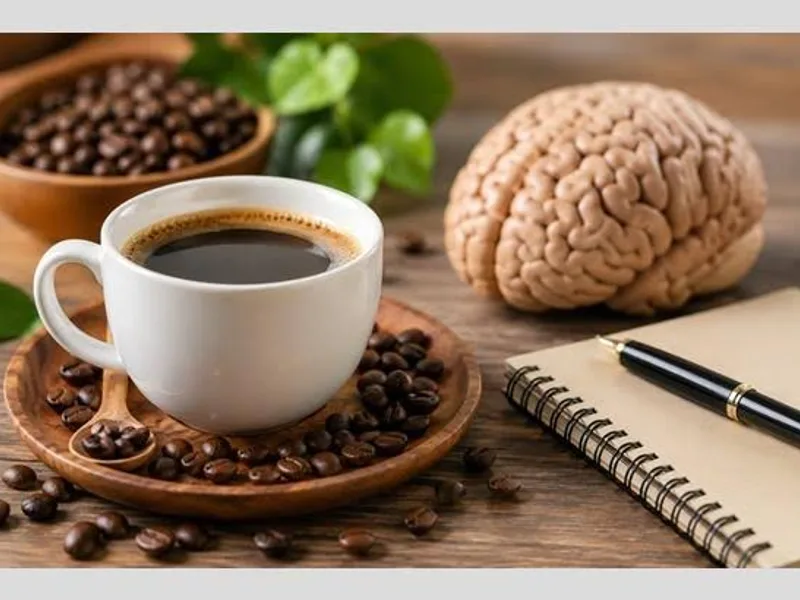
Could your daily coffee habit be protecting your brain? A massive 2026 study following more than 130,000 people for up to 43 years found that people who drank the most caffeinated coffee had an 18% lower risk of dementia. This piece breaks down what the study actually found, why decaf didn't show th
July 23, 2026
Seeking a migraine specialist in Uluberia? Discover where to find expert diagnosis and treatment for severe headaches. Get relief now.
May 20, 2026
Seeking a male fertility doctor in Jalpaiguri? Discover expert insights on male infertility, treatments, and how to find the right specialist.
May 20, 2026