

Emergency & Help
24/7 Emergency & General Advisory
🚨 24/7 Medical Emergency
Non-Emergency Advisory
10:00 AM – 6:00 PM, Mon–Sat
For appointments & general queries.
24/7 Emergency & General Advisory
🚨 24/7 Medical Emergency
Non-Emergency Advisory
10:00 AM – 6:00 PM, Mon–Sat
For appointments & general queries.
Stay updated with our latest healthcare news and your appointments.
Discover why you might feel sad after a concert and learn practical tips to manage post-concert depression and the emotional blues that follow.
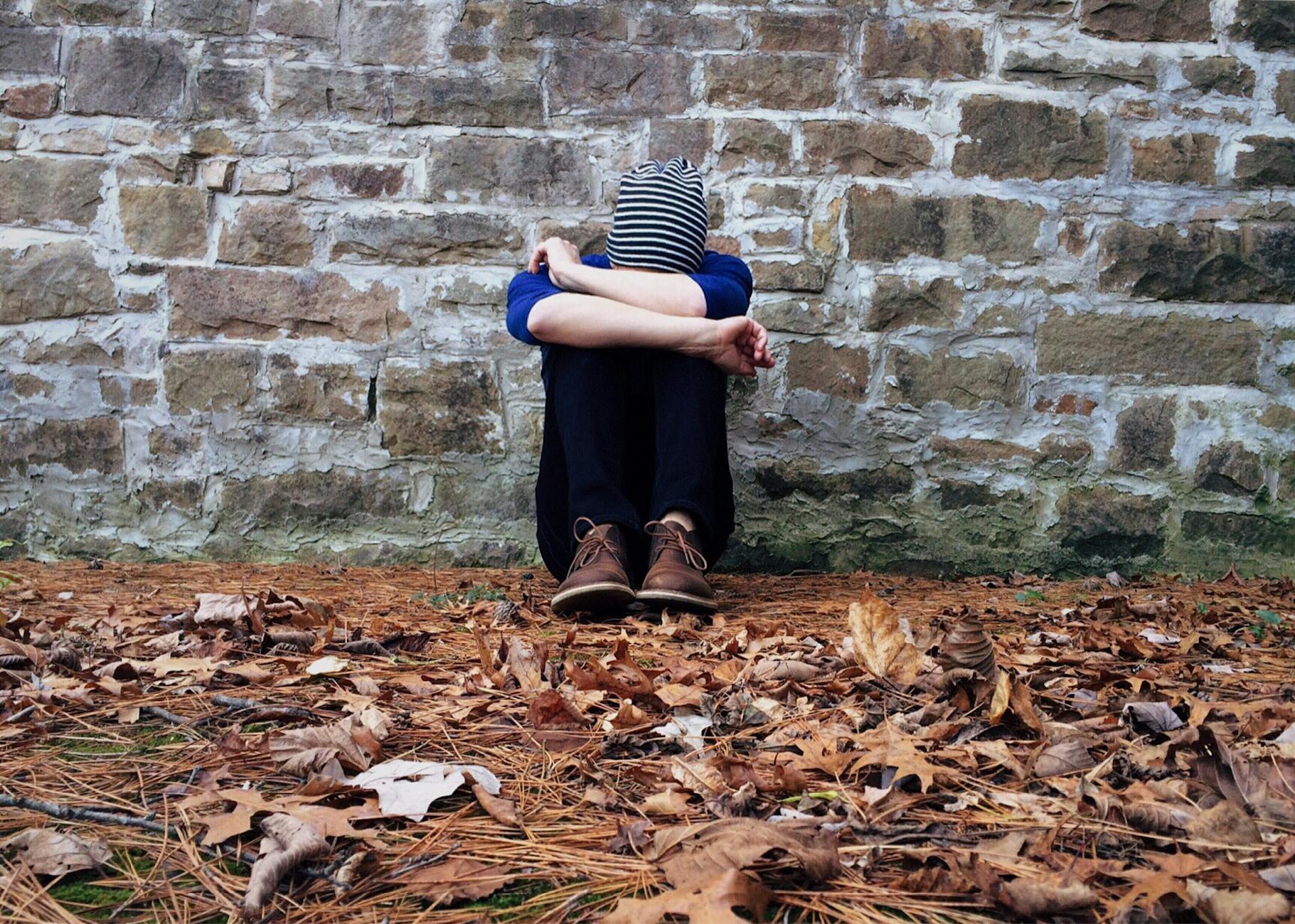
The electrifying energy of a live concert, the shared euphoria with thousands of fellow fans, the music that moves your soul – it's an experience many eagerly anticipate. But what happens when the last note fades, the lights come up, and a wave of sadness washes over you? This phenomenon, often referred to as 'post-concert depression,' describes the feelings of melancholy or low mood that can follow an enjoyable live music event. While not a formal medical diagnosis in the DSM-5, the emotional impact is very real for many.
The intensity of the concert experience, coupled with the abrupt return to everyday life, can create a stark emotional contrast. During the event, our brains are flooded with 'happy hormones' like endorphins and dopamine, contributing to feelings of euphoria and well-being. When the concert ends and these neurochemical levels return to baseline, a comparative dip can lead to feelings of sadness or emptiness. This is a natural physiological response, similar to the 'comedown' experienced after other highly stimulating events.
Furthermore, the anticipation and planning that often go into attending a concert can build up significant excitement. Once the event is over, the lack of that future focus can leave a void. The desire to relive the experience, the realization that it's over and cannot be replicated exactly, and even minor regrets about things missed during the event can contribute to these post-concert blues. For some, the loneliness that follows after a shared experience with friends can also be a significant factor.
The stark contrast between the heightened emotions and sensory stimulation of a concert and the mundane routine of daily responsibilities can be jarring. The return to work, chores, and everyday pressures can feel particularly heavy after the escapism and joy of a live performance. This abrupt transition is a key element in understanding why post-concert depression occurs.
While not a clinical diagnosis, the feelings associated with post-concert depression can manifest in several ways. It's important to distinguish these temporary feelings from clinical depression, which is persistent and pervasive. Symptoms can include:
It's crucial to note that the frequency and intensity of these symptoms can vary greatly. Unlike clinical depression, where symptoms are typically present most of the day, every day, for at least two weeks, post-concert blues are often episodic and tend to resolve within a few weeks. However, for some, these feelings might linger longer.
The emotional rollercoaster after a concert is rooted in our brain chemistry and psychology. Here's a breakdown:
Concerts are highly stimulating events. The music, the crowd, the lights – all contribute to a surge in neurotransmitters like dopamine and endorphins. These chemicals are associated with pleasure, reward, and euphoria. When the concert ends, these levels naturally decrease, leading to a comparative dip in mood. This is a normal physiological response, but it can feel like sadness.
The intense joy and excitement experienced during a concert create a high point. When this is immediately followed by the return to everyday life, the contrast can feel stark and even depressing. The mundane reality can seem dull and unappealing compared to the vibrant experience of the concert. This psychological contrast can amplify feelings of sadness.
For many, concerts are significant events that are planned for months in advance. The anticipation builds, and the event becomes a focal point. Once it's over, there can be a sense of loss – the loss of that anticipated future, the loss of that specific experience, and the loss of the heightened emotional state. This can lead to longing and a feeling of 'what now?'
Attending concerts, especially with friends, fosters a strong sense of social connection and belonging. When the event ends and individuals return to their separate lives, the absence of that shared experience and social interaction can lead to feelings of loneliness, further contributing to a low mood.
Sometimes, the concert experience might not fully meet expectations, or individuals might have minor regrets, such as missing a favorite song due to long queues or not purchasing merchandise. These small disappointments can add to the overall feeling of dissatisfaction after the event.
While post-concert depression is not a formal diagnosis, the feelings are valid and can be managed. Here are some practical strategies:
For most people, post-concert blues are temporary and resolve on their own. However, it's important to be aware of the signs that might indicate a more serious underlying issue, such as clinical depression. Consult a doctor or mental health professional if:
Remember, seeking help is a sign of strength. Mental health professionals can provide support, coping strategies, and treatment if needed. In India, you can reach out to helplines like AASRA (9820466726) or Vandrevala Foundation (1860-2662-345) for immediate support.
While you can't always prevent the emotional dip entirely, you can take steps to mitigate its intensity:
Post-concert depression, though not a clinical diagnosis, highlights the profound impact music and shared experiences have on our emotional well-being. By understanding the underlying reasons for these feelings and employing practical coping strategies, you can navigate the post-concert blues more effectively. Remember to be kind to yourself, prioritize self-care, and seek professional help if your feelings persist or become overwhelming. The joy of live music is a wonderful thing, and with a little awareness and self-compassion, you can enjoy the performance and manage the echoes it leaves behind.
Visit Hospital
Near You

Could your daily coffee habit be protecting your brain? A massive 2026 study following more than 130,000 people for up to 43 years found that people who drank the most caffeinated coffee had an 18% lower risk of dementia. This piece breaks down what the study actually found, why decaf didn't show th
July 23, 2026
Seeking a migraine specialist in Uluberia? Discover where to find expert diagnosis and treatment for severe headaches. Get relief now.
May 20, 2026
Seeking a male fertility doctor in Jalpaiguri? Discover expert insights on male infertility, treatments, and how to find the right specialist.
May 20, 2026