

Emergency & Help
24/7 Emergency & General Advisory
🚨 24/7 Medical Emergency
Non-Emergency Advisory
10:00 AM – 6:00 PM, Mon–Sat
For appointments & general queries.
24/7 Emergency & General Advisory
🚨 24/7 Medical Emergency
Non-Emergency Advisory
10:00 AM – 6:00 PM, Mon–Sat
For appointments & general queries.
Stay updated with our latest healthcare news and your appointments.
Feeling insecure about your appearance? You're not alone. Discover practical strategies to cope with 'ugly' days, understand the impact of societal pressures, and know when to seek professional help.

Have you ever looked in the mirror and thought, "I'm just so ugly today"? You're definitely not the only one. We all have those moments, those days, those stretches of time where we feel like our reflection just isn't cutting it. It’s a deeply human experience, a feeling that can crop up unexpectedly and cast a shadow over our day, our week, or even longer. In India, where societal expectations and family pressures can often amplify these feelings, navigating appearance-related insecurities can feel like an uphill battle. But here’s the truth: these feelings, while powerful, don't define your worth. Let's talk about why these thoughts creep in, what they might mean, and most importantly, how you can start to feel better about yourself, your body, and your unique beauty. The Weight of Societal Expectations and Media Portrayals Let's be honest, the world we live in often bombards us with images of 'perfect' people. Think about the glossy magazines, the endlessly scrolling social media feeds, even the movies and TV shows. What do you see? Often, it's airbrushed models, perfectly sculpted celebrities, and influencers who seem to have it all figured out. But here's a secret: much of what you see is a carefully constructed illusion. Behind those stunning photos are often teams of stylists, makeup artists, flattering lighting, and yes, a generous dose of digital editing. It’s incredibly easy to fall into the trap of comparing yourself to these curated realities. You might look at yourself and feel a pang of inadequacy, thinking, "Why don't I look like that?" This pressure is particularly intense in India, where traditional notions of beauty often intersect with modern media influences. Family opinions, community comments, and the general societal emphasis on appearance can make these feelings even more acute. When you internalize these messages, you might start believing that your facial features, your body shape, or your skin tone are the primary reasons for your popularity, your success, or your ability to find a partner. It's a heavy burden to carry, and it's completely understandable if it wears down your self-confidence and self-worth. When Does It Go Beyond a Bad Day? Understanding Body Dysmorphic Disorder (BDD) For most of us, feeling a bit off about our looks is temporary. We shake it off, focus on other things, and move on. But for some, these feelings are persistent, intense, and can significantly disrupt their lives. This is where we need to talk about Body Dysmorphic Disorder, or BDD. BDD isn't just about being a bit self-conscious; it's a mental health condition where a person becomes excessively preoccupied with perceived flaws in their appearance. These 'flaws' are often minor or even unnoticeable to others. People with BDD might spend hours scrutinizing their reflection, trying to 'fix' their perceived imperfections, feeling intense distress about them, or going to great lengths to hide them. Common signs of BDD can include: Spending a significant amount of time thinking about perceived flaws (e.g., a specific feature like the nose, skin, or hair). Constantly comparing your appearance to others. Seeking reassurance from others about your appearance. Engaging in compulsive behaviors, such as excessive grooming, skin picking, or repeatedly checking mirrors. Avoiding social situations or public places due to fear of being judged for your appearance. Feeling significant emotional distress, anxiety, or depression related to your appearance. BDD affects a surprising number of people, with estimates suggesting it’s quite common, particularly developing during adolescence. If these descriptions resonate deeply with you, and these feelings are impacting your daily life, it's essential to seek professional help. You don't have to navigate this alone. The Link Between Appearance and Other Mental Health Concerns It's also important to understand that our feelings about our appearance are often intertwined with our overall mental well-being. Certain mental health conditions can significantly influence how we see ourselves, including our physical appearance. Depression: When you're struggling with depression, your self-esteem can plummet. You might feel worthless, hopeless, and find it incredibly hard to engage in self-care. This can create a vicious cycle, where feeling down makes you neglect yourself, which in turn makes you feel worse about your appearance and your overall state. Eating Disorders: Poor body image is a significant factor in many eating disorders. Beyond just weight or body shape concerns, individuals might fixate on other aspects of their appearance, believing these perceived flaws contribute to their overall unattractiveness. Recognizing these connections is the first step towards healing. If you suspect you might be struggling with depression or an eating disorder, seeking help from a mental health professional is vital. Practical Strategies to Cope with Appearance Insecurities So, what can you do when those "I'm so ugly" days hit? Here are some practical, actionable strategies you can try, keeping in mind that progress takes time and self-compassion: Challenge Your Thoughts: When a negative thought about your appearance pops up, try to question it. Is it really true? What evidence do you have? Often, these thoughts are distorted or based on unrealistic standards. Practice reframing these thoughts into more balanced and realistic ones. For example, instead of "My nose is huge and ugly," try "My nose is a unique feature of my face, and it doesn't define me." Practice Body Positivity (or Neutrality): This doesn't mean you have to suddenly love every inch of yourself. Start small. Acknowledge what your body can do for you. Be grateful for its functions. Practice saying kind things to yourself in the mirror, or at least neutral observations. Focus on health and well-being rather than just aesthetics. Be Aware of the 'Spotlight Effect': This is the tendency to overestimate how much other people notice our flaws or peculiarities. In reality, most people are far more concerned with their own lives and insecurities than they are with yours. They are likely not scrutinizing your appearance the way you are. Curate Your Social Media Feed: Unfollow accounts that consistently make you feel bad about yourself. Follow accounts that promote body diversity, self-acceptance, and positive messages. Remember that social media is often a highlight reel, not reality. Focus on Non-Physical Traits: Remind yourself of all the wonderful qualities you possess that have nothing to do with your looks. Are you kind? Funny? Intelligent? Creative? Loyal? Focus on developing these aspects of yourself and nurturing relationships based on shared values and genuine connection, not just appearance. Engage in Activities You Enjoy: When you feel good about what you're doing, it can positively impact how you feel about yourself. Pursue hobbies, spend time with loved ones, learn a new skill, or get involved in your community. Doing things that bring you joy and a sense of accomplishment can boost your self-esteem. Practice Self-Care: This goes beyond just pampering. It means getting enough sleep, eating nourishing food, staying physically active in a way that feels good for your body, and setting healthy boundaries. Taking care of your physical health can have a profound impact on your mental health and self-perception. When to Seek Professional Help While these strategies can be incredibly helpful, sometimes professional support is necessary. You should consider reaching out to a mental health professional, such as a therapist or counselor, if: Feelings of ugliness or dissatisfaction with your appearance are persistent and difficult to escape. You have a strong fixation on certain body parts, spending excessive time thinking about or trying to change them. These feelings are negatively impacting your daily life, relationships, work, or overall happiness. You suspect you might have Body Dysmorphic Disorder (BDD), depression, or an eating disorder. A therapist can help you explore the root causes of these feelings, develop effective coping mechanisms, and work towards a healthier, more accepting relationship with yourself and your body. There are many wonderful therapists available, and finding the right one can make a world of difference. A Final Thought on Imperfection Remember, every single person on this planet is imperfect. Flaws are not weaknesses; they are part of what makes us uniquely human. True beauty isn't about conforming to some impossible standard; it's about embracing who you are, inside and out. It's about kindness, resilience, intelligence, and the connections we build. So, the next time you're having one of those "ugly" days, try to be gentle with yourself. You are more than your appearance, and you are absolutely worthy of love and acceptance, just as you are. Frequently Asked Questions (FAQ) Q1: Is it normal to feel unattractive sometimes? Yes, it is completely normal for everyone to have days or periods where they feel less attractive or confident about their appearance. Societal pressures and personal insecurities can contribute to these feelings. Q2: What is the difference between normal self-consciousness and Body Dysmorphic Disorder (BDD)? Normal self-consciousness is typically temporary and doesn't significantly interfere with daily life. BDD, on the other hand, involves obsessive preoccupation with perceived flaws that are often minor or nonexistent to others, causing significant distress and impacting functioning. Q3: Can social media really make me feel worse about my looks? Yes,
In summary, timely diagnosis, evidence-based treatment, and prevention-focused care improve long-term health outcomes.
Visit Hospital
Near You
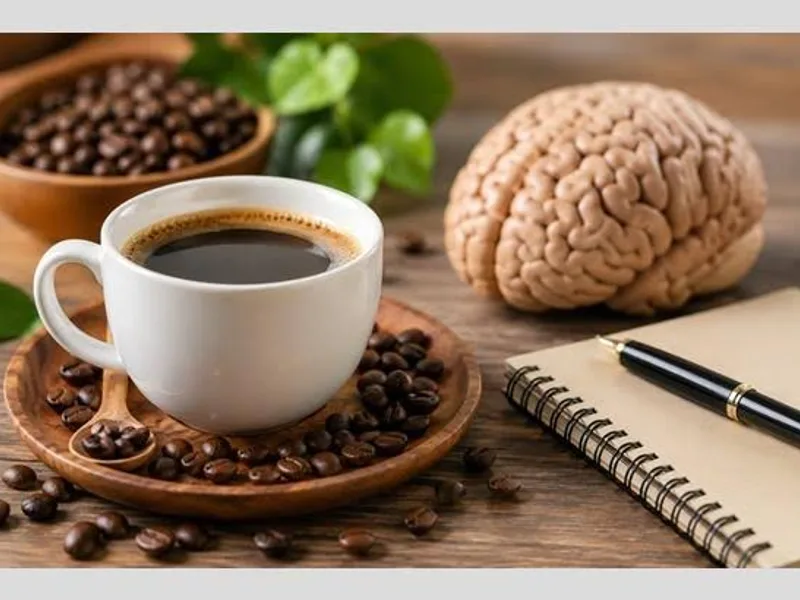
Could your daily coffee habit be protecting your brain? A massive 2026 study following more than 130,000 people for up to 43 years found that people who drank the most caffeinated coffee had an 18% lower risk of dementia. This piece breaks down what the study actually found, why decaf didn't show th
July 23, 2026
Seeking a migraine specialist in Uluberia? Discover where to find expert diagnosis and treatment for severe headaches. Get relief now.
May 20, 2026
Seeking a male fertility doctor in Jalpaiguri? Discover expert insights on male infertility, treatments, and how to find the right specialist.
May 20, 2026