

Emergency & Help
24/7 Emergency & General Advisory
🚨 24/7 Medical Emergency
Non-Emergency Advisory
10:00 AM – 6:00 PM, Mon–Sat
For appointments & general queries.
24/7 Emergency & General Advisory
🚨 24/7 Medical Emergency
Non-Emergency Advisory
10:00 AM – 6:00 PM, Mon–Sat
For appointments & general queries.
Discover how fidget toys can be a simple yet effective tool for managing anxiety, improving focus, and releasing pent-up energy. Explore different types and find the best fit for you.
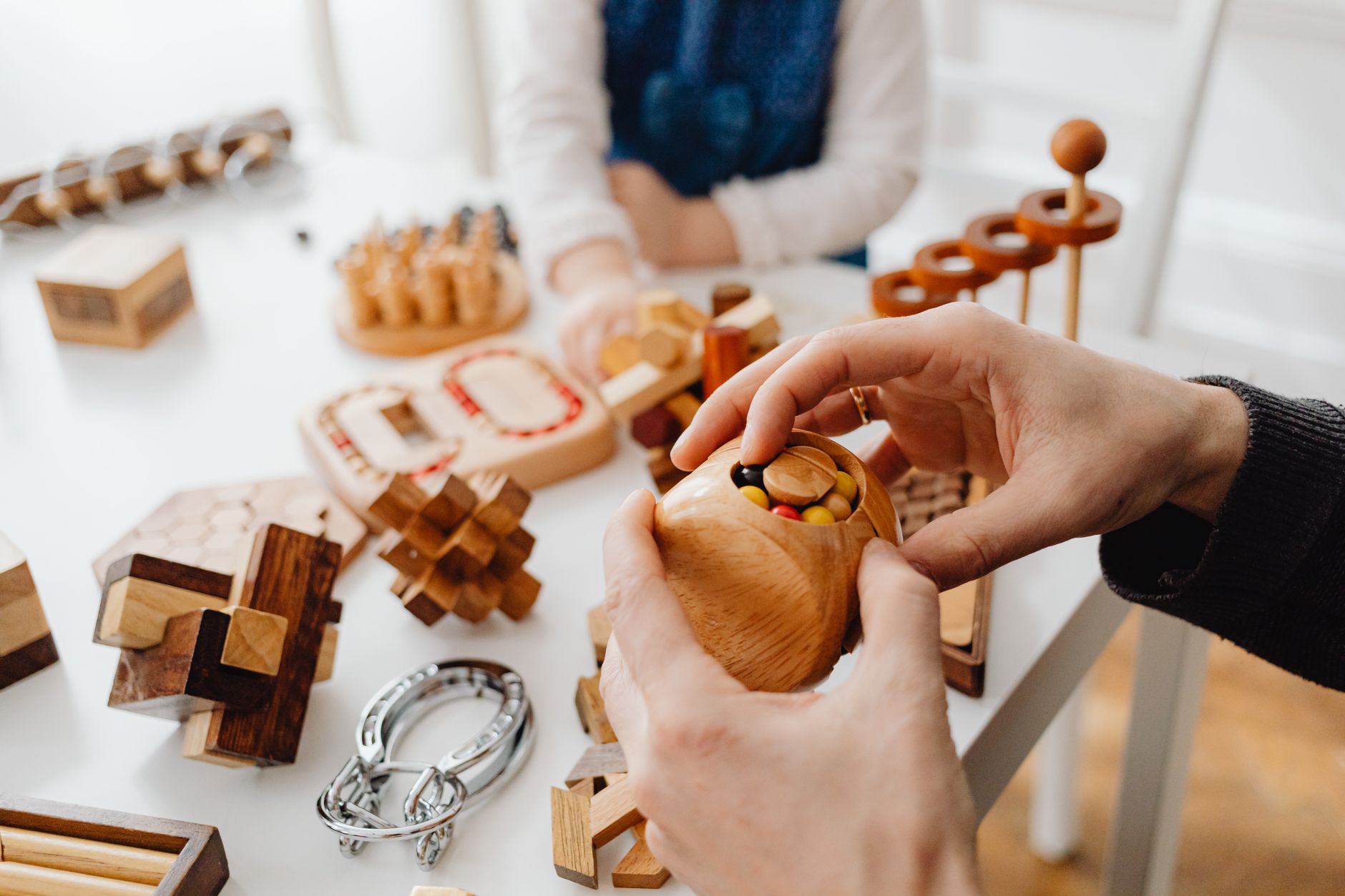
In today's fast-paced world, anxiety has become an unwelcome companion for many. Whether it's the pressure of work deadlines, the constant buzz of social media, or personal life challenges, feelings of unease and restlessness can be overwhelming. For some, this manifests as a need to fidget – to tap their feet, twirl a pen, or play with their hair. While these actions might seem like mere nervous habits, they often serve as an unconscious attempt to channel pent-up energy and find a sense of calm. This is where fidget toys come into play. These small, often discreet objects are designed to provide a physical outlet for this restless energy, offering a tangible way to manage anxious thoughts and improve focus.
The concept of fidgeting isn't new. Humans have always found ways to occupy their hands when feeling stressed or bored. Think of worry stones, stress balls, or even simply doodling. Fidget toys are essentially a modern, more diverse evolution of these traditional methods. They range from simple spinners and cubes to more sophisticated sensory tools, catering to a wide array of preferences and needs. While scientific research on their effectiveness is still evolving, with some studies suggesting short-term benefits for stress relief and concentration, and others pointing to potential distractions, the anecdotal evidence from countless individuals is compelling. Many people with anxiety report that using fidget toys helps them feel more grounded, present, and in control.
The underlying principle behind fidget toys is simple: they provide a focused physical activity that can divert attention from anxious thoughts. When you're feeling anxious, your body releases stress hormones, leading to a build-up of nervous energy. This energy often needs an outlet, and without one, it can lead to behaviors like nail-biting, hair-twirling, or excessive leg-bouncing. Fidget toys offer a constructive and socially acceptable way to channel this energy. By engaging your hands and mind in a repetitive, non-disruptive action, these toys can:
It's important to understand that fidget toys aren't a cure for anxiety. They are tools, much like a deep breathing exercise or a mindfulness practice, that can be incorporated into a broader anxiety management strategy. Their effectiveness can vary greatly from person to person and depends on the individual's specific needs and the type of fidget toy used.
Imagine Priya, a young professional who experiences significant anxiety before and during doctor's visits. The sterile environment, the waiting, and the anticipation of potentially bad news often leave her feeling jittery, her heart pounding, and her mind racing. On her last visit, she brought a small, discreet fidget ring. As she sat in the waiting room, she found herself subtly twisting the band on her finger. During the consultation, when the doctor asked her to describe her symptoms, she found that the gentle, repetitive motion helped her to articulate her feelings more clearly, rather than getting lost in a flood of anxious thoughts. The fidget ring provided a quiet anchor, allowing her to feel more present and less overwhelmed.
The world of fidget toys is vast and varied. What works for one person might not work for another, so exploring different types is key. Here are some popular categories:
These were among the first fidget toys to gain widespread popularity. Spinners provide a satisfying rotational motion, while cubes offer multiple tactile experiences on each of their six sides, such as buttons, gears, and joysticks. They are often good for channeling excess physical energy and can be quite engrossing.
Classic for a reason, stress balls and therapeutic doughs allow for squeezing, squishing, and molding. These actions can be incredibly satisfying and help release tension held in the hands and arms. Many stress doughs are infused with calming scents like lavender, adding an aromatherapy element to the experience.
For those who find themselves chewing on pens, nails, or clothing when anxious, chewable fidgets offer a safe and hygienic alternative. Made from durable, food-grade silicone, these come in various forms like necklaces, bracelets, or pencil toppers. They provide oral sensory input that can be very calming and reduce the urge to chew on inappropriate items.
These focus on providing interesting sensory experiences through touch. Examples include textured balls, interlocking rings, or smooth, sculpted objects. The act of rubbing, rolling, or manipulating these items can be very grounding and soothing.
For individuals who benefit from a more engaging mental challenge, these fidgets offer a way to occupy the mind more actively. Think of mini Rubik's cubes, magnetic building sets, or intricate interlocking pieces. They require more focus and can be excellent for improving concentration.
Selecting the best fidget toy involves considering your personal preferences and the situations in which you'll use it. Here are some factors to keep in mind:
While fidget toys can be beneficial, it's important to acknowledge their limitations and potential drawbacks:
Fidget toys can be a helpful addition to your anxiety management toolkit, but they are not a substitute for professional medical advice or treatment. If your anxiety is:
It is essential to consult a doctor or a mental health professional. They can provide an accurate diagnosis, discuss treatment options like therapy (cognitive behavioral therapy, dialectical behavior therapy), medication, or a combination of approaches, and help you develop a comprehensive plan to manage your anxiety effectively.
Visit Hospital
Near You

Could your daily coffee habit be protecting your brain? A massive 2026 study following more than 130,000 people for up to 43 years found that people who drank the most caffeinated coffee had an 18% lower risk of dementia. This piece breaks down what the study actually found, why decaf didn't show th
July 23, 2026
Seeking a migraine specialist in Uluberia? Discover where to find expert diagnosis and treatment for severe headaches. Get relief now.
May 20, 2026
Seeking a male fertility doctor in Jalpaiguri? Discover expert insights on male infertility, treatments, and how to find the right specialist.
May 20, 2026