

Emergency & Help
24/7 Emergency & General Advisory
🚨 24/7 Medical Emergency
Non-Emergency Advisory
10:00 AM – 6:00 PM, Mon–Sat
For appointments & general queries.
24/7 Emergency & General Advisory
🚨 24/7 Medical Emergency
Non-Emergency Advisory
10:00 AM – 6:00 PM, Mon–Sat
For appointments & general queries.
Discover safe and effective alternatives to self-harm when emotions become overwhelming. Learn practical coping strategies and find support.
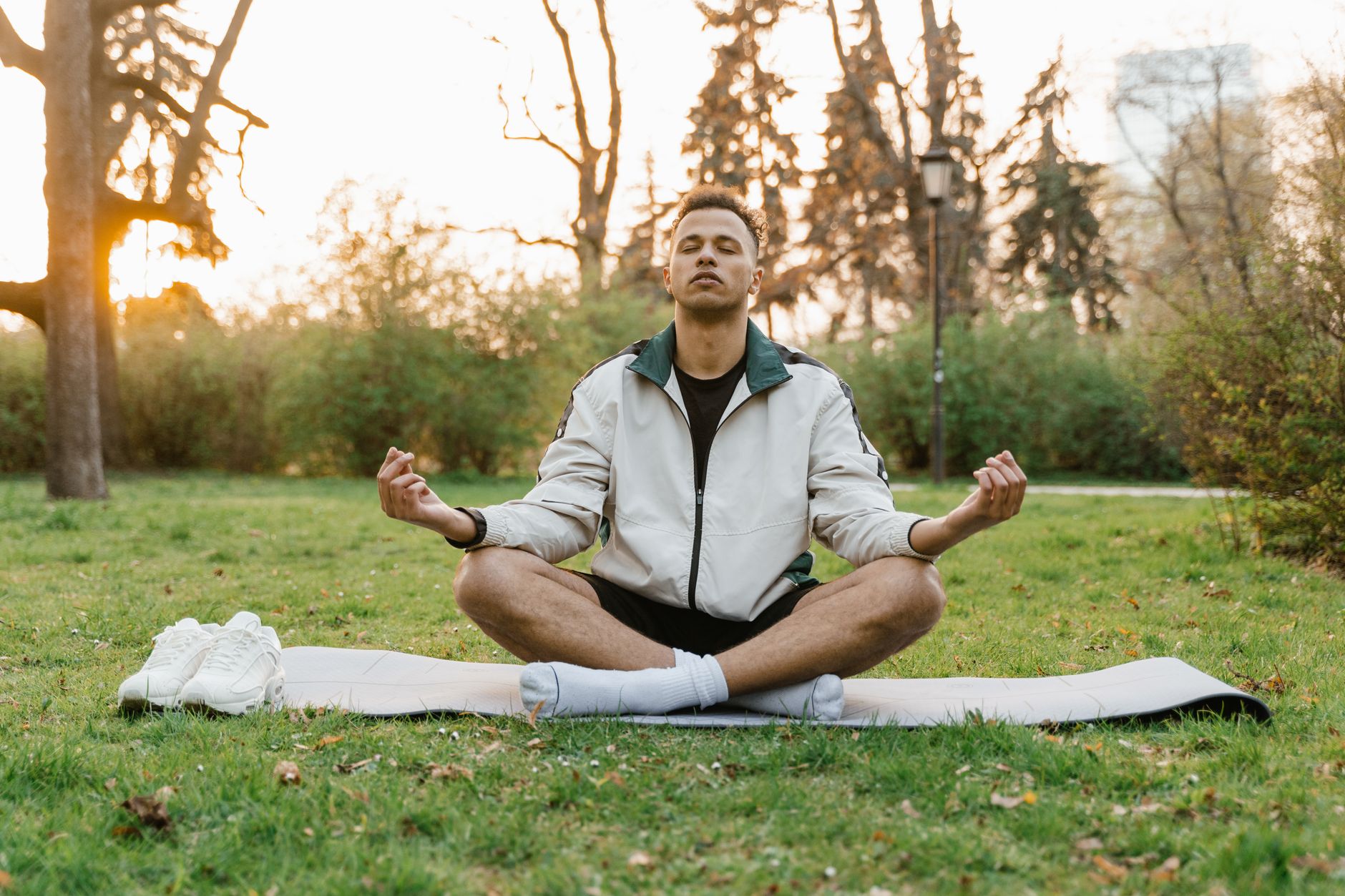
When difficult emotions feel too much to bear, the urge to self-harm can feel overpowering. It might seem like a way to release intense pain, express feelings you can't voice, or simply feel something when you're numb. However, self-harm brings its own set of problems: physical injury, potential for long-term scarring, and often a lingering sense of guilt or shame. It doesn't solve the underlying emotional distress and can even prevent you from seeking the help that truly makes a difference.
Many people who self-harm understand it's not a healthy coping mechanism, yet stopping the impulse in a moment of crisis can feel incredibly challenging. The good news is that there are effective alternatives. These strategies can offer immediate relief and, more importantly, help you manage emotional pain in a constructive way over time. You don't have to go through this alone, and support is readily available.
Before exploring alternatives, it's helpful to understand what self-harm might be trying to achieve for you. When the impulse strikes, try to pause and ask yourself:
Identifying the root of the impulse can guide you toward a more beneficial coping strategy. For example:
Sometimes, simply changing your surroundings can provide the distraction needed for the urge to pass. Getting away from your immediate environment, especially if self-harm tools are present, can be a powerful first step. Nature, in particular, has a remarkable calming effect.
You don't need a grand expedition. Start small:
Even these small steps can create enough distance from the urge to allow it to subside.
Physical activity is a fantastic way to release pent-up emotions, distract your mind, and boost your mood. While the last thing you might feel like doing is exercising, even gentle movement can make a significant difference. Think about activities that don't require a lot of energy or equipment.
Consider these simple options:
The
Most people do not notice early warning signs right away. That is common. A simple symptom diary, basic routine checks, and timely follow-up visits can prevent small problems from becoming serious.
If you are already on treatment, stay consistent with medicines and lifestyle advice. If your symptoms change, do not guess. Check with a qualified doctor and update your plan early.
Write down symptoms, triggers, and timing for a few days.
Carry old prescriptions and test reports to your consultation.
Ask clearly about side effects, red-flag signs, and follow-up dates.
Seek urgent care for severe pain, breathing trouble, bleeding, fainting, or sudden worsening.
Visit Hospital
Near You

Could your daily coffee habit be protecting your brain? A massive 2026 study following more than 130,000 people for up to 43 years found that people who drank the most caffeinated coffee had an 18% lower risk of dementia. This piece breaks down what the study actually found, why decaf didn't show th
July 23, 2026
Seeking a migraine specialist in Uluberia? Discover where to find expert diagnosis and treatment for severe headaches. Get relief now.
May 20, 2026
Seeking a male fertility doctor in Jalpaiguri? Discover expert insights on male infertility, treatments, and how to find the right specialist.
May 20, 2026