

Emergency & Help
24/7 Emergency & General Advisory
🚨 24/7 Medical Emergency
Non-Emergency Advisory
10:00 AM – 6:00 PM, Mon–Sat
For appointments & general queries.
24/7 Emergency & General Advisory
🚨 24/7 Medical Emergency
Non-Emergency Advisory
10:00 AM – 6:00 PM, Mon–Sat
For appointments & general queries.
Explore various meditation types like mindfulness, TM, walking, yoga, and more. Learn how to start and find the practice that brings you peace and focus.
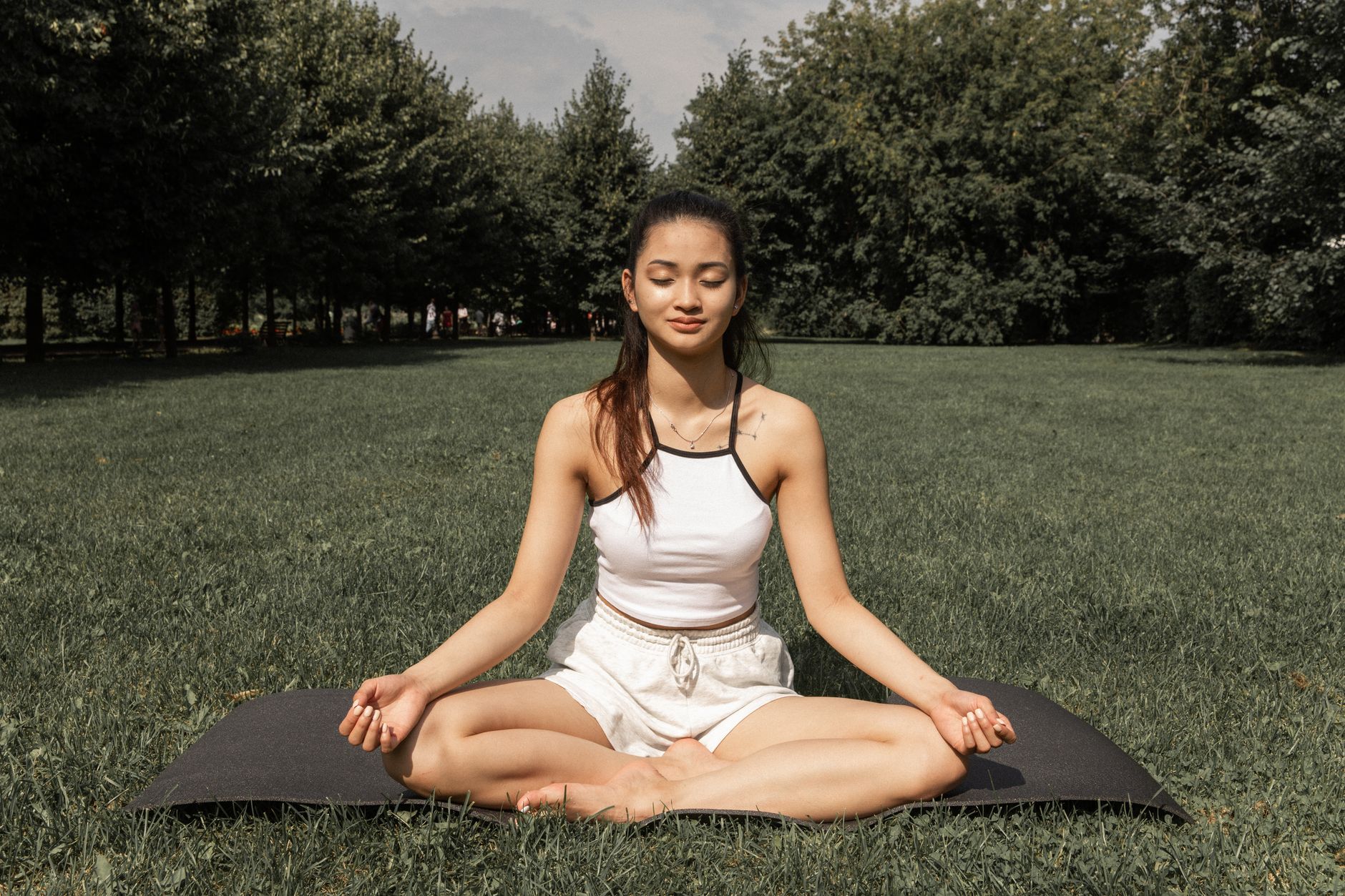
In today's fast-paced world, managing stress and finding inner peace can feel like a constant battle. Many of us juggle work, family, and social commitments, leaving little time for ourselves. You might be feeling overwhelmed, anxious, or simply disconnected. If this sounds familiar, you're not alone. Fortunately, a time-tested practice offers a powerful solution: meditation. For thousands of years, people have turned to meditation to cultivate awareness, sharpen focus, and achieve a sense of calm. It's a technique that helps you connect with your body and breath, develop acceptance for challenging emotions, and even explore altered states of consciousness. The physical and psychological benefits are significant, ranging from reduced stress to improved immunity. While meditation has roots in many spiritual traditions, the practice itself is secular and can be embraced by anyone seeking tranquility and balance, regardless of their beliefs. It offers a sanctuary from the chaos of modern life.
Meditation is more than just sitting quietly; it's an active process of training your mind. It can help you navigate the demands of daily life with greater ease. Research consistently shows its positive impact. For instance, studies suggest that non-transcendental meditation can help lower blood pressure. Mindfulness-based programs have been shown to reduce cortisol, the stress hormone, in working professionals. Furthermore, meditation may even contribute to healthy aging and can be a valuable complementary therapy for depression and anxiety, with benefits that can last for months.
A 2018 review highlighted how meditation can lead to decreased cognitive decline, reduced perceived stress, and an enhanced quality of life. It can also improve brain connectivity and blood flow. While research into its effects on chronic pain is ongoing, early findings suggest a small decrease in pain for some individuals. The key is finding a meditation practice that resonates with you. There isn't a single 'right' way to meditate; it's about discovering what feels comfortable and encouraging for your personal journey.
While the core aim of meditation is to achieve a state of mindful awareness, different techniques approach this goal in unique ways. Understanding these variations can help you choose a practice that best suits your personality, lifestyle, and objectives. Here are some of the most widely recognized meditation types:
Originating from Buddhist traditions, mindfulness meditation is perhaps the most well-known and researched form in the West. The practice involves paying attention to your thoughts, feelings, bodily sensations, and surrounding environment without judgment. You observe your thoughts as they arise and pass, noticing any patterns without getting caught up in them. This can be done by focusing on your breath, bodily sensations, or external sounds. The goal is to cultivate present-moment awareness and acceptance.
Transcendental Meditation is a specific, mantra-based technique. Practitioners silently repeat a personalized mantra, a sound or word, to help settle the mind and promote a state of deep relaxation and inner stillness. It's typically practiced for 15-20 minutes twice a day. TM is known for its simplicity and ease of practice, as it doesn't require concentration or contemplation. It aims to allow the mind to settle down naturally to quieter levels of awareness.
This practice integrates mindful awareness with the physical act of walking. Instead of sitting, you focus on the sensation of walking – the feeling of your feet touching the ground, the movement of your body, and the rhythm of your steps. It's an excellent option for those who find sitting still challenging or who want to incorporate mindfulness into their daily activities. You can practice walking meditation indoors or outdoors, paying attention to the environment around you as well.
Yoga, particularly styles like Hatha or Vinyasa, often incorporates meditative elements. The focus is on the connection between breath, body, and mind. Through various postures (asanas) and controlled breathing techniques (pranayama), yoga aims to calm the nervous system, improve flexibility, and foster a sense of inner peace. The mindful movement and breathwork help to anchor you in the present moment.
Meaning 'to see things as they really are,' Vipassanā is an ancient Indian meditation technique. It involves observing your breath and bodily sensations with equanimity, aiming to gain insight into the true nature of reality. It's a rigorous practice that encourages deep self-observation and the development of wisdom. This often involves extended periods of silent retreat.
Zazen, a core practice in Zen Buddhism, emphasizes sitting meditation. The focus is often on the breath, or simply on being present with whatever arises in your awareness. Practitioners may adopt specific postures, such as the lotus or half-lotus position, and maintain an upright yet relaxed stance. The emphasis is on direct experience and intuitive understanding rather than intellectual analysis.
This practice cultivates feelings of warmth, kindness, and compassion towards oneself and others. You typically begin by directing loving-kindness towards yourself, then gradually extend these feelings to loved ones, acquaintances, difficult people, and eventually all beings. It's a powerful way to counter negative emotions and foster a more compassionate outlook on life.
Often practiced within a religious or spiritual context, this type of meditation aims to deepen one's connection with a higher power or explore spiritual meaning. It might involve prayer, chanting, or contemplation of spiritual texts. The goal is to foster a sense of unity, purpose, and transcendence.
A popular mindfulness technique, the body scan involves systematically bringing awareness to different parts of the body, from the toes to the head. You observe any sensations – warmth, coolness, tingling, tension, or comfort – without judgment. This practice helps to increase body awareness, release physical tension, and ground you in the present moment.
Starting a meditation practice doesn't need to be complicated. Here are some simple steps to begin your journey:
Consider setting a timer so you don't have to worry about the time. As you become more comfortable, you can gradually increase the duration of your sits.
While meditation is generally safe and beneficial for most people, it's important to be aware of certain situations. If you have a history of severe trauma, psychosis, or certain mental health conditions, it's advisable to consult with a healthcare professional or a qualified meditation teacher before starting. Some intense meditation practices might bring up difficult emotions or memories, and having professional support can be invaluable. If you experience any significant distress or worsening of symptoms during meditation, please seek professional help.
No, meditation itself is not inherently religious. While it's a part of many spiritual and religious traditions, its core practices of focusing the mind and cultivating awareness can be practiced by anyone, regardless of their faith or beliefs.
The timeline for experiencing benefits varies from person to person. Some individuals notice a sense of calm almost immediately, while others find that consistent practice over weeks or months yields more profound changes, such as reduced anxiety or improved focus.
Absolutely! If sitting still is difficult, try walking meditation, mindful movement through yoga, or even simply focusing on your breath while lying down. The key is finding a method that works for your body and mind.
A busy mind is precisely why many people turn to meditation! It's a common experience. The practice isn't about stopping thoughts, but about learning to observe them without judgment and gently returning your focus. Each time you bring your attention back, you're strengthening your mental 'muscle.'
Overall, early action and medically verified advice remain the safest approach.
Visit Hospital
Near You

Could your daily coffee habit be protecting your brain? A massive 2026 study following more than 130,000 people for up to 43 years found that people who drank the most caffeinated coffee had an 18% lower risk of dementia. This piece breaks down what the study actually found, why decaf didn't show th
July 23, 2026
Seeking a migraine specialist in Uluberia? Discover where to find expert diagnosis and treatment for severe headaches. Get relief now.
May 20, 2026
Seeking a male fertility doctor in Jalpaiguri? Discover expert insights on male infertility, treatments, and how to find the right specialist.
May 20, 2026