

Emergency & Help
24/7 Emergency & General Advisory
🚨 24/7 Medical Emergency
Non-Emergency Advisory
10:00 AM – 6:00 PM, Mon–Sat
For appointments & general queries.
24/7 Emergency & General Advisory
🚨 24/7 Medical Emergency
Non-Emergency Advisory
10:00 AM – 6:00 PM, Mon–Sat
For appointments & general queries.
Discover guided imagery, a powerful mental technique to reduce stress, anxiety, pain, and improve sleep. Learn how to practice it at home for a calmer, healthier you.
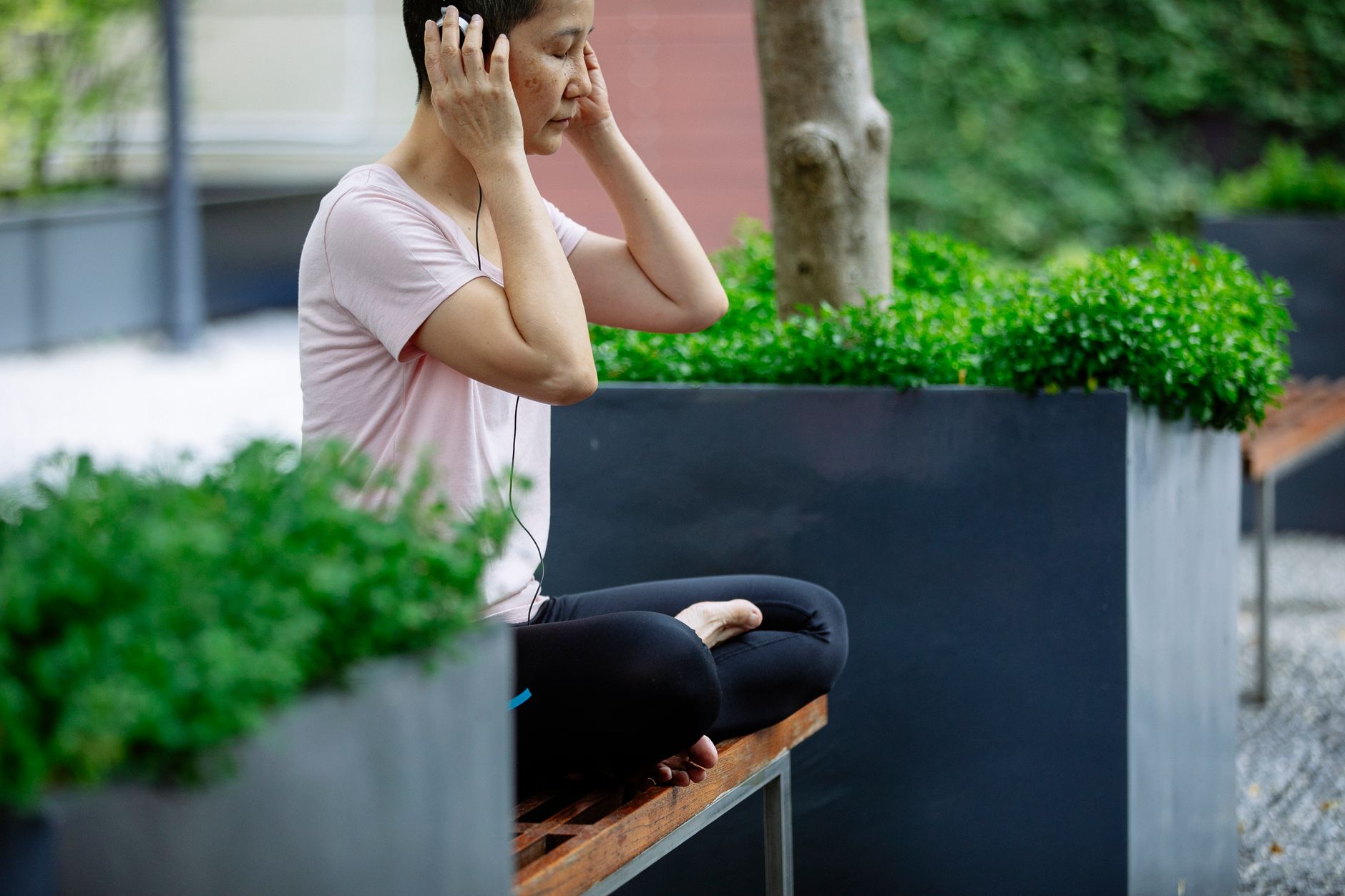
Life in India can be fast-paced and demanding. Between work, family, and the general hustle, finding moments of calm can feel like a luxury. But what if you could tap into a powerful, natural tool to manage stress, anxiety, and even pain, right from your own home? Enter guided imagery, a simple yet profound technique that uses the power of your mind to bring your body and mind into a state of deep relaxation. It’s like taking a mental vacation, anytime you need it.
Guided imagery, also known as visualization or guided meditation, is a type of focused relaxation. Instead of just letting your mind wander, you consciously guide it to imagine peaceful and positive settings. The core idea is that your mind and body are deeply connected. When you vividly imagine a serene beach, a lush forest, or a cozy fireplace, your body often responds as if it were actually there, releasing tension and promoting a sense of well-being. Think about it: picturing a stressful situation can make your heart race and muscles tense up. Conversely, focusing on pleasant scenes can help your body relax, reduce tightness, and bring a sense of ease.
At its heart, guided imagery is about using your imagination to create a desired mental and physical state. It’s a form of meditation where someone (or even a recording) guides you through a visualization. You're encouraged to use all your senses in your imagination – what do you see, hear, smell, taste, and feel in your imagined peaceful place? This immersive experience helps to quiet the chatter of daily worries and activate your body’s natural relaxation response. It's a gentle way to train your mind to find calm, which can have lasting positive effects on your overall health.
The power of guided imagery isn't just theoretical; research supports its ability to make a real difference in how you feel, both mentally and physically. Here’s how it can help you:
This is perhaps the most well-known benefit. In our busy lives, stress and anxiety can become constant companions. Guided imagery offers a direct antidote. Studies have shown that visualizing peaceful environments can significantly reduce feelings of anxiety. For instance, a 2018 study found that people who engaged in nature-based guided imagery reported better anxiety levels compared to those who didn't. Another small study in 2023 indicated that guided imagery improved the quality of life for individuals dealing with anxiety disorders.
Chronic pain can be debilitating. While it doesn't replace medical treatment, guided imagery can be a valuable complementary therapy. Experts suggest it’s a safe and non-invasive method that can help manage pain, particularly related to the musculoskeletal system. By shifting your focus and promoting relaxation, it can help reduce your perception of pain.
Tossing and turning at night? Guided imagery might be the answer. A 2024 study found that guided imagery was associated with better sleep scores for individuals before and after surgery. For those struggling with chronic insomnia, techniques like yoga nidra, which incorporates guided imagery, have shown promise in improving sleep quality by reducing nighttime awakenings and the time it takes to fall back asleep.
The mind-body connection works both ways. Just as stress can impact mood, relaxation can improve it. A 2019 study involving people with cancer found that regular guided imagery practice helped reduce symptoms of depression. Participants also reported less pain and anxiety, highlighting its holistic benefits.
Feeling nervous before surgery or a medical test? Guided imagery can be a powerful tool to ease pre-procedure anxiety. Studies suggest it effectively lowers anxiety levels in patients awaiting surgery or taking exams, helping them feel more calm and in control.
The beauty of guided imagery is its accessibility. You don’t need special equipment or a trip to a wellness center. Here’s a simple way to get started:
A Real-Life Scenario: Imagine Priya, a young professional in Mumbai, feeling overwhelmed by deadlines and constant traffic stress. She decides to try guided imagery during her lunch break. She closes her eyes at her desk, imagines a quiet Goan beach with gentle waves lapping the shore, and feels the imaginary warm sun on her skin. Within 10 minutes, she feels a significant reduction in her tension, ready to face the afternoon with a clearer mind.
While guided imagery is a safe and beneficial practice for most people, it's not a substitute for professional medical or mental health care. If you are experiencing severe or persistent symptoms of anxiety, depression, chronic pain, or sleep disorders, it is essential to consult with a healthcare professional. They can provide an accurate diagnosis and recommend appropriate treatment plans, which may include guided imagery as a complementary therapy.
Yes, guided imagery is generally considered safe and suitable for most people, including children and older adults. However, individuals with severe mental health conditions should consult their doctor before starting.
Aim for consistency. Practicing daily for even 5-10 minutes can yield benefits. You can also use it as needed whenever you feel stressed or anxious.
While it primarily addresses the mental and emotional aspects of health, the relaxation response triggered by guided imagery can positively impact physical conditions by reducing stress hormones and promoting healing. It has shown promise in managing pain and improving well-being in various health contexts.
Visit Hospital
Near You

Could your daily coffee habit be protecting your brain? A massive 2026 study following more than 130,000 people for up to 43 years found that people who drank the most caffeinated coffee had an 18% lower risk of dementia. This piece breaks down what the study actually found, why decaf didn't show th
July 23, 2026
Seeking a migraine specialist in Uluberia? Discover where to find expert diagnosis and treatment for severe headaches. Get relief now.
May 20, 2026
Seeking a male fertility doctor in Jalpaiguri? Discover expert insights on male infertility, treatments, and how to find the right specialist.
May 20, 2026