

Emergency & Help
24/7 Emergency & General Advisory
🚨 24/7 Medical Emergency
Non-Emergency Advisory
10:00 AM – 6:00 PM, Mon–Sat
For appointments & general queries.
24/7 Emergency & General Advisory
🚨 24/7 Medical Emergency
Non-Emergency Advisory
10:00 AM – 6:00 PM, Mon–Sat
For appointments & general queries.
Explore how horror movies affect your brain and body, impacting sleep and anxiety. Learn to enjoy scares mindfully and know when to seek help.
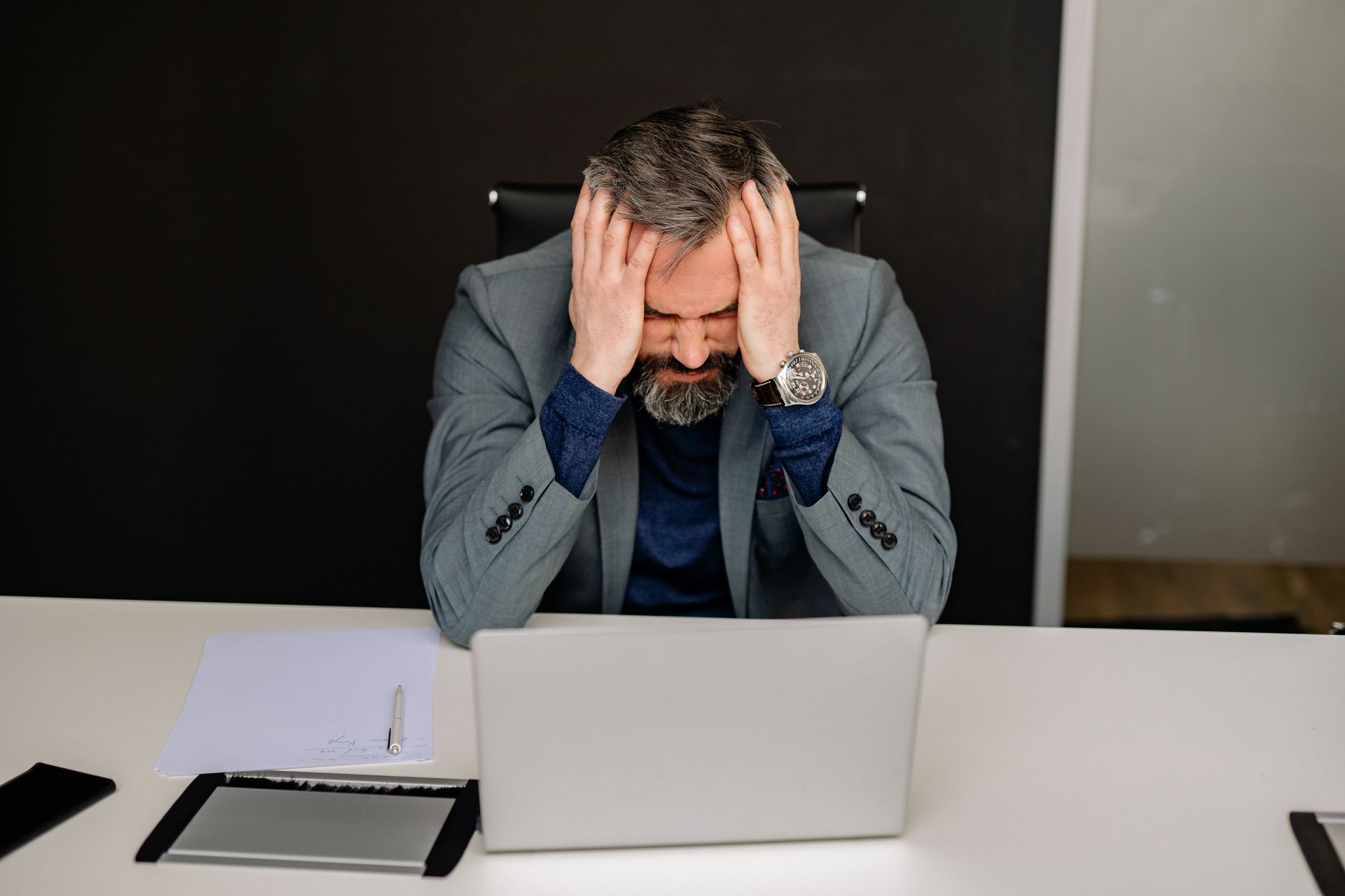
The spooky season is here, and for many, that means diving into the thrilling world of horror movies. From jump scares to psychological thrillers, these films are designed to get our hearts pounding and our palms sweating. But have you ever wondered how these cinematic scares might be affecting your mental well-being? While many of us can enjoy a good fright and then move on, it's worth understanding the potential impact horror movies can have, especially if you find yourself feeling unsettled long after the credits roll.
Horror movies are masters of psychological manipulation. They use a combination of intense visuals, suspenseful sound design, and compelling narratives to create an illusion of danger. When you're watching, your brain, on one level, knows the monsters and threats aren't real. However, your body's stress response can kick in as if the danger were imminent. This is similar to the thrill you might feel on a roller coaster – a heightened state of arousal that can be exciting but also draining.
Dr. Sally Winston, a licensed psychologist, explains this phenomenon: "When watching horror films, your heart pumps and the adrenaline flows, and your attention narrows in, even as you know you are at home or in the theatre and there is no real danger." This physiological response, including increased heart rate and muscle tension, is a natural reaction to perceived threats. For most people, this is part of the thrill, and they can easily separate the on-screen terror from reality. This ability to recognize the illusion for what it is, and to step back from it, is key to enjoying horror without lasting distress.
Horror films are intentionally crafted to evoke strong emotions like fear, tension, and shock. These emotions trigger the release of stress hormones such as norepinephrine, cortisol, and adrenaline. These hormones prepare your body for 'fight or flight,' leading to physical reactions like dilated pupils, a racing heart, and tensed muscles. While this adrenaline rush can enhance the movie-watching experience, it can also make it difficult to wind down afterward.
Dr. Pamela Rutledge, director of the Media Psychology Research Center, notes, "Even the post-horror euphoria some feel is activating, not relaxing. Thus, even for those who enjoy the emotional roller coaster, horror and suspense films can make it harder to sleep." This is because your body remains in a heightened state of alertness, making it challenging to transition into a relaxed state conducive to sleep.
Getting adequate, quality sleep is fundamental for both our physical and mental health. It's during sleep that our brains process emotions, consolidate memories, and repair themselves. When sleep is disrupted or insufficient, the consequences can be significant. Research indicates that poor sleep can impair your brain's ability to regulate emotions the next day, potentially intensifying negative feelings and making you more susceptible to stress and anxiety.
Furthermore, for individuals who are particularly sensitive, the images and experiences from horror movies can linger. Dr. Rutledge points out that "for sensitive individuals, sleep can also be impaired by internalizing the images [from movies] into dreams." This means that scary scenes might translate into nightmares, which directly interfere with REM sleep, leading to fragmented and poor-quality rest. It's estimated that a staggering 90 percent of people experiencing depression also struggle with poor sleep quality, highlighting the strong link between mood and rest. In severe cases, prolonged sleep deprivation can even lead to perceptual distortions, delusions, and hallucinations.
It's not just horror movies that can impact our mental state and sleep. A 2017 study from the University of Toledo found that excessive screen time, including binge-watching any type of TV or movie, can increase symptoms of anxiety and disrupt sleep patterns. The study revealed that individuals who watched more than two hours of screen content daily showed higher levels of depression compared to those with shorter viewing times. This suggests that the sheer volume of screen time, regardless of content, can play a role in our overall mental well-being.
While most adults can process the fear from horror movies without lasting effects, certain individuals might be more susceptible to negative impacts. These can include:
If you love horror movies but worry about the effects, there are ways to enjoy them more mindfully:
While occasional unease after a scary movie is normal, persistent symptoms warrant attention. You should consider consulting a doctor or mental health professional if you experience any of the following:
A healthcare professional can help you understand the underlying reasons for your reactions and develop strategies to manage them effectively, ensuring that your entertainment choices don't compromise your mental well-being.
For most adults, the effects are temporary. However, for individuals who are particularly sensitive, have pre-existing mental health conditions, or are children, prolonged exposure or particularly disturbing content could potentially have more lasting impacts if not managed properly.
Not at all! Enjoying horror movies is common and can be a fun way to experience thrills and excitement. The key is to be aware of your own reactions and to ensure that the enjoyment doesn't lead to significant distress or disruption in your life.
Engage in a relaxing activity afterward, like reading or listening to calm music. Distract yourself with something enjoyable and non-stimulating. Practicing mindfulness or deep breathing exercises can also help ground you in the present moment.
Movies that rely heavily on graphic violence, intense jump scares, or themes that are particularly triggering (e.g., related to trauma, loss, or specific phobias) might be more impactful for some individuals than those that focus more on suspense or psychological tension.
Visit Hospital
Near You

Could your daily coffee habit be protecting your brain? A massive 2026 study following more than 130,000 people for up to 43 years found that people who drank the most caffeinated coffee had an 18% lower risk of dementia. This piece breaks down what the study actually found, why decaf didn't show th
July 23, 2026
Seeking a migraine specialist in Uluberia? Discover where to find expert diagnosis and treatment for severe headaches. Get relief now.
May 20, 2026
Seeking a male fertility doctor in Jalpaiguri? Discover expert insights on male infertility, treatments, and how to find the right specialist.
May 20, 2026