

Emergency & Help
24/7 Emergency & General Advisory
🚨 24/7 Medical Emergency
Non-Emergency Advisory
10:00 AM – 6:00 PM, Mon–Sat
For appointments & general queries.
24/7 Emergency & General Advisory
🚨 24/7 Medical Emergency
Non-Emergency Advisory
10:00 AM – 6:00 PM, Mon–Sat
For appointments & general queries.
Understand the emotional, behavioral, and academic impacts of divorce on children. Learn practical strategies to support your child through this challenging transition and foster their resilience.
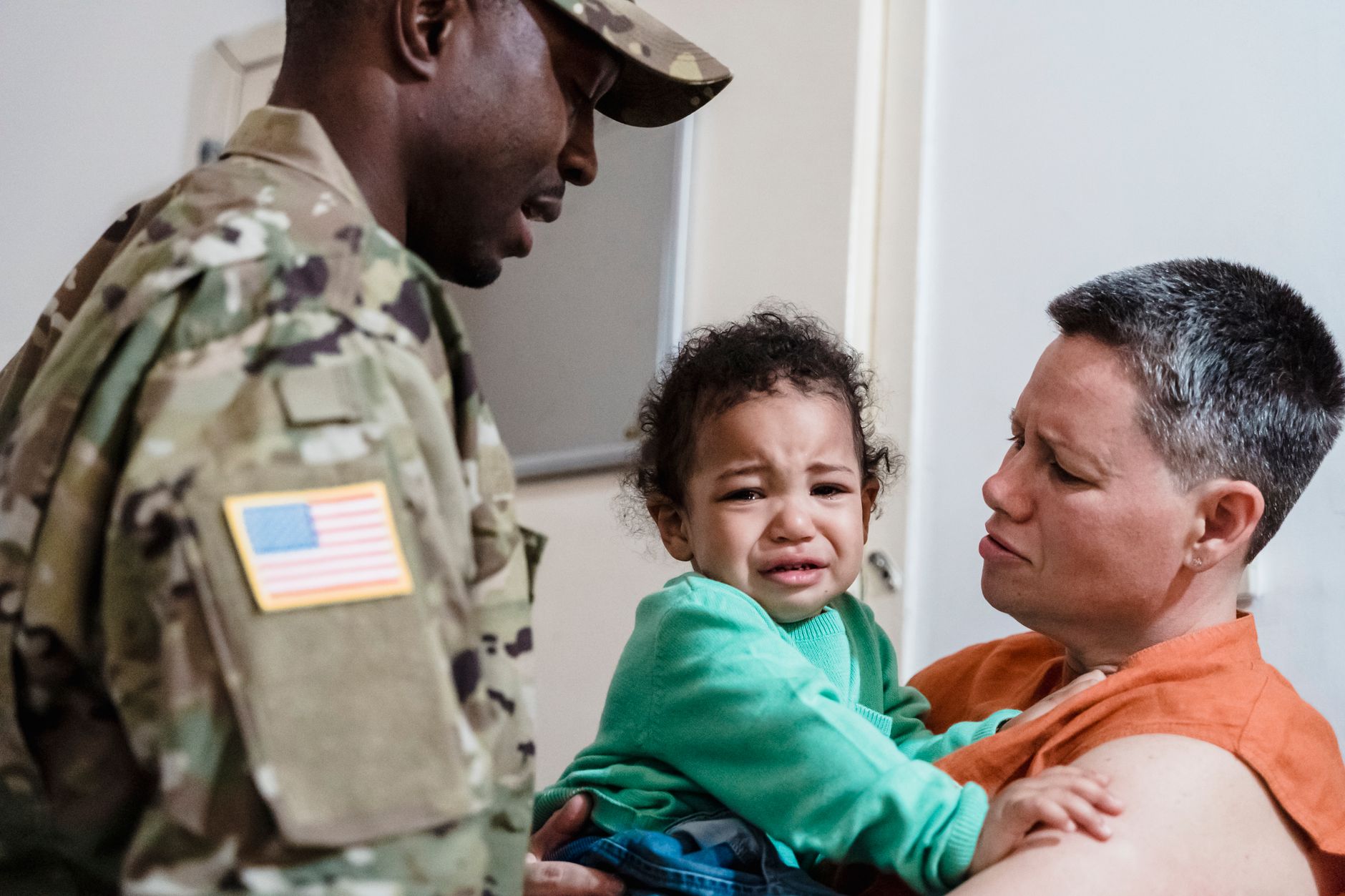
Divorce is a difficult and emotionally charged process for everyone involved, and it can have a profound impact on children. When parents decide to separate, a child's world can be turned upside down, leading to a range of emotional, behavioral, and academic challenges. As parents navigating this transition, understanding these potential effects is the first step toward providing the support your child needs to cope and thrive. This guide explores the various ways divorce can impact children and offers practical strategies for helping them through this challenging time.
Children experience divorce differently based on their age, temperament, and the specific circumstances of the separation. However, several common emotional responses emerge across different age groups. One of the most prevalent emotions is anger. Children may feel angry because their world is changing, and they often have little say in the matter. This anger can stem from feelings of abandonment, a loss of control, or even self-blame, as some children mistakenly believe they are responsible for their parents' separation. For instance, a 7-year-old might express anger by acting out at school, becoming defiant at home, or refusing to cooperate with routines. This outward expression of frustration is their way of processing a situation they can't fully comprehend.
Alongside anger, sadness and grief are common. Children mourn the loss of their intact family unit, the familiar routines, and the perceived stability of their lives. This sadness can manifest as withdrawal, tearfulness, or a general lack of interest in activities they once enjoyed. Anxiety is another significant concern. Children may worry about their future, their financial security, or their parents' well-being. This anxiety can lead to separation anxiety, where younger children become overly clingy, or older children and teens may become withdrawn and hesitant to engage in social activities, fearing judgment or further disruption.
Furthermore, some children may experience guilt, internalizing the belief that they caused the divorce. This can lead to a low self-image and a reluctance to express their true feelings for fear of upsetting one or both parents. It's vital for parents to reassure their children that the divorce is not their fault and that they are loved unconditionally.
The emotional turmoil associated with divorce often translates into noticeable behavioral changes. Younger children, particularly toddlers and preschoolers, might exhibit regression. This means they may revert to earlier behaviors such as bedwetting, thumb-sucking, increased clinginess, or frequent temper tantrums. These behaviors are often a sign of distress and a way for them to seek comfort and security during an uncertain time.
School-aged children and adolescents may display a wider range of behavioral issues. Increased aggression, defiance, and rule-breaking can be manifestations of anger and frustration. Conversely, some children may become overly compliant and withdrawn, trying to avoid conflict or seeking to please both parents. This can lead to a loss of individuality and difficulty asserting their own needs and desires.
Changes in eating and sleeping patterns are also common. Some children may lose their appetite or eat compulsively, while others might experience insomnia, frequent nightmares, or difficulty falling asleep. These disruptions in basic needs can exacerbate emotional distress and impact overall well-being. For example, a teenager struggling with sleep might become irritable, have trouble concentrating in school, and withdraw from friends, further compounding their feelings of isolation.
The effects of divorce can extend into a child's academic life and social interactions. Academically, children may experience a decline in grades, decreased motivation, and difficulty concentrating. This can be due to emotional distress, changes in routine, or simply being distracted by the ongoing family conflict. Some research indicates that children from divorced families may have a higher risk of dropping out of school, particularly during adolescence when the pressures of academic performance and social development are already high.
Socially, children might struggle with their peer relationships. They may become more shy or anxious, withdrawing from social situations or experiencing difficulty making and keeping friends. A child who was once outgoing might become reserved, fearing that their family situation makes them different or less desirable to their peers. This social withdrawal can be linked to a low self-image, making it harder for them to connect with others. Boosting a child's confidence and encouraging positive social interactions is key to helping them overcome this challenge.
Navigating divorce with children requires patience, understanding, and a commitment to their well-being. Here are practical strategies to support them:
Talk to your children in an age-appropriate manner about the changes. Reassure them that they are loved and that the divorce is not their fault. Create a safe space for them to express their feelings without judgment. Listen more than you speak.
As much as possible, maintain consistent daily routines, including mealtimes, bedtime, and school schedules. Predictability can provide a sense of security during a turbulent time. For younger children, visual aids like calendars marking visitations can be very helpful.
Help your child identify and express their emotions constructively. This could involve talking, drawing, journaling, or engaging in physical activities. If anger is an issue, teach them healthy ways to manage it, such as deep breathing or taking a break.
Encourage your child to maintain a relationship with the other parent, unless there are safety concerns. Avoid speaking negatively about the other parent in front of your child, as this puts them in a difficult loyalty bind. Your child needs to know that they can love both parents.
Don't hesitate to seek help from a child therapist or counselor. They can provide a neutral, supportive environment for your child to process their emotions and develop coping mechanisms. Family therapy can also be beneficial for the entire family.
Remember that you are also going through a difficult time. Taking care of your own emotional and physical health will enable you to better support your children. Practice self-compassion and seek support for yourself.
While many children adjust to divorce over time with parental support, certain signs indicate that professional intervention is necessary. If your child exhibits:
If you observe any of these warning signs, consult your pediatrician or a child mental health professional. Early intervention can make a significant difference in a child's long-term well-being.
It's important to remember that children are remarkably resilient. While divorce presents significant challenges, it does not have to define their future. With consistent love, support, and understanding from their parents, children can navigate the complexities of divorce and emerge stronger, more adaptable, and capable of forming healthy relationships. The most challenging effects of separation often lessen within the first 1 to 3 years, especially when parents prioritize their child's emotional needs.
It's best to have this conversation 2 to 3 weeks before any physical separation begins. Choose a calm time when you and the other parent can be present. Use simple, honest language, focusing on the fact that the decision is between the parents and that the child will always be loved and cared for. Avoid blaming and reassure them that their life will still have stability.
Not necessarily. While divorce creates challenges, many children adapt well with strong parental support, consistent routines, and open communication. Their resilience, combined with proactive support, allows them to overcome difficulties and thrive. The long-term impact often depends more on the level of conflict between parents post-divorce than the divorce itself.
Encourage and facilitate contact unless it's unsafe. Respect the other parent's time and decisions during their custody periods. Avoid making your child feel guilty for enjoying time with the other parent. Consistent communication and a united front on co-parenting matters, as much as possible, are beneficial.
Visit Hospital
Near You

Could your daily coffee habit be protecting your brain? A massive 2026 study following more than 130,000 people for up to 43 years found that people who drank the most caffeinated coffee had an 18% lower risk of dementia. This piece breaks down what the study actually found, why decaf didn't show th
July 23, 2026
Seeking a migraine specialist in Uluberia? Discover where to find expert diagnosis and treatment for severe headaches. Get relief now.
May 20, 2026
Seeking a male fertility doctor in Jalpaiguri? Discover expert insights on male infertility, treatments, and how to find the right specialist.
May 20, 2026