

Emergency & Help
24/7 Emergency & General Advisory
🚨 24/7 Medical Emergency
Non-Emergency Advisory
10:00 AM – 6:00 PM, Mon–Sat
For appointments & general queries.
24/7 Emergency & General Advisory
🚨 24/7 Medical Emergency
Non-Emergency Advisory
10:00 AM – 6:00 PM, Mon–Sat
For appointments & general queries.
Stay updated with our latest healthcare news and your appointments.
Explore the science and reality behind how long it takes to fall in love, debunking myths and understanding the factors that shape our romantic timelines.
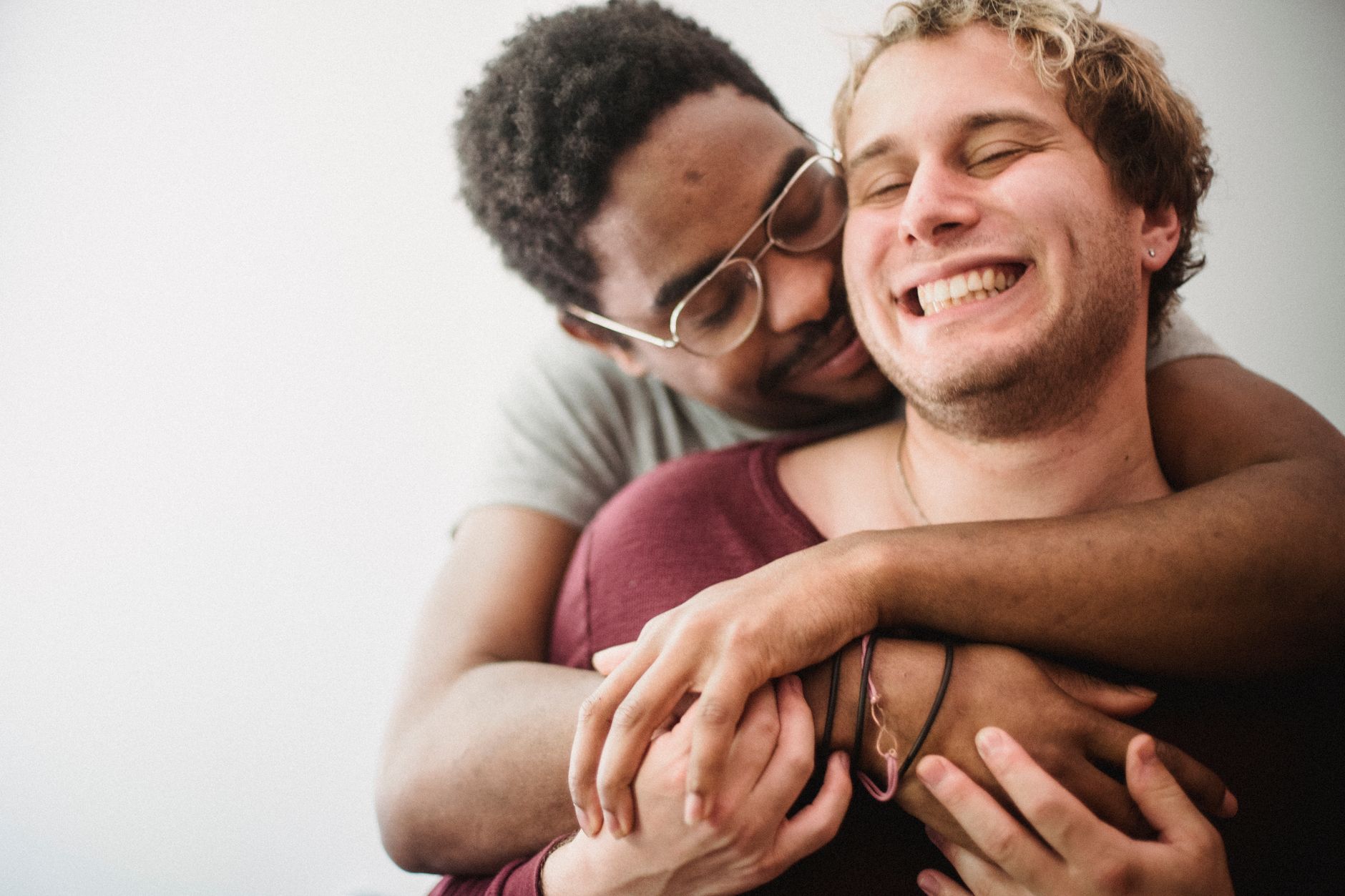
Have you ever found yourself daydreaming about that magical moment when love strikes? You know, the scene from the movies where two people lock eyes across a crowded room, and BAM! It’s instant fireworks. But is that really how love works? Or is it more like a slow burn, a gradual unfolding of feelings that sneaks up on you?
Let’s be honest, the idea of “love at first sight” is incredibly romantic. It’s the stuff of fairy tales, novels, and countless Bollywood blockbusters. We’re bombarded with stories where destiny intervenes, and two souls recognize each other instantly. It makes for great drama, doesn’t it? But when we strip away the cinematic gloss, what does science and real-life experience tell us about the timeline of falling in love?
The truth is, there’s no single, universally accepted answer. Think about it: love is a deeply personal and complex human emotion. It’s not like measuring the boiling point of water or calculating the distance to the moon. It’s messy, unpredictable, and wonderfully unique to each individual and each relationship.
Scientists have actually tried to put a number on it, not necessarily on “love” itself, but on the time it takes for people to consider confessing their feelings. Why confessing? Well, it’s a pretty good proxy, right? You’re not likely to start thinking about saying “I love you” unless there’s actually something there, some budding affection or deep connection forming.
One notable study, a six-part investigation published in 2011, delved into commitment in romantic relationships. Researchers surveyed university students, asking them about their current or most recent romantic relationship. The results? On average, men reported needing about 97 days (just over three months) to reach the point where they’d consider sharing their feelings. Women, on the other hand, tended to take a bit longer, reporting around 139 days (about four and a half months) on average.
But here’s where it gets interesting. Other surveys, often conducted by dating websites, have shown similar patterns, suggesting that it generally takes a few months for people to fall in love, irrespective of gender. This aligns with the idea that while initial attraction might be instantaneous, the deeper feelings that constitute love often require time to develop.
It's vital to remember that these studies often focus on a male-female binary. Gender is a spectrum, and individual experiences, societal expectations, and personal histories can all influence how and when someone feels ready to express love. While your gender identity might shape certain aspects of your life, the core experience of falling in love is a human one, influenced more by personal connection than by broad gender categories.
So, what about that “love at first sight” phenomenon? Research from 2017 suggests that what we often perceive as love at first sight is more accurately described as attraction at first sight. That initial jolt of excitement and intense physical appeal can feel like love, but it’s based on very little information about the other person’s personality, values, or long-term compatibility. True love, the kind that sustains a relationship, usually needs more time to blossom.
If there’s no set timeline, how do you know when you’re actually falling in love? While the timing varies, the feelings often have common threads. Most people describe a sense of:
Why does it take different amounts of time for different people? Several factors come into play:
Let’s clear up some common misconceptions:
While falling in love is a natural human experience, sometimes relationship dynamics or intense emotions can become overwhelming. You might consider seeking professional help if:
A therapist or counselor can provide valuable insights and coping strategies to navigate the complexities of love and relationships in a healthy way.
A1: While the initial rush of falling in love can feel very sudden, the process of falling out of love is often more gradual. It usually involves a slow erosion of connection, trust, or intimacy rather than an instantaneous switch.
A2: Absolutely not. Physical attraction is often the initial spark, but it doesn’t automatically translate into deep, lasting love. Love requires emotional connection, shared values, mutual respect, and compatibility, which take time to develop.
A3: This is quite common! People have different timelines. The key is open communication. Talk to your partner about your feelings, reassure them of your growing affection, and focus on building your connection together at a pace that feels comfortable for both of you. Don’t let a difference in perceived speed cause unnecessary worry.
A4: Online dating can present both opportunities and challenges. It allows you to connect with many people, potentially speeding up the discovery phase. However, building deep, genuine love often still requires in-person interaction and time to develop true intimacy and understanding, much like traditional dating.
A5: Yes, it is possible for some people to experience romantic love for multiple individuals simultaneously. This is the basis of polyamory. However, it requires significant emotional maturity, excellent communication skills, and a clear understanding of boundaries and consent among all involved parties.
Ultimately, the journey of falling in love is a unique adventure for everyone. Instead of focusing on a clock, pay attention to the quality of your connection, the growth of your bond, and the genuine feelings that develop between you and another person. That’s where the real magic lies.
Visit Hospital
Near You

Could your daily coffee habit be protecting your brain? A massive 2026 study following more than 130,000 people for up to 43 years found that people who drank the most caffeinated coffee had an 18% lower risk of dementia. This piece breaks down what the study actually found, why decaf didn't show th
July 23, 2026
Seeking a migraine specialist in Uluberia? Discover where to find expert diagnosis and treatment for severe headaches. Get relief now.
May 20, 2026
Seeking a male fertility doctor in Jalpaiguri? Discover expert insights on male infertility, treatments, and how to find the right specialist.
May 20, 2026