

Emergency & Help
24/7 Emergency & General Advisory
🚨 24/7 Medical Emergency
Non-Emergency Advisory
10:00 AM – 6:00 PM, Mon–Sat
For appointments & general queries.
24/7 Emergency & General Advisory
🚨 24/7 Medical Emergency
Non-Emergency Advisory
10:00 AM – 6:00 PM, Mon–Sat
For appointments & general queries.
Explore signs of harmful parenting, understand its impact on children, and find practical steps and resources for positive change. Learn when and how to seek support.
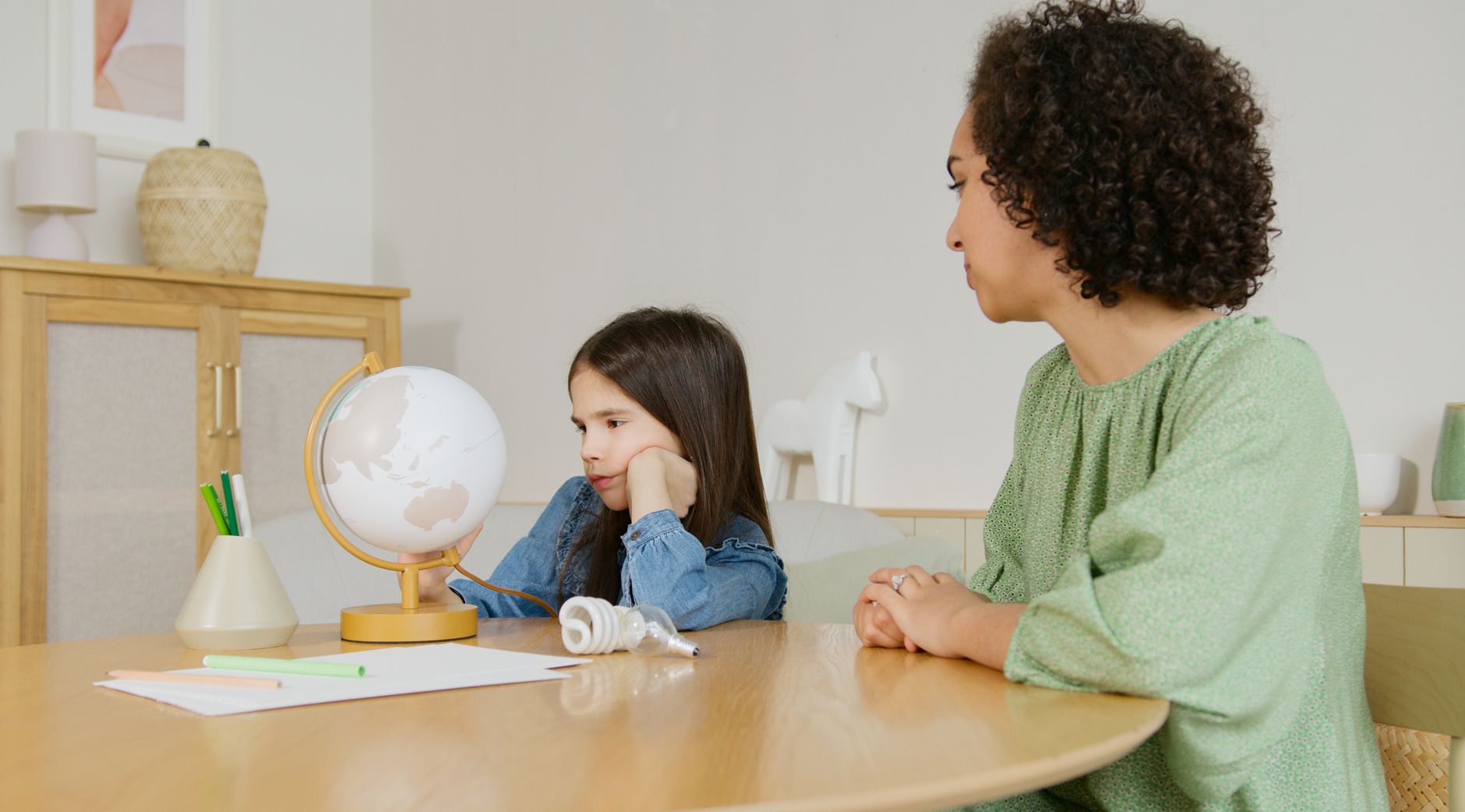
Most parents want to do their best. But the journey of raising a child is complex, and sometimes, even with the best intentions, our actions can unintentionally cause harm. If you're wondering if your parenting might be negatively impacting your child, you're not alone. This concern itself is often a sign of a parent who cares deeply. Let's explore the signs that might indicate harmful parenting behaviors, understand their potential effects, and discover pathways to support and positive change.
Parenting is often described as the toughest job in the world, and it's true. There's no perfect manual, and life throws curveballs that can test even the most patient among us. Sometimes, we don't have positive parenting role models, and there will be days when we all fall short of our own ideals. The important thing is recognizing when our behavior might be crossing a line and seeking ways to improve.
The term “bad parenting” carries a lot of emotional weight and is difficult to pin down. However, certain parental behaviors can indeed negatively affect a child's emotional, psychological, or physical well-being. Identifying these patterns is the first step toward learning more effective ways to interact with your child and knowing when to seek external help.
At the extreme end, we have behaviors like physical abuse, neglect, emotional abuse, and sexual abuse. These are the most severe forms of harmful parenting and require immediate intervention from professionals and child protective services. Children subjected to such experiences need extensive mental health support to process the trauma. Parents involved in these situations may face legal consequences and will also require therapeutic intervention.
However, harmful parenting isn't always this obvious. Beyond these extreme cases, many other actions or words, even if unintentional, can lead to adverse outcomes for children. Recognizing when your parenting choices might be causing unintended harm is key to making positive changes.
It can sometimes be challenging to see how our parenting choices might be hurting our children. Even well-meaning parents can fall into patterns that prove detrimental. Here are some indicators to consider:
The effects of harmful parenting can be far-reaching and manifest in various ways throughout a child's life:
Imagine a teenager, Priya, whose parents constantly compare her to her academically successful cousin, always pointing out her lower grades. Priya tries her best, but the constant criticism leaves her feeling inadequate and hopeless. She starts avoiding schoolwork altogether, her grades drop further, and she withdraws from her family, her parents unaware that their words, meant to motivate, are actually crushing her spirit.
If you recognize some of these signs in your parenting and are concerned about their impact on your child, it's a sign that you're ready to make a change. Seeking help is a sign of strength, not weakness. Here’s what you can do:
Several resources are available to support parents in India:
The goal isn't to be a perfect parent, but a good enough, responsive, and loving one. Focus on building a strong, positive relationship with your child based on trust, respect, and open communication. Celebrate their efforts, not just their successes. Listen actively to their concerns and validate their feelings. Learning to apologize when you make mistakes also teaches valuable lessons about accountability and resilience.
Remember, making changes takes time and effort. Be patient with yourself and your child. The fact that you are seeking this information shows your commitment to your child's well-being. You are capable of learning and growing as a parent.
Everyone makes parenting mistakes. Harmful parenting involves patterns of behavior that consistently and significantly undermine a child's well-being, safety, or development, whether intentionally or unintentionally.
Absolutely. Recognizing mistakes, taking responsibility, and actively working to change harmful behaviors are hallmarks of a committed and caring parent. The desire to improve is the most important factor.
Managing anger is key. Practice deep breathing exercises, identify your triggers, and learn de-escalation techniques. Seeking professional help from a therapist specializing in anger management can provide structured strategies and support.
Visit Hospital
Near You

Could your daily coffee habit be protecting your brain? A massive 2026 study following more than 130,000 people for up to 43 years found that people who drank the most caffeinated coffee had an 18% lower risk of dementia. This piece breaks down what the study actually found, why decaf didn't show th
July 23, 2026
Seeking a migraine specialist in Uluberia? Discover where to find expert diagnosis and treatment for severe headaches. Get relief now.
May 20, 2026
Seeking a male fertility doctor in Jalpaiguri? Discover expert insights on male infertility, treatments, and how to find the right specialist.
May 20, 2026