

Emergency & Help
24/7 Emergency & General Advisory
🚨 24/7 Medical Emergency
Non-Emergency Advisory
10:00 AM – 6:00 PM, Mon–Sat
For appointments & general queries.
24/7 Emergency & General Advisory
🚨 24/7 Medical Emergency
Non-Emergency Advisory
10:00 AM – 6:00 PM, Mon–Sat
For appointments & general queries.
Discover how ancient mantras can help calm your mind, reduce stress, and manage anxiety. Learn simple chanting techniques and find your inner peace.
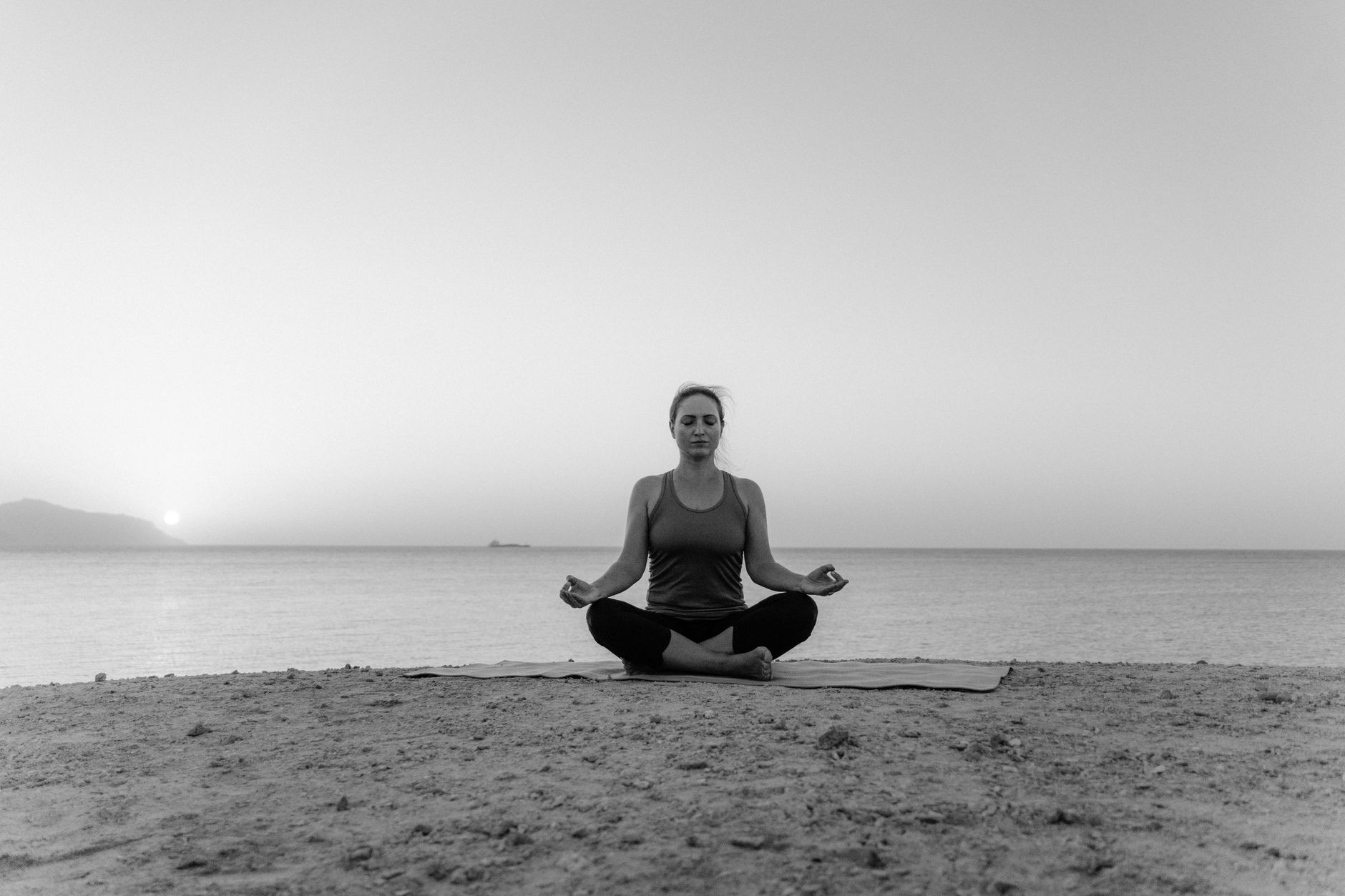
In today's fast-paced world, feeling overwhelmed by stress and anxiety is incredibly common. Many of us search for effective ways to calm our minds and find a sense of peace. If you're looking for a simple yet profound tool to help manage anxiety, you might find solace in the ancient practice of mantra meditation. This isn't just about repeating words; it's about harnessing the power of sound and focused intention to bring tranquility to your inner world.
Research supports the benefits of mantra meditation. A 2022 study review indicated that this practice is linked to significant improvements in stress reduction, anxiety relief, blood pressure control, and even immune function. Another review from 2018 suggested that mantra meditation could be a valuable addition to workplace wellness programs, though more research is encouraged. Furthermore, a 2021 clinical trial highlighted its potential as a powerful complementary therapy for depression, leading to better mood improvements than relaxation techniques alone.
So, what exactly is a mantra? The word 'mantra' originates from ancient Indian texts, the Vedas, and it refers to a sound, word, or phrase that is recited, either silently or aloud. These chants are often combined with rhythmic breathing, helping to slow down racing thoughts, enhance mental clarity, and cultivate a deeper sense of peace. The sounds within a mantra are intentionally designed to create specific effects on both the mind and body, which is why many people report feeling instantly calmer and more grounded when practicing them.
Mantras have a rich history, deeply embedded in ancient cultures. For millions of people, particularly in India and Tibet, chanting mantras is not merely a self-help technique but a profound devotional practice. It can be an act of respect and devotion to a deity or the divine energy they represent. While this devotional aspect is significant for many, the practice also offers accessible benefits for anyone seeking mental calm, regardless of their spiritual beliefs.
When you engage with a mantra, you are connecting with a sound that has been purposefully crafted to influence your state of being. This connection to sound can help you detach from negativity and find a sense of centeredness. It's about quieting the external noise and tuning into your internal landscape.
The scientific community is increasingly recognizing the positive impacts of mantra meditation. Studies have shown its effectiveness in reducing stress hormones like cortisol and promoting relaxation responses in the brain. By focusing on the repetitive sound, the mind is less likely to wander into anxious thoughts, creating a mental space for calm to emerge. This practice can be particularly helpful for individuals experiencing symptoms of anxiety or depression, acting as a valuable complementary tool alongside traditional treatments.
For example, imagine Priya, who often feels her heart race and her thoughts spiral during busy workdays. She tried deep breathing, but her mind still raced. One afternoon, her colleague suggested trying a simple mantra. Priya decided to try chanting 'Om Shanti Om' silently while taking slow breaths. Within a few minutes, she noticed a subtle shift; her shoulders relaxed, and her thoughts began to slow down. This small practice helped her regain composure and navigate the rest of her day with less tension.
Getting started with mantra meditation is straightforward. You don't need special equipment or a dedicated space, though a quiet environment can be helpful.
The terms 'mantras' and 'affirmations' are sometimes used interchangeably, but there's a subtle distinction. Mantras often originate from ancient spiritual traditions, carrying historical and vibrational significance. Affirmations, on the other hand, are typically positive statements created by an individual, designed to challenge negative thought patterns and promote self-belief. While both aim to bring about positive mental states, mantras often tap into a deeper, more ancient resonance, whereas affirmations are more direct, personalized statements of intent.
For instance, someone struggling with self-doubt might use the affirmation, 'I am capable and worthy.' This is a direct statement aimed at counteracting negative self-talk. A mantra like 'So Hum' might be used to foster a sense of connection and belonging, a subtler, more profound sense of self.
While mantra meditation can be a powerful tool for managing anxiety, it is not a replacement for professional medical or mental health treatment. If you are experiencing severe or persistent anxiety, depression, or other mental health concerns, it is essential to consult with a healthcare professional, such as a doctor, psychiatrist, or therapist. They can provide an accurate diagnosis and recommend an appropriate treatment plan tailored to your specific needs. Mantra meditation can often serve as a valuable complementary therapy alongside conventional treatments.
Yes, absolutely. Mantra meditation is accessible to everyone, regardless of age, background, or spiritual beliefs. The practice focuses on the use of sound and breath to promote calm and focus.
Consistency is key. Aim to practice for at least 5-10 minutes daily. Even short, regular sessions can yield significant benefits over time.
It's perfectly normal for your mind to wander. The practice isn't about having a perfectly still mind but about gently returning your focus to the mantra whenever you notice it drifting. Be patient and kind to yourself.
Many people find practicing first thing in the morning or before bed to be beneficial. However, the best time is whenever you can dedicate a few quiet moments to yourself, whether that's during a lunch break or before a challenging meeting.
Research suggests that mantra meditation can be beneficial for other conditions, including depression, stress, and even improving sleep quality. However, it should always be used as a complementary approach alongside professional medical advice.
Visit Hospital
Near You

Could your daily coffee habit be protecting your brain? A massive 2026 study following more than 130,000 people for up to 43 years found that people who drank the most caffeinated coffee had an 18% lower risk of dementia. This piece breaks down what the study actually found, why decaf didn't show th
July 23, 2026
Seeking a migraine specialist in Uluberia? Discover where to find expert diagnosis and treatment for severe headaches. Get relief now.
May 20, 2026
Seeking a male fertility doctor in Jalpaiguri? Discover expert insights on male infertility, treatments, and how to find the right specialist.
May 20, 2026