

Emergency & Help
24/7 Emergency & General Advisory
🚨 24/7 Medical Emergency
Non-Emergency Advisory
10:00 AM – 6:00 PM, Mon–Sat
For appointments & general queries.
24/7 Emergency & General Advisory
🚨 24/7 Medical Emergency
Non-Emergency Advisory
10:00 AM – 6:00 PM, Mon–Sat
For appointments & general queries.
Discover how meditation can benefit children of all ages, offering practical tips for parents to introduce mindfulness and calm in their kids' lives.
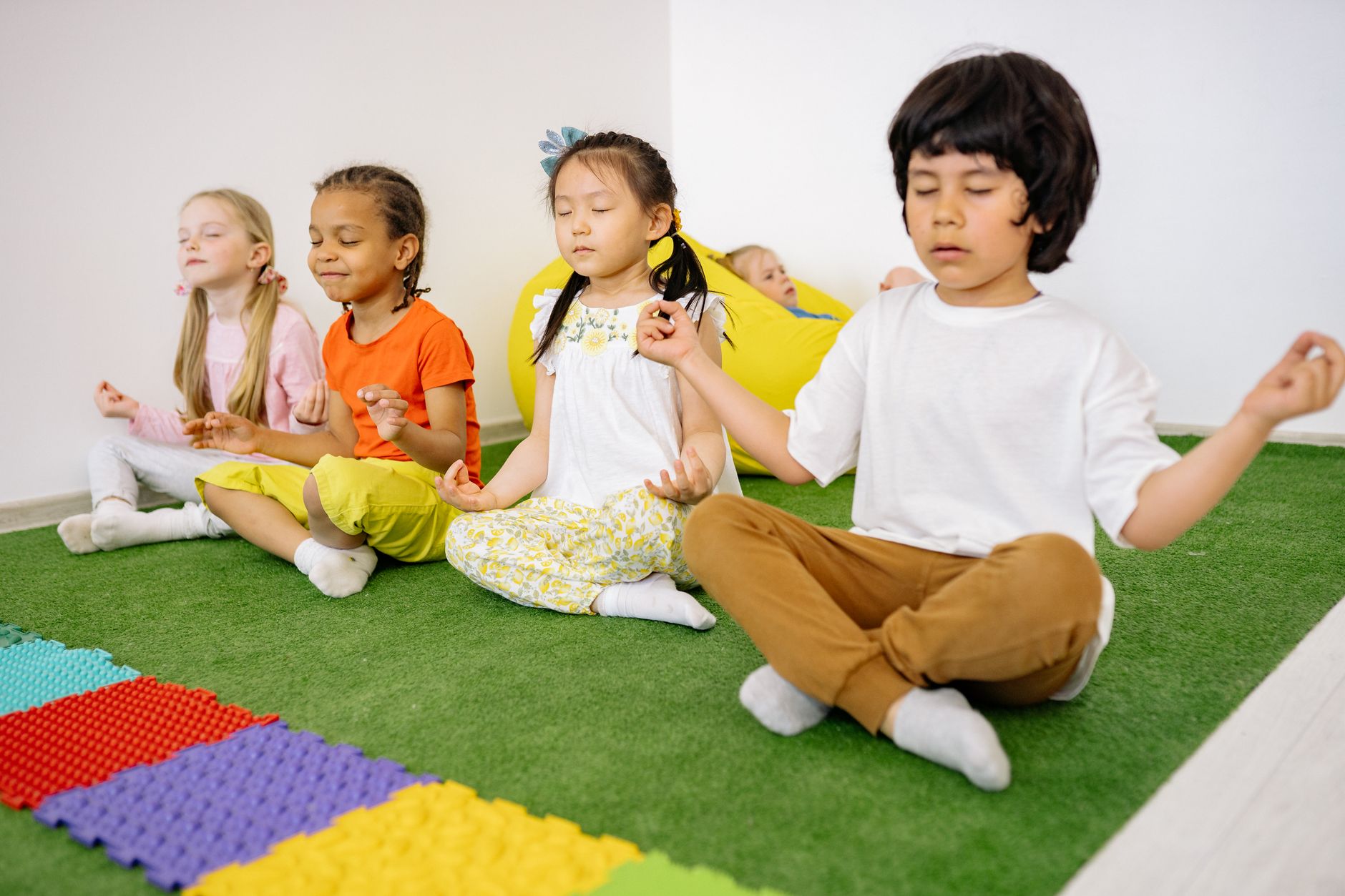
In today's fast-paced world, our children are exposed to a lot of stimulation, from school pressures to the constant buzz of digital devices. It's no wonder many kids struggle with stress, anxiety, and trouble focusing. Introducing them to meditation early on can be a powerful tool, equipping them with skills that will benefit them throughout their lives. But how do you get a wiggly toddler or a restless teen to sit still and meditate? It’s not as daunting as it sounds! This guide will break down the basics of meditation for children, explore its many benefits, and offer practical tips for parents in India to introduce this calming practice to their kids.
Meditation, at its core, is a mind-body practice. It helps us find moments of calm, develop self-awareness, and connect with ourselves on a deeper level. For children, this doesn't mean sitting in silent, rigid poses for long periods. Instead, it's about adapting meditation principles to their age and energy levels. Think of it as teaching them to be mindful – to pay attention to their breath, their bodies, and their thoughts without judgment. It’s about helping them understand and manage their inner world.
The National Center for Complementary and Integrative Health explains that meditation focuses on the interaction between the brain, mind, body, and behavior. The goal is to achieve a peaceful and energized state of mind. For kids, this might involve simple breathing exercises, guided imagery, or mindful movement. The key is to make it accessible and enjoyable.
The advantages of meditation for children extend far beyond just a quieter home environment (though parents certainly appreciate that!). These practices build essential life skills that can positively impact a child's well-being for years to come.
One of the most significant benefits is helping children learn to manage their emotions. Instead of big meltdowns, they can learn to recognize feelings like anger, frustration, or sadness and respond in healthier ways. Dr. Leela R. Magavi, a psychiatrist, notes that teaching children to meditate helps them manage unwanted emotions in a socially acceptable and therapeutic manner. These coping skills are invaluable as they navigate life's challenges.
In a world full of distractions, meditation can sharpen a child's focus. By practicing bringing their attention back to their breath or a guided thought, they strengthen their ability to concentrate, which can translate to better performance in school and other activities.
Sleep troubles are common among children today, often due to disrupted routines or overstimulation. Meditation can be a powerful aid. Dr. Magavi observes that meditation has been shown to decrease the time it takes to fall asleep, improve the ability to stay asleep, and enhance overall sleep quality. A calm mind at bedtime leads to more restful sleep.
Just like adults, children experience stress and anxiety. Meditation provides a safe space for them to process these feelings and develop a sense of calm. It teaches them that they can find peace even when things feel overwhelming.
Meditation encourages children to tune into their own bodies and minds. They learn to notice their thoughts and feelings without immediately reacting to them. This self-awareness is the foundation for emotional intelligence and healthy self-esteem.
When children are calmer and better able to manage their emotions, it can lead to fewer conflicts at home. Furthermore, parents meditating with their children can strengthen family bonds and create a more harmonious environment.
The key to successful meditation for kids is to keep it on their level. What works for a 3-year-old will be different from what works for a teenager.
At this age, focus on short, simple, and playful activities. Breathing exercises can be introduced as
Most people do not notice early warning signs right away. That is common. A simple symptom diary, basic routine checks, and timely follow-up visits can prevent small problems from becoming serious.
If you are already on treatment, stay consistent with medicines and lifestyle advice. If your symptoms change, do not guess. Check with a qualified doctor and update your plan early.
Write down symptoms, triggers, and timing for a few days.
Carry old prescriptions and test reports to your consultation.
Ask clearly about side effects, red-flag signs, and follow-up dates.
Seek urgent care for severe pain, breathing trouble, bleeding, fainting, or sudden worsening.
Visit Hospital
Near You

Could your daily coffee habit be protecting your brain? A massive 2026 study following more than 130,000 people for up to 43 years found that people who drank the most caffeinated coffee had an 18% lower risk of dementia. This piece breaks down what the study actually found, why decaf didn't show th
July 23, 2026
Seeking a migraine specialist in Uluberia? Discover where to find expert diagnosis and treatment for severe headaches. Get relief now.
May 20, 2026
Seeking a male fertility doctor in Jalpaiguri? Discover expert insights on male infertility, treatments, and how to find the right specialist.
May 20, 2026