

Free Helpline
We are here to assist you.
Health Advisor
+91-8877772277Available 7 days a week
10:00 AM – 6:00 PM to support you with urgent concerns and guide you toward the right care.

We are here to assist you.
Health Advisor
+91-8877772277Available 7 days a week
10:00 AM – 6:00 PM to support you with urgent concerns and guide you toward the right care.
Explore how mindfulness can empower transgender and non-binary individuals to embrace their bodies, cultivate self-acceptance, and build resilience against societal pressures. Learn practical techniques for daily practice.

In today's world, the conversation around gender identity and expression is becoming more open and inclusive. However, for transgender and non-binary individuals, navigating societal norms and personal identity can present unique challenges. Mindfulness, a practice rooted in ancient wisdom traditions, offers a powerful tool for self-awareness, self-acceptance, and emotional resilience. This blog post explores how mindfulness can be particularly beneficial for those exploring their gender identity, helping them to embrace their bodies and connect with their authentic selves.
Mindfulness, at its core, is the practice of paying attention to the present moment without judgment. It involves observing your thoughts, feelings, bodily sensations, and the surrounding environment with a sense of curiosity and acceptance. While its roots can be traced back to Buddhist traditions, mindfulness gained significant traction in the West through programs like Mindfulness-Based Stress Reduction (MBSR), developed by Jon Kabat-Zinn in the 1970s. MBSR combines Buddhist meditation techniques with Hatha yoga and has been applied to various aspects of well-being, including stress reduction, anxiety management, and chronic pain relief.
Transgender and non-binary individuals often face societal messages that their bodies and identities do not conform to traditional norms. These messages can be internalized, leading to feelings of misalignment, self-criticism, and distress. The constant exposure to anti-LGBTQIA+ rhetoric and discriminatory policies can further exacerbate mental health challenges. Research indicates that LGBTQIA+ youth are at a higher risk for mental health issues, including depression and suicidal ideation, compared to their cisgender and heterosexual peers. For instance, a survey by The Trevor Project found that a significant percentage of trans adults have considered suicide in the past year.
Mindfulness offers a sanctuary from these external pressures and internal struggles. By cultivating present-moment awareness, individuals can begin to:
Several mindfulness techniques can be particularly helpful:
Consistency is key to reaping the benefits of mindfulness. Even short, regular practice sessions can make a significant difference. For example, one practitioner dedicates 15 minutes each morning to mindfulness before starting his day. The goal is not to empty the mind but to become more aware of its workings and to respond to experiences with greater intention and less reactivity.
While research specifically on mindfulness for the transgender and non-binary community is still emerging, initial studies show promising results. A study involving transgender women using mindfulness practices reported significant benefits, including increased awareness of mind and body, and improved mood. Another paper examined the positive effects of mindfulness and self-compassion interventions on the mental health outcomes of LGBTQ+ youth. These findings underscore the potential of mindfulness as a supportive tool for this community.
While mindfulness can be a powerful self-help tool, it is not a substitute for professional mental health support. If you are experiencing severe distress, persistent depression, anxiety, or suicidal thoughts, it is crucial to seek help from a qualified mental health professional. Therapists specializing in LGBTQIA+ issues can provide tailored support and guidance.
Mindfulness offers a path towards greater self-acceptance, resilience, and well-being for transgender and non-binary individuals. By cultivating present-moment awareness and self-compassion, individuals can navigate the challenges of societal expectations and embrace their authentic selves with greater confidence and peace. Integrating mindfulness into daily life, even in small ways, can foster a more positive and accepting relationship with one's body and identity.
Q1: Is mindfulness only for spiritual people?
No, mindfulness is a secular practice that can be beneficial for anyone, regardless of their spiritual or religious beliefs. It is about training your attention and awareness.
Q2: I find it hard to sit still and meditate. What can I do?
Mindfulness doesn't always require sitting still. Mindful walking, mindful eating, or engaging in mindful movement like yoga can be effective alternatives. The key is to bring focused attention to your experience.
Q3: How long does it take to see benefits from mindfulness?
Benefits can vary from person to person. Some may notice immediate effects like a sense of calm, while others may experience more profound changes with consistent practice over weeks or months.
Q4: Can mindfulness help with gender dysphoria?
While mindfulness may not eliminate gender dysphoria, it can help individuals develop a more accepting relationship with their bodies and manage the distress associated with dysphoria. It can help focus on present experiences rather than getting lost in distressing thoughts.
Q5: Where can I find resources for mindfulness practice?
There are many resources available, including apps like Calm and Headspace, online guided meditations, books on mindfulness, and local mindfulness or meditation centers. If you are part of the LGBTQIA+ community, seeking out LGBTQIA+-affirming therapists or support groups can also provide valuable guidance.
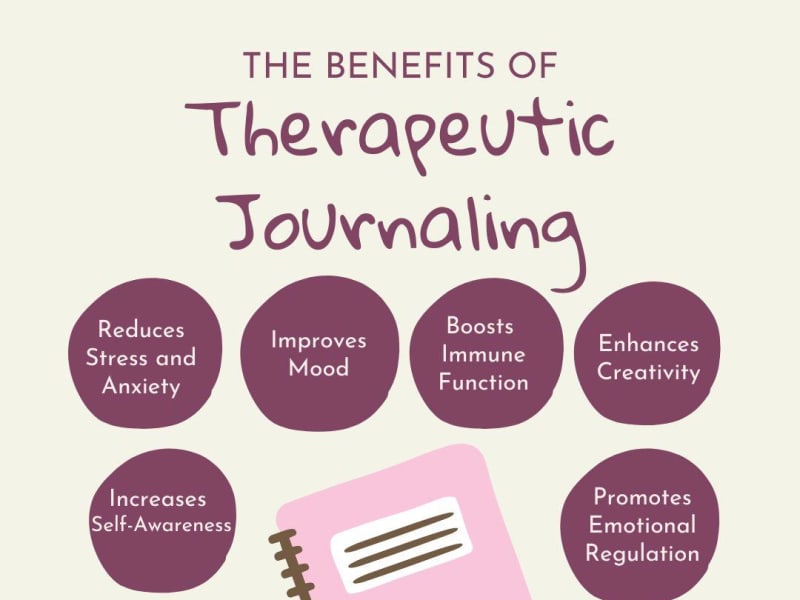
Journaling is more than a wellness trend — it's a scientifically validated tool for emotional processing, stress reduction, and psychological clarity. The evidence base, built over decades, reveals why putting pen to paper has such measurable effects on mental health
April 14, 2026

Learn when and how to take a mental health day to recharge, prevent burnout, and prioritize your overall well-being. Practical tips for Indian readers.
April 1, 2026

Feeling stuck and unmotivated due to mental health challenges? Discover practical, actionable tips to break through overwhelm and get things done, even on your toughest days.
April 1, 2026