

Emergency & Help
24/7 Emergency & General Advisory
🚨 24/7 Medical Emergency
Non-Emergency Advisory
10:00 AM – 6:00 PM, Mon–Sat
For appointments & general queries.
24/7 Emergency & General Advisory
🚨 24/7 Medical Emergency
Non-Emergency Advisory
10:00 AM – 6:00 PM, Mon–Sat
For appointments & general queries.
Explore mirror gazing meditation, a simple yet profound practice for enhancing self-awareness, reducing stress, and cultivating self-compassion by looking into your own eyes.
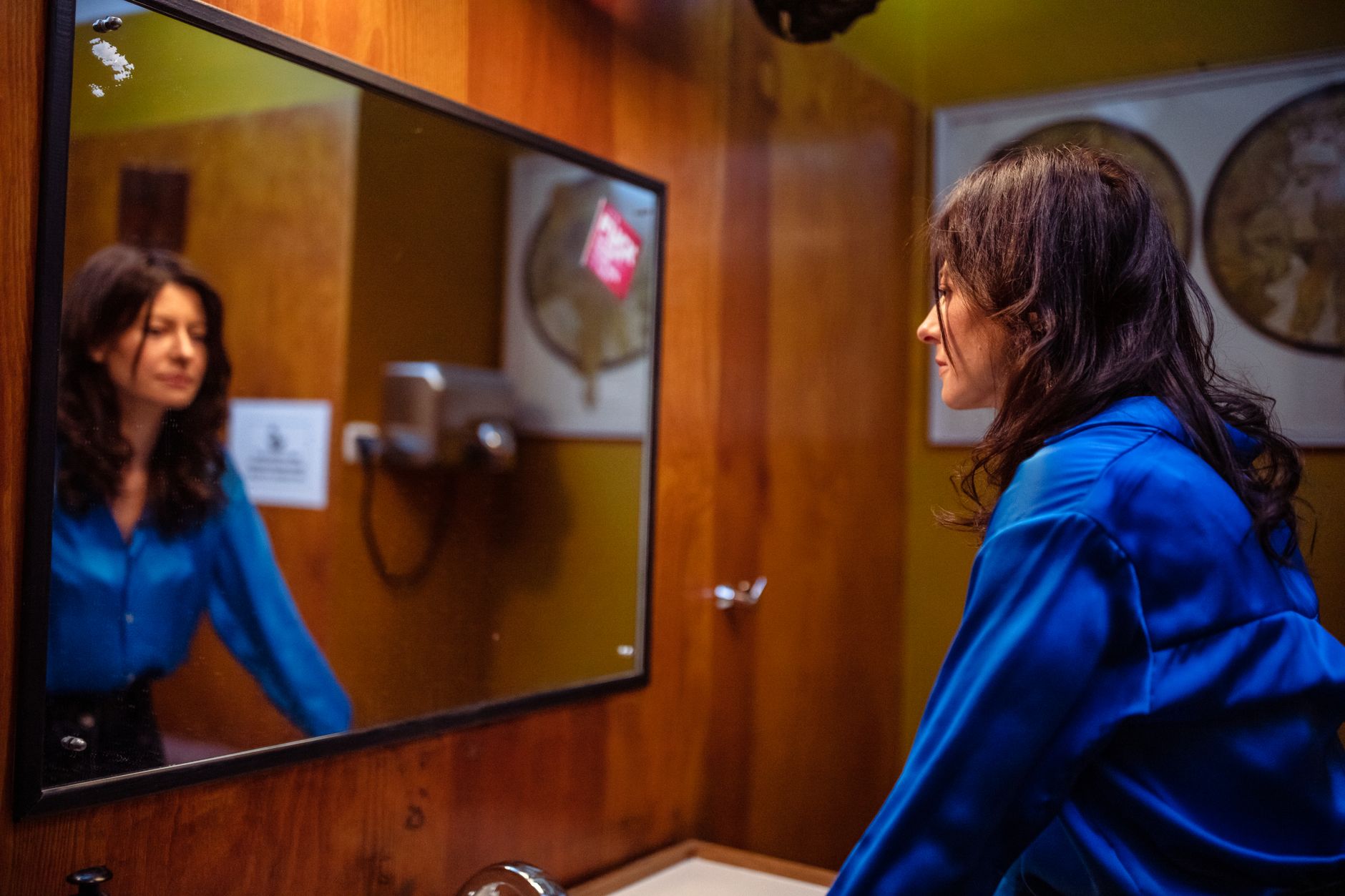
In our fast-paced lives, finding moments of calm and connection can feel like a luxury. We often seek external validation or distractions to cope with stress. But what if a powerful tool for self-discovery and inner peace was right in front of you, quite literally? Introducing mirror gazing, a unique and profound meditative practice that invites you to look inward by looking at yourself. What is Mirror Gazing Meditation? Mirror gazing, sometimes referred to as darshan in some traditions, is a form of meditation where you intentionally make eye contact with your own reflection in a mirror. Unlike many other meditation techniques that involve closing your eyes and focusing inward, mirror gazing brings your attention to your physical self as a gateway to understanding your inner world. It's a practice of sitting with yourself, observing your thoughts, feelings, and physical sensations without judgment. Why Try Mirror Gazing? The Benefits Unveiled You might wonder, "Why would I stare at myself when I could be doing something else?" The truth is, many people find mirror gazing surprisingly beneficial for their mental and emotional well-being. Reports from individuals who practice mirror gazing suggest that dedicating even 10 minutes a day can significantly ease stress and cultivate a deeper sense of self-compassion. Here's a closer look at the potential advantages: Enhanced Self-Awareness: By looking directly at your reflection, you create an intimate space to observe your expressions, your habits, and the subtle ways you react to your own presence. This can lead to a greater understanding of your thoughts and emotions. Stress Reduction: In our busy lives, we rarely give ourselves the quiet time needed to simply be. Mirror gazing provides a dedicated pause, helping to calm the nervous system and reduce feelings of overwhelm. Increased Self-Compassion and Acceptance: It's easy to be critical of ourselves, focusing on perceived flaws. Mirror gazing encourages you to see yourself with kindness, acknowledging your imperfections not as failings, but as part of your unique human experience. This can be particularly helpful in combating negative self-talk. Emotional Exploration: If your eyes are a window to your soul, then mirror gazing offers a direct path to understanding your inner landscape. It can help you identify and process difficult emotions that you might otherwise suppress. Improved Self-Image: While "looks aren't everything," appreciating your appearance and the care you put into yourself can naturally boost self-confidence. Mirror gazing allows you to consciously connect with and appreciate the person looking back at you. How is Mirror Gazing Different from Other Meditations? While mirror gazing shares many benefits with other mindfulness practices, such as improved focus and relaxation, its unique approach sets it apart. The primary distinctions lie in the use of a mirror and the direct confrontation with one's own reflection. Instead of turning inward with closed eyes, you are encouraged to engage with your external image as a means to access your internal state. This practice challenges the common notion that inner work requires shutting out the external world; instead, it uses a part of the external world—your reflection—as a tool for introspection. Getting Started with Mirror Gazing: A Step-by-Step Guide Embarking on mirror gazing is simple and requires minimal preparation. Here’s how you can begin: Find Your Mirror: You'll need a mirror large enough to comfortably see your face. A standing mirror is ideal as holding a hand mirror for an extended period can be distracting and tiring. Ensure it's placed in a quiet, comfortable location where you won't be disturbed. Set a Comfortable Time: Begin with a duration that feels manageable. If 10 minutes seems daunting, start with 5 minutes. You can gradually increase the time as you become more comfortable. Set a gentle timer so you don't have to worry about the clock. Position Yourself: Sit or stand comfortably in front of the mirror. Relax your shoulders and take a few deep breaths. Make Eye Contact: Gently gaze into your own eyes in the reflection. Try not to stare intensely, but rather maintain a soft, steady gaze. Observe Without Judgment: Allow yourself to simply observe. Notice your thoughts, feelings, and any physical sensations that arise. If your mind wanders, gently guide your attention back to your reflection. There's no need to force any particular outcome or have specific meditation goals. The aim is to be present with yourself. Acknowledge and Accept: As you observe, you might notice things you like about yourself, or perhaps things that make you feel uncomfortable. Acknowledge these observations without harsh self-criticism. Remind yourself that everyone has imperfections, and these do not diminish your worth. End Gently: When your timer goes off, take a moment to notice how you feel. You can gently smile at your reflection, perhaps offering yourself a silent word of kindness, before slowly breaking the gaze and returning your attention to your surroundings. Navigating Discomfort: When Looking Inward Feels Hard It's perfectly normal to feel a sense of discomfort, unease, or even aversion when you first start mirror gazing. Our reflections can sometimes bring to the surface insecurities, past mistakes, or aspects of ourselves we'd rather not confront. You might find yourself focusing on perceived flaws, such as wrinkles, blemishes, or the signs of aging. Real-life scenario: Meena, usually busy managing her household and work, found herself feeling agitated during her first mirror gazing session. She noticed a new wrinkle near her eye and immediately felt a pang of self-criticism, thinking, "I look so tired and old." This thought spiraled, bringing up worries about her appearance and aging. The key is to approach these feelings with curiosity rather than judgment. Instead of immediately turning away or criticizing yourself, try to observe the feeling. You can gently acknowledge it by saying to yourself, "I notice I'm feeling critical right now," or "This thought about aging is arising." Remind yourself that these feelings are temporary and that everyone experiences them. The mirror, in this context, becomes a tool for practicing radical acceptance. By staying with the discomfort, you can begin to dismantle the power it holds over you. Remember, mirror gazing isn't about achieving perfection; it's about cultivating a more compassionate relationship with yourself. It's about recognizing that your worth is not tied to your appearance or your perceived flaws. The practice helps you to: Challenge Negative Self-Talk: By consciously observing and acknowledging critical thoughts without acting on them, you weaken their hold. Embrace Imperfection: Understanding that flaws are a universal human experience can foster a sense of connection and reduce feelings of isolation or shame. Cultivate Self-Love: The consistent practice of looking at yourself with kindness and acceptance can gradually build a foundation of self-love and inner peace. When to Seek Professional Guidance While mirror gazing can be a powerful tool for self-improvement, it's important to recognize its limitations. If you are struggling with severe body image issues, deep-seated trauma, or conditions like severe depression or anxiety, mirror gazing alone may not be sufficient. In such cases, it is highly recommended to seek support from a qualified mental health professional. They can provide tailored strategies and therapeutic interventions to address your specific needs. Consult a doctor or therapist if you experience: Intense distress or overwhelming negative emotions during or after mirror gazing. Persistent feelings of worthlessness or self-hatred that interfere with daily life. Thoughts of self-harm. Significant disruption to your eating patterns or social interactions due to body image concerns. Making Mirror Gazing a Habit Integrating mirror gazing into your daily routine can be as simple as setting aside a few minutes each morning or evening. Consistency is more important than duration. Even a few minutes of mindful self-reflection can make a difference over time. Consider placing your mirror in a visible spot as a gentle reminder. Think of it as a daily check-in with your most important relationship—the one with yourself. By showing up for yourself in this way, you can foster greater resilience, self-understanding, and a more peaceful inner life. Frequently Asked Questions About Mirror Gazing Q1: Can mirror gazing help with confidence? Yes, mirror gazing can absolutely boost confidence. By practicing self-acceptance and appreciating your reflection, you build a stronger, more positive relationship with yourself, which naturally translates into increased confidence. Q2: Is it okay if I cry or feel emotional during mirror gazing? It is perfectly okay. Emotions are a natural part of the human experience. If you feel emotional, allow yourself to feel it without judgment. This can be a sign that you are processing deeper feelings, which is a positive step in self-discovery. Q3: What if I find it too difficult to look at myself? If you find it too difficult, start with very short durations, perhaps 1-2 minutes. You can also try focusing on a neutral feature like your eyebrows or the tip of your nose before gradually moving to your eyes. Be patient and kind to yourself; progress takes time. Q4: Can I do mirror gazing with makeup on or while dressed up? Absolutely! You can practice mirror gazing in any state you
In summary, timely diagnosis, evidence-based treatment, and prevention-focused care improve long-term health outcomes.
Visit Hospital
Near You

Could your daily coffee habit be protecting your brain? A massive 2026 study following more than 130,000 people for up to 43 years found that people who drank the most caffeinated coffee had an 18% lower risk of dementia. This piece breaks down what the study actually found, why decaf didn't show th
July 23, 2026
Seeking a migraine specialist in Uluberia? Discover where to find expert diagnosis and treatment for severe headaches. Get relief now.
May 20, 2026
Seeking a male fertility doctor in Jalpaiguri? Discover expert insights on male infertility, treatments, and how to find the right specialist.
May 20, 2026