

Emergency & Help
24/7 Emergency & General Advisory
🚨 24/7 Medical Emergency
Non-Emergency Advisory
10:00 AM – 6:00 PM, Mon–Sat
For appointments & general queries.
24/7 Emergency & General Advisory
🚨 24/7 Medical Emergency
Non-Emergency Advisory
10:00 AM – 6:00 PM, Mon–Sat
For appointments & general queries.
Stay updated with our latest healthcare news and your appointments.
Discover the concept of 'second queer adolescence' – why many LGBTQIA+ individuals experience a second phase of identity exploration and how to embrace your unique journey, no matter your age.
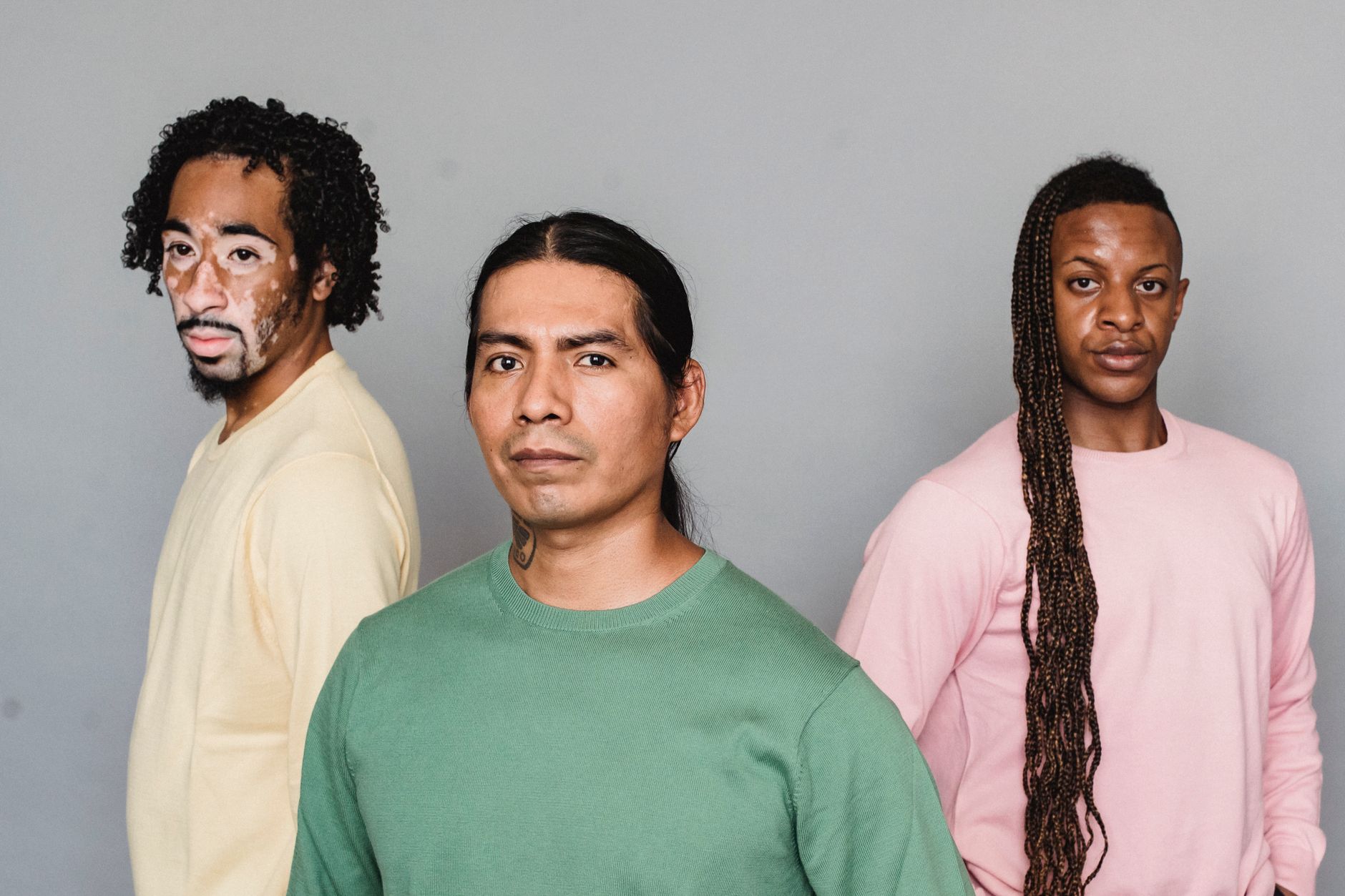
Have you ever felt like you're playing catch-up in the world of romance and relationships? Like your friends, especially those who are straight and cisgender, seem to have navigated these waters much earlier or differently? You're not alone. This feeling, often described as being romantically or sexually "behind," might be linked to a fascinating concept known as the "second queer adolescence."
In 2017, a viral tweet brought this idea into the spotlight, sparking conversations about the unique developmental journey many LGBTQIA+ individuals experience. While the term itself is relatively new, the experiences it describes are deeply familiar to many. It suggests that queer people often live through their formative years, their "teenage years," twice. The first time around, they might be navigating societal expectations, suppressing or slowly coming to terms with their queer identities, and living the lives they're told they *should* embody. Then, later, often after coming out, they get to experience a second phase – a true adolescence where they can explore, express, and celebrate their authentic selves with others who share similar experiences.
Certified sex therapist Casey Tanner, MA, LCPC, explains that the concept of "developmental milestones" we typically associate with adolescence is largely based on compulsory heterosexuality. These milestones – first crushes, first relationships, first sexual experiences – are often framed around the timeline of cisgender, heterosexual peers. For queer individuals, these same milestones might not become accessible or feel safe to explore until after they've embraced their queer identity. This second phase can be a time of immense joy and discovery, offering the chance to connect with a supportive community, celebrate newfound identities, and experience these milestones authentically.
Why Can't Queer People Be Themselves 'The First Time Around'?
The answer, unfortunately, lies in the pervasive presence of -isms and -phobias. From a young age, many queer individuals internalize messages that gender-conforming and heterosexual behavior is rewarded, while anything deviating from that norm is met with disapproval or punishment. This messaging can be overt, like a child being told that a certain interest is "gay," or it can be more subtle, such as discouraging a child from dressing in a way that feels authentic because it's perceived as too "flamboyant," or only asking girls about crushes on boys.
This suppression isn't just about direct communication. It's also deeply influenced by the media landscape. Growing up, many LGBTQIA+ individuals encountered a significant lack of representation in movies, TV shows, and other media. This absence isn't just a missed opportunity for entertainment; it actively contributes to feelings of shame and isolation. When you don't see your experiences reflected back at you, it sends a powerful, albeit often unspoken, message: your identity doesn't exist, or worse, it's something to be hidden. This lack of "social mirroring," as Tanner calls it, can make queer youth feel like their experiences are invalid or undesirable.
The Joys and Challenges of Second Queer Adolescence
Embracing your second queer adolescence can be an incredibly liberating and joyful experience. It's a time for:
However, this journey isn't without its challenges. Some individuals may grapple with feelings of being "behind" their peers, comparing their journey to the timelines of others. There can be a sense of grief for the time lost or the experiences missed during their first adolescence. Internalized homophobia or transphobia can also resurface, requiring ongoing work and self-compassion. It's also important to remember that everyone's timeline is different, and there's no right or wrong way to experience your queer identity.
Embracing Your Personal Timeline
The most vital aspect of navigating second queer adolescence is embracing your personal timeline. Here's how:
When to Seek Professional Support
While second queer adolescence is a natural part of many LGBTQIA+ individuals' lives, there are times when seeking professional support can be immensely beneficial. Consider reaching out to a therapist or counselor if you are experiencing:
Look for therapists who specialize in LGBTQIA+ issues or are part of the queer community themselves. They can provide invaluable guidance and support as you embrace your authentic self.
Frequently Asked Questions (FAQ)
It's a concept describing the experience where queer individuals often go through a second phase of adolescence after coming out, where they can explore their identity, relationships, and sexuality more authentically, often with a supportive community. This is distinct from their first adolescence, where they might have suppressed their identity due to societal pressures.
Yes, it's very common. Because societal timelines for milestones are often based on heterosexual and cisgender experiences, queer individuals may find themselves exploring these aspects of life later. This feeling of being "behind" is a recognized part of the second queer adolescence experience.
You can look for local LGBTQIA+ centers, support groups, online forums, social media groups, or even university clubs if you're a student. Connecting with people who share your experiences is key.
Absolutely! The term "adolescence" is used metaphorically. Whether you're 15 or 50, if you're coming to terms with and exploring your queer identity later in life, you are navigating your own version of a second queer adolescence. Your timeline is valid at any age.
Your journey is your own. Embracing your second queer adolescence isn't about making up for lost time; it's about celebrating the authentic, vibrant person you are becoming, on your own terms and at your own pace. It's a testament to resilience, self-discovery, and the beautiful diversity of human experience.
Visit Hospital
Near You

Could your daily coffee habit be protecting your brain? A massive 2026 study following more than 130,000 people for up to 43 years found that people who drank the most caffeinated coffee had an 18% lower risk of dementia. This piece breaks down what the study actually found, why decaf didn't show th
July 23, 2026
Seeking a migraine specialist in Uluberia? Discover where to find expert diagnosis and treatment for severe headaches. Get relief now.
May 20, 2026
Seeking a male fertility doctor in Jalpaiguri? Discover expert insights on male infertility, treatments, and how to find the right specialist.
May 20, 2026