

Emergency & Help
24/7 Emergency & General Advisory
🚨 24/7 Medical Emergency
Non-Emergency Advisory
10:00 AM – 6:00 PM, Mon–Sat
For appointments & general queries.
24/7 Emergency & General Advisory
🚨 24/7 Medical Emergency
Non-Emergency Advisory
10:00 AM – 6:00 PM, Mon–Sat
For appointments & general queries.
Stay updated with our latest healthcare news and your appointments.
Explore the meaning of pansexuality, its differences from bisexuality, and how to understand your own attractions. A guide for self-discovery and acceptance.

Have you ever wondered about the different ways people experience attraction? In today's world, we're learning more and more about the beautiful diversity of human sexuality. One term that's gaining recognition is 'pansexual'. But what does it really mean? Let's dive in and explore this fascinating aspect of identity. If you're asking yourself, 'Could I be pansexual?', this guide is here to help you navigate your feelings and understanding.
The term 'pansexual' comes from the Greek prefix 'pan,' meaning 'all.' So, at its core, pansexuality describes the potential for attraction to people of all gender identities. This means that for someone who identifies as pansexual, gender is not a primary factor in who they are drawn to romantically, emotionally, or sexually. Think of it like this: someone's personality, their 'vibe,' their kindness, their intelligence – these are the qualities that capture their attention, rather than whether the person identifies as male, female, non-binary, genderfluid, or any other gender identity.
It's a common misconception that pansexual people are attracted to *everyone*. This isn't true! Just like a heterosexual person isn't attracted to every single man on the planet, a pansexual person isn't attracted to every single person. Attraction is complex and personal. Instead, it means that *any* gender is a potential source of attraction. The key phrase here is 'potential for attraction.' It opens the door to a wide spectrum of possibilities, unhindered by traditional gender boundaries.
This is a question that comes up a lot, and it's understandable why! Both pansexuality and bisexuality describe attractions that extend beyond a single gender. Let's break it down:
While these definitions offer clarity, it's vital to remember that sexual orientation is ultimately about self-identification. Jesse Kahn, LCSW-R, CST, explains that the definition can vary based on who is defining it. Some people feel that bisexuality encompasses attraction to all genders, while others find that pansexuality more accurately reflects their experience. The important thing is how *you* feel the label fits your personal experience of attraction. Both terms are valid, and the overlap is significant. The 'big difference,' as some describe it, is that pansexuality generally implies gender neutrality in attraction, whereas bisexuality does not always emphasize this.
Think of it this way: Bisexuality acknowledges attraction to multiple genders. Pansexuality acknowledges attraction to *all* genders, emphasizing that gender itself isn't the deciding factor. It's about recognizing the person, not just their gender label.
Figuring out your sexual orientation is a deeply personal journey of self-discovery. No one else can tell you who you are attracted to. External quizzes, surveys, or even friends' opinions can't definitively determine your orientation. It's all about introspection and understanding your own feelings and experiences. Here are some questions to ponder that might help you on your journey:
Take your time with these questions. Journaling about your thoughts and feelings can be incredibly helpful. Talking with trusted friends, family members, or a therapist can also provide valuable support and perspective. Remember, your identity is yours to define. It’s okay if it takes time to figure things out, and it’s okay if your understanding evolves over time.
It's important to reiterate that attraction is nuanced. For some pansexual individuals, gender plays absolutely no role in their attraction. Their focus is purely on the individual's character, spirit, and connection. For others, gender might be a part of the equation, but not in a restrictive way. They might be attracted to men, women, non-binary people, and genderfluid individuals, among others. The common thread is the *breadth* of potential attraction, unconstrained by traditional gender binaries.
Think about the popular characters you admire. Maybe you connect with David Rose from 'Schitt's Creek' because of his unique style and humor, or perhaps you admire the confidence of Tess Holliday. These connections can sometimes spark questions about our own attractions and how we identify. It's all part of exploring the rich landscape of human connection.
Navigating questions about sexual orientation can sometimes bring up complex emotions. If you're feeling confused, anxious, or need someone to talk to, reaching out for support is a sign of strength. There are many resources available:
Talking with a therapist specializing in LGBTQ+ issues or gender and sexuality can also be incredibly beneficial. They can provide a safe, non-judgmental space for you to explore your identity and feelings.
Pansexuality is a beautiful and valid sexual orientation characterized by attraction to people of all gender identities. It emphasizes that gender is not the defining factor in who someone is attracted to. The journey to understanding your own sexual orientation is personal and unique. Be patient with yourself, explore your feelings, and remember that support is available if you need it. Your identity is a part of what makes you, you – and that's something to celebrate!
Visit Hospital
Near You
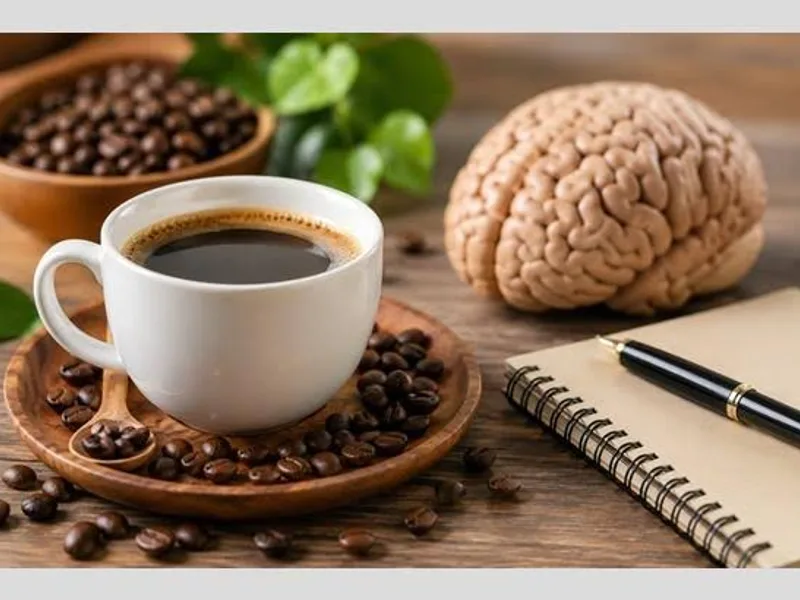
Could your daily coffee habit be protecting your brain? A massive 2026 study following more than 130,000 people for up to 43 years found that people who drank the most caffeinated coffee had an 18% lower risk of dementia. This piece breaks down what the study actually found, why decaf didn't show th
July 23, 2026
Seeking a migraine specialist in Uluberia? Discover where to find expert diagnosis and treatment for severe headaches. Get relief now.
May 20, 2026
Seeking a male fertility doctor in Jalpaiguri? Discover expert insights on male infertility, treatments, and how to find the right specialist.
May 20, 2026