

Emergency & Help
24/7 Emergency & General Advisory
🚨 24/7 Medical Emergency
Non-Emergency Advisory
10:00 AM – 6:00 PM, Mon–Sat
For appointments & general queries.
24/7 Emergency & General Advisory
🚨 24/7 Medical Emergency
Non-Emergency Advisory
10:00 AM – 6:00 PM, Mon–Sat
For appointments & general queries.
Stay updated with our latest healthcare news and your appointments.
Learn about the detailed process of diagnosing schizophrenia, including key symptoms, DSM-5-TR criteria, and the importance of professional evaluation for effective management.
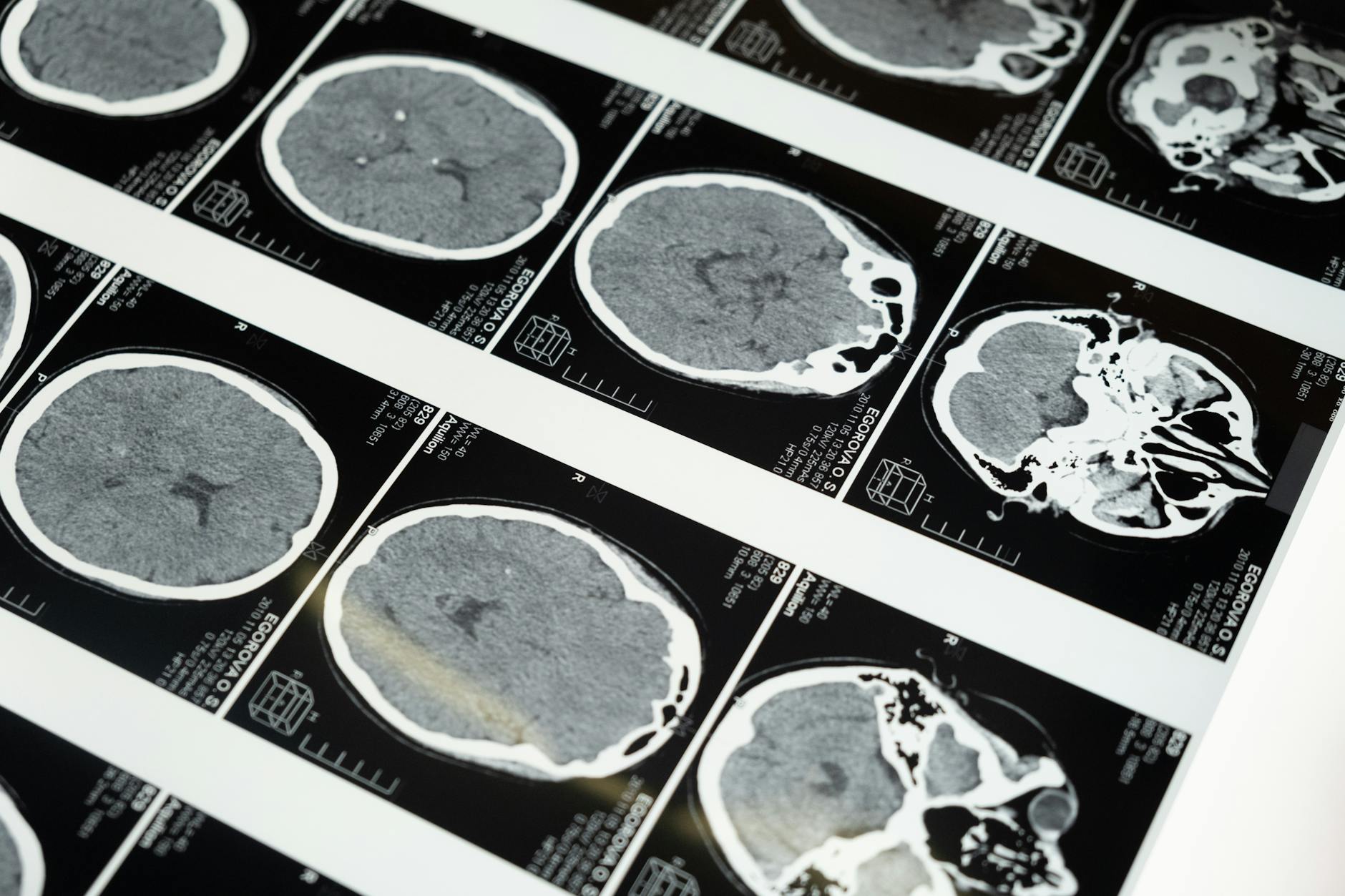
Schizophrenia is a complex and chronic mental health disorder that affects how a person thinks, feels, and behaves. Diagnosing schizophrenia can be a challenging and often lengthy process, as it requires careful evaluation by mental health professionals to distinguish it from other conditions and to ensure the symptoms meet specific diagnostic criteria. This blog post aims to provide a clear, safe, and practical overview of how schizophrenia is diagnosed, focusing on the key symptoms, diagnostic criteria, and the importance of professional assessment for individuals in India and worldwide.
The cornerstone of diagnosing schizophrenia is the Diagnostic and Statistical Manual of Mental Disorders, 5th edition, text revision (DSM-5-TR). This manual provides a standardized framework for mental health professionals to diagnose psychiatric disorders. For a diagnosis of schizophrenia, specific criteria must be met:
The DSM-5-TR groups the symptoms of schizophrenia into two main categories: positive symptoms and negative symptoms. These categories help professionals understand how the illness affects an individual's functioning.
Positive symptoms are those that indicate a distortion or excess of normal functions. They are often referred to as “psychosis” and represent a disturbance in a person's perception of reality. Key positive symptoms include:
Negative symptoms represent a reduction or loss of normal functions. They often involve a withdrawal from the world and can be more subtle than positive symptoms, sometimes being mistaken for other conditions or even laziness. Key negative symptoms include:
To be diagnosed with schizophrenia, an individual must exhibit at least two of the above symptoms, and at least one of these must be delusions, hallucinations, or disorganized speech. Furthermore, these symptoms must be severe enough to significantly interfere with work, social functioning, or self-care.
The amount of time a person experiences these symptoms is crucial for diagnosis. According to the DSM-5-TR, the individual must have experienced symptoms for the majority of at least 1 month within a period of at least 6 months. This 6-month period must include an active phase where the symptoms are prominent, as well as a prodromal or residual phase where the symptoms may be less severe or only manifest as negative symptoms.
A critical part of the diagnostic process is ruling out other medical or mental health conditions that could cause similar symptoms. This includes:
A thorough medical history, physical examination, and sometimes laboratory tests are conducted to exclude these other possibilities.
The diagnosis of schizophrenia is typically made by a psychiatrist or other qualified mental health professional. The process usually involves:
It is important to seek professional help if you or someone you know experiences significant changes in thinking, perception, or behavior that are concerning. These could include:
Friends and family often play a crucial role in encouraging someone to seek help, even when the individual may not perceive their experiences as problematic.
Receiving a diagnosis of schizophrenia is the first step towards effective management and treatment. Treatment typically involves a combination of:
It's important to note that schizophrenia is a chronic condition, but with appropriate diagnosis and consistent treatment, individuals can lead fulfilling and productive lives. Cardiovascular disease is a significant health concern for individuals with schizophrenia, highlighting the importance of integrated care that addresses both mental and physical health.
The diagnosis of schizophrenia is a meticulous process that relies on the careful assessment of specific symptoms, their duration, and the exclusion of other conditions. Understanding these diagnostic criteria is vital for early intervention and effective treatment. If you have concerns about yourself or a loved one, do not hesitate to consult a mental health professional. Early diagnosis and comprehensive care are key to managing schizophrenia and improving the quality of life.
Visit Hospital
Near You

Could your daily coffee habit be protecting your brain? A massive 2026 study following more than 130,000 people for up to 43 years found that people who drank the most caffeinated coffee had an 18% lower risk of dementia. This piece breaks down what the study actually found, why decaf didn't show th
July 23, 2026
Seeking a migraine specialist in Uluberia? Discover where to find expert diagnosis and treatment for severe headaches. Get relief now.
May 20, 2026
Seeking a male fertility doctor in Jalpaiguri? Discover expert insights on male infertility, treatments, and how to find the right specialist.
May 20, 2026