

Emergency & Help
24/7 Emergency & General Advisory
🚨 24/7 Medical Emergency
Non-Emergency Advisory
10:00 AM – 6:00 PM, Mon–Sat
For appointments & general queries.
24/7 Emergency & General Advisory
🚨 24/7 Medical Emergency
Non-Emergency Advisory
10:00 AM – 6:00 PM, Mon–Sat
For appointments & general queries.
Explore the profound impact of trauma on police officers, understanding the challenges they face and the vital importance of mental health support. Learn about signs, coping strategies, and resources available.
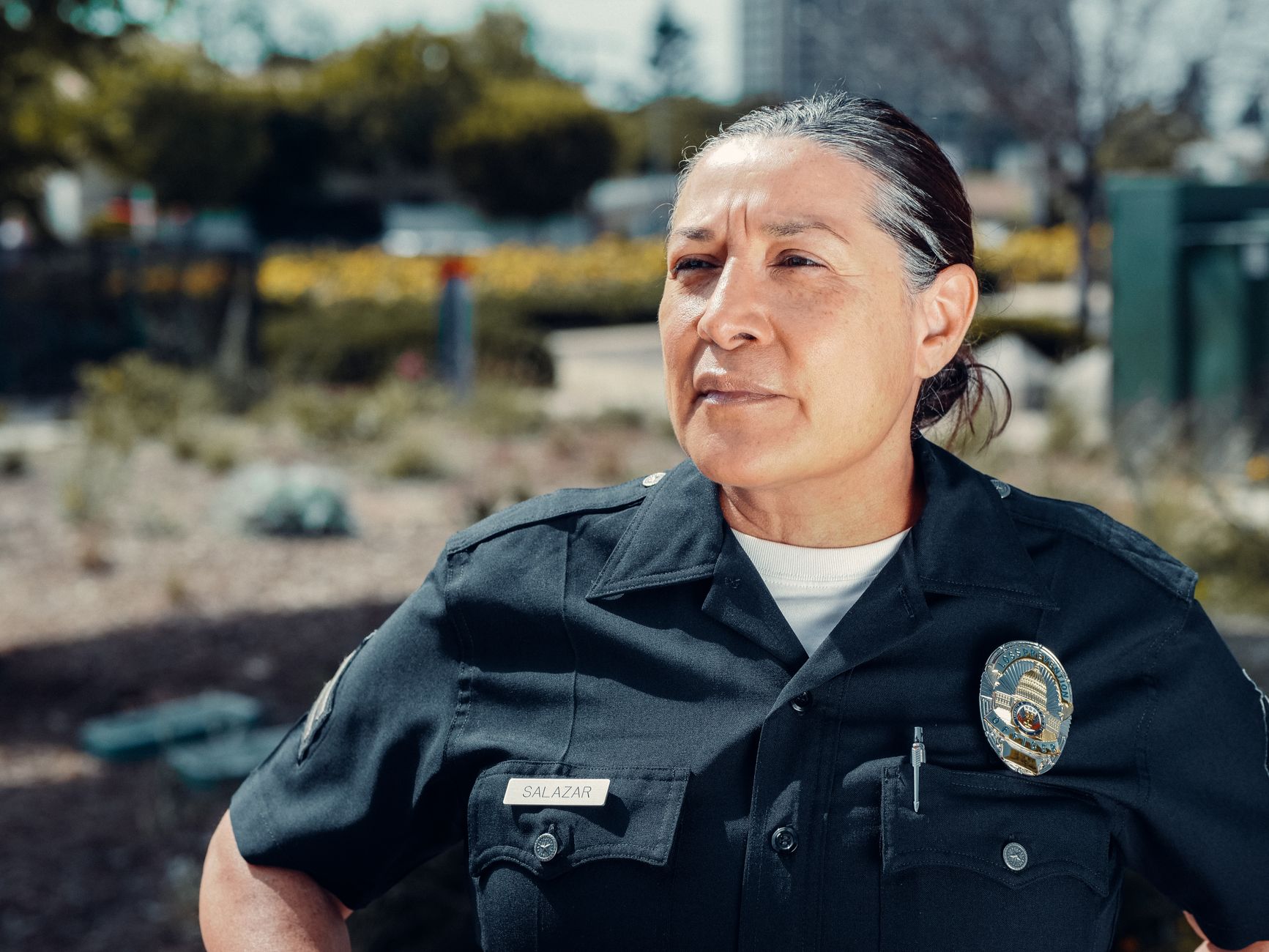
Police officers face extraordinary challenges daily. From high-stress situations to witnessing traumatic events, their work demands immense emotional and psychological resilience. Yet, the mental health toll on these brave individuals is often overlooked, both by society and sometimes, by the officers themselves. This article explores the profound impact of trauma on police officers, drawing insights from experts like Constable James Jefferson, a veteran officer and mental health advocate, and Gabe Howard, a writer and speaker living with bipolar disorder. We aim to shed light on why this issue deserves our urgent attention and what steps can be taken to support the well-being of our law enforcement personnel.
It's a stark reality: police officers are statistically more likely to die by suicide than in the line of duty. This fact, though alarming, is not widely understood. While efforts to ensure officer safety in dangerous situations are paramount, the equally critical aspect of their mental well-being often remains in the shadows. Constable James Jefferson, with over a decade of service, shares his own journey of ignorance regarding mental health during his early years on the force. "I didn’t know anything really about mental health. I didn’t know what PTSD was," he admits. This lack of awareness was common, highlighting a systemic gap in understanding the psychological demands of the profession.
The constant exposure to crisis, violence, and suffering can lead to significant psychological distress. This isn't a sign of weakness; it's a human response to overwhelming circumstances. The cumulative effect of these experiences can manifest in various ways, impacting an officer's personal life, relationships, and overall health. Recognizing these challenges is the first step towards providing effective support.
Trauma, in the context of policing, isn't just about a single, horrific event. It can be the result of repeated exposure to distressing situations – a car accident victim, a domestic dispute gone wrong, a child in danger, or the aftermath of a fatal shooting. These experiences can lead to:
Constable Jefferson's journey illustrates this point. After a critical incident, he had to actively 'pick himself up and dust himself off.' This phrase, he explains, involves a conscious effort to process the experience, seek help, and rebuild his mental resilience. It's a process that requires support, self-awareness, and professional intervention.
Consider Officer Sharma, a dedicated officer with 15 years of service. Recently, he responded to a particularly gruesome accident scene involving children. Despite his training, the images haunted him for weeks. He found himself irritable at home, snapping at his wife and children, and struggling to sleep. He started drinking more heavily each night, telling himself it was just to 'unwind.' He felt ashamed to talk about it, fearing it would be seen as a weakness by his colleagues.
The culture surrounding mental health in policing has been slow to change. Historically, there was a strong emphasis on stoicism and self-reliance. Admitting to mental health struggles was often seen as a career-ending move. However, as Constable Jefferson notes, things are improving. "At that point in time, I didn’t know anything really about mental health," he recalls about his early career. "And I was completely ignorant to the fact that this profession really takes a toll on how we think and how we feel." This growing awareness is a positive sign.
Organizations and departments are increasingly recognizing the need for robust mental health support systems. This includes:
For officers experiencing distress, taking proactive steps is vital. Gabe Howard, who lives with bipolar disorder, emphasizes the importance of changing one's narrative and seeking help to move forward.
The journey to mental wellness for police officers is ongoing. It requires a cultural shift within law enforcement and continued societal support. Constable Jefferson's commitment to helping officers 'one officer at a time' reflects the dedication needed. Gabe Howard's advocacy, stemming from his own experiences, underscores the power of sharing stories and seeking understanding.
If you are an officer struggling, remember you are not alone. Your service is invaluable, and your mental health is equally important. Taking steps to care for yourself is a sign of strength, not weakness. It allows you to continue serving your community effectively and to live a fulfilling life beyond the badge.
Police officers commonly face Post-Traumatic Stress Disorder (PTSD), depression, anxiety, burnout, and an increased risk of substance abuse due to the high-stress nature of their work and exposure to trauma.
Colleagues can offer support by listening without judgment, encouraging the officer to seek professional help, checking in regularly, and helping to reduce the stigma associated with mental health issues within the force. Participating in peer support programs is also beneficial.
Historically, there were concerns, but the culture is changing. Many departments now recognize the importance of mental health and provide resources. Seeking help is increasingly viewed as a responsible action that enhances an officer's ability to perform their duties effectively and sustainably.
Physical health is closely linked to mental health. Regular exercise, proper nutrition, and adequate sleep can significantly improve mood, reduce stress, and build resilience. Initiatives focusing on physical fitness, like those championed by Constable Jefferson, are essential components of comprehensive officer wellness.
Visit Hospital
Near You

Could your daily coffee habit be protecting your brain? A massive 2026 study following more than 130,000 people for up to 43 years found that people who drank the most caffeinated coffee had an 18% lower risk of dementia. This piece breaks down what the study actually found, why decaf didn't show th
July 23, 2026
Seeking a migraine specialist in Uluberia? Discover where to find expert diagnosis and treatment for severe headaches. Get relief now.
May 20, 2026
Seeking a male fertility doctor in Jalpaiguri? Discover expert insights on male infertility, treatments, and how to find the right specialist.
May 20, 2026