

Emergency & Help
24/7 Emergency & General Advisory
🚨 24/7 Medical Emergency
Non-Emergency Advisory
10:00 AM – 6:00 PM, Mon–Sat
For appointments & general queries.
24/7 Emergency & General Advisory
🚨 24/7 Medical Emergency
Non-Emergency Advisory
10:00 AM – 6:00 PM, Mon–Sat
For appointments & general queries.
Stay updated with our latest healthcare news and your appointments.
Explore ableism: understand its meaning, recognize subtle and overt forms of prejudice against people with disabilities, and learn how to challenge it for a more inclusive society.
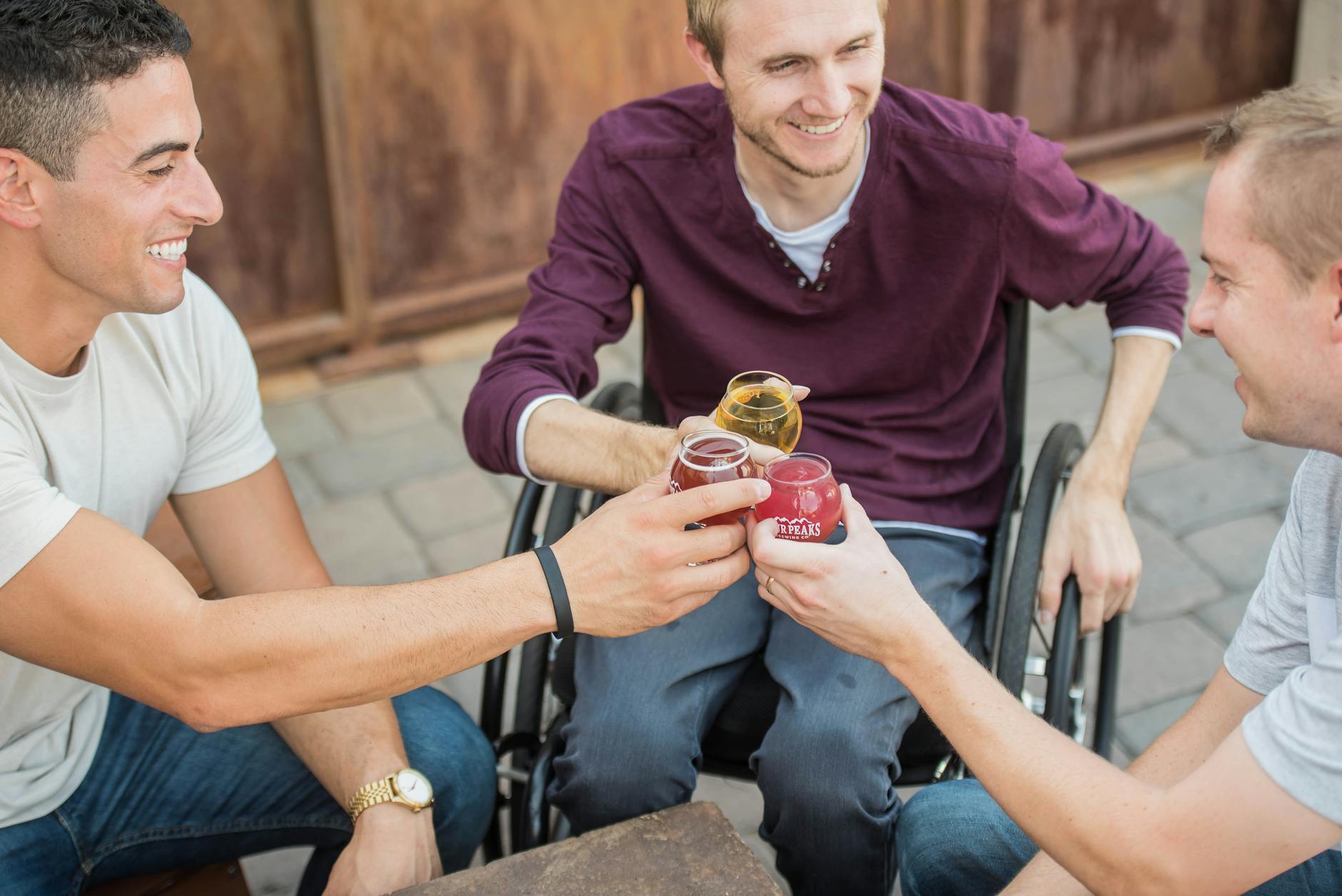
Have you ever heard the term 'ableism' and wondered what it really means? Maybe someone used it, and you felt a bit lost, unsure if your own words or actions might have been unintentionally hurtful. It's a common situation! Ableism is more than just obvious insults; it's a complex web of prejudice, bias, and discrimination that people with disabilities face every day. Sometimes it's blatant, like mocking someone, but often it's subtle, hiding in our language, assumptions, and even our well-intentioned but misguided thoughts. Let's break down what ableism truly is and why it matters so much. It's about recognizing that disabilities aren't just physical; they can be mental, chronic, or affect daily life in myriad ways. The Americans with Disabilities Act defines a disability as any condition that significantly impacts at least one major life activity. This could be anything from mobility challenges to difficulties with sight, hearing, breathing, eating, or even social interaction and personal care. The crucial part? It affects a person's ability to do things like walk, see, hear, eat, breathe, or even interact with others. It can also impact fundamental self-care like showering or using the bathroom. What Exactly Is Ableism? At its core, ableism is any belief or practice that devalues and discriminates against people with disabilities. It operates on the assumption that non-disabled people are superior. This can manifest in countless ways, some of which might surprise you: Devaluing Worth: Believing that people with disabilities are less valuable or have less to contribute to society. The 'Cure' Mentality: Constantly assuming that people with disabilities want to be 'cured' or 'overcome' their condition, rather than accepting and supporting them as they are. Inspiration Porn: Praising individuals with disabilities for performing everyday tasks, implying that simply existing with a disability is an extraordinary feat. Think of comments like, 'Wow, you're so inspirational for just going to work!' Pity and Condescension: Feeling sorry for people with disabilities, assuming their lives are inherently unhappy or limited. This patronizing attitude strips them of their agency and individuality. Assuming Helplessness: Believing that people with disabilities cannot take care of themselves or make their own decisions. This undermines their autonomy and independence. Exclusionary Language: Using terms like 'normal' or 'healthy' as defaults, implicitly marginalizing those who don't fit these narrow definitions. Intrusive Questions: Asking overly personal or inappropriate questions about someone's disability, crossing boundaries and treating them as objects of curiosity rather than individuals. Unauthorized Physical Contact: Touching a person or their mobility aids (like wheelchairs or canes) without their explicit permission. This is a violation of personal space and autonomy. Ignoring Needs: Dismissing or refusing to acknowledge requests for reasonable accommodations or denying the existence of someone's disability. Refusing Preferred Terminology: Insisting on using specific labels or terms for a disability when the individual has expressed a preference for different language (e.g., 'person with a disability' vs. 'disabled person,' 'Deaf' vs. 'deaf,' 'wheelchair user' vs. 'person in a wheelchair'). Using Ableist Slurs: Employing derogatory language that targets people with disabilities, especially after being asked to stop. Ableism isn't always loud and aggressive. It often wears a mask of concern or helpfulness. You might see it in well-meaning but misguided attempts to 'help' someone without asking first, or in the subtle exclusion of people with disabilities from social events or professional opportunities. It can even be embedded in the very structure of our society, from inaccessible buildings to communication barriers. Intent vs. Impact A common point of confusion is the difference between intent and impact. Someone might say something they don't *intend* to be hurtful, like using a casual phrase that has ableist roots. For example, casually saying something is 'lame' or 'crazy' might seem harmless, but it dismisses the experiences of people who live with physical or mental health conditions. The intent might be simply to express mild disapproval, but the impact is that it reinforces negative stereotypes and normalizes derogatory language. Consider this: You see a classmate using a cane who drops their backpack. Your immediate instinct might be to rush over and pick it up for them. Your *intent* is to be helpful. However, if you do this without asking, you might inadvertently convey that you see them as incapable of managing their own belongings. The *impact* could be a feeling of being patronized or infantilized. A better approach? 'Do you need a hand with that?' Recognizing ableism means understanding that even if you don't *mean* to be discriminatory, your actions or words can still cause harm. The focus needs to shift from 'I didn't mean it' to 'How did my actions affect someone else?' The Pervasive Nature of Ableism Ableism infiltrates many aspects of life. It shapes how we design our cities (are there ramps? audible crosswalk signals?), how we structure our workplaces (are accommodations readily available and discussed openly?), and even how we communicate (is our language inclusive?). Think about media portrayals. How often are characters with disabilities depicted solely as objects of pity, burdens, or villains? This reinforces harmful stereotypes. Or consider everyday language. Phrases like 'blind to the truth,' 'deaf to my pleas,' or 'falling on deaf ears' subtly link disabilities with negative traits. Examples of Ableism in Action: A company advertises jobs but doesn't mention accessibility or provide an easy way to request accommodations. A teacher assumes a student with dyslexia won't be able to keep up with the reading load and doesn't offer alternative assignments. Friends make jokes about someone being 'so OCD' because they like things neat and tidy, trivializing a serious mental health condition. A building has stairs at the entrance but no ramp or elevator, making it inaccessible to wheelchair users or people with mobility issues. Someone dismisses a person's chronic pain by saying, 'You don't look sick,' implying that if a disability isn't visible, it isn't real or valid. Public transportation systems that lack audio announcements for visually impaired passengers or visual displays for hearing-impaired passengers. Online forms that don't offer sufficient options for describing gender identity or disability status, forcing individuals into inaccurate boxes. Social media platforms that automatically add alt-text to images, sometimes inaccurately, and don't provide users with an easy way to correct it for visually impaired users. Healthcare providers who talk down to patients with disabilities, use overly simplistic language, or make assumptions about their quality of life. Entertainment that portrays disability solely as a source of tragedy or a plot device for a non-disabled character's growth, rather than featuring authentic disabled characters living full lives. The Impact of Ableism on Individuals Living in a society rife with ableism takes a significant toll. People with disabilities often experience: Internalized Ableism: This is when individuals with disabilities start to believe the negative stereotypes and prejudices about themselves. They might feel shame about their disability, hide it, or believe they are indeed less capable. Mental Health Challenges: The constant struggle against prejudice, discrimination, and lack of access can lead to increased rates of anxiety, depression, and other mental health issues. The feeling of being constantly judged, misunderstood, or excluded is exhausting. Social Isolation: Ableism can create barriers to social participation, leading to loneliness and a lack of meaningful connections. inaccessible venues, communication difficulties, and social stigma all contribute. Economic Disadvantage: Discrimination in education and employment often results in lower income levels and higher rates of unemployment among people with disabilities. Reduced Autonomy: When society constantly makes decisions for or about people with disabilities, assuming they can't make their own choices, it erodes their sense of control over their own lives. Challenging Ableism: What Can We Do? Dismantling ableism requires conscious effort from everyone. It's not just the responsibility of people with disabilities to educate others; it's a collective effort. Educate Yourself and Others: Listen and Learn: Pay attention to the experiences of people with disabilities. Read their blogs, follow them on social media, and listen to their stories without judgment. Examine Your Language: Be mindful of the words you use. Avoid slang or phrases that have ableist origins. If you're unsure, ask or look it up. Replace 'crippled,' 'handicapped,' 'insane,' 'lunatic,' 'dumb,' 'idiot,' 'retarded' with respectful alternatives. Challenge Assumptions: Question your own preconceived notions about disability. Don't assume someone's capabilities or limitations based on their visible or invisible condition. Promote Inclusivity: Advocate for Accessibility: Support initiatives that make physical spaces, information, and technology accessible to everyone. This includes ramps, elevators, sign language interpreters, closed captions, and screen reader compatibility. Support Disabled Creators: Amplify the voices and work of artists, writers, entrepreneurs, and activists with disabilities. Be an Ally: Speak up when you witness ableism. Correct misinformation respectfully. Offer support and accommodations when needed, and always ask first. Use Person-First or Identity-First Language Appropriately: Generally, person-first language ('person with a disability') is preferred, but some communities, like the Deaf or Autistic communities, prefer identity-first language ('Deaf person,' 'Autistic person'). When in doubt, ask the individual what they prefer. In the Workplace and Education: Ensure that hiring processes are inclusive and accommodations are discussed openly and without
In summary, timely diagnosis, evidence-based treatment, and prevention-focused care improve long-term health outcomes.
Visit Hospital
Near You

Could your daily coffee habit be protecting your brain? A massive 2026 study following more than 130,000 people for up to 43 years found that people who drank the most caffeinated coffee had an 18% lower risk of dementia. This piece breaks down what the study actually found, why decaf didn't show th
July 23, 2026
Seeking a migraine specialist in Uluberia? Discover where to find expert diagnosis and treatment for severe headaches. Get relief now.
May 20, 2026
Seeking a male fertility doctor in Jalpaiguri? Discover expert insights on male infertility, treatments, and how to find the right specialist.
May 20, 2026