

Emergency & Help
24/7 Emergency & General Advisory
🚨 24/7 Medical Emergency
Non-Emergency Advisory
10:00 AM – 6:00 PM, Mon–Sat
For appointments & general queries.
24/7 Emergency & General Advisory
🚨 24/7 Medical Emergency
Non-Emergency Advisory
10:00 AM – 6:00 PM, Mon–Sat
For appointments & general queries.
Discover the four main attachment styles: secure, anxious-preoccupied, anxious-avoidant, and disorganized. Learn how these styles develop and their impact on your child's future relationships, with practical tips for Indian parents.
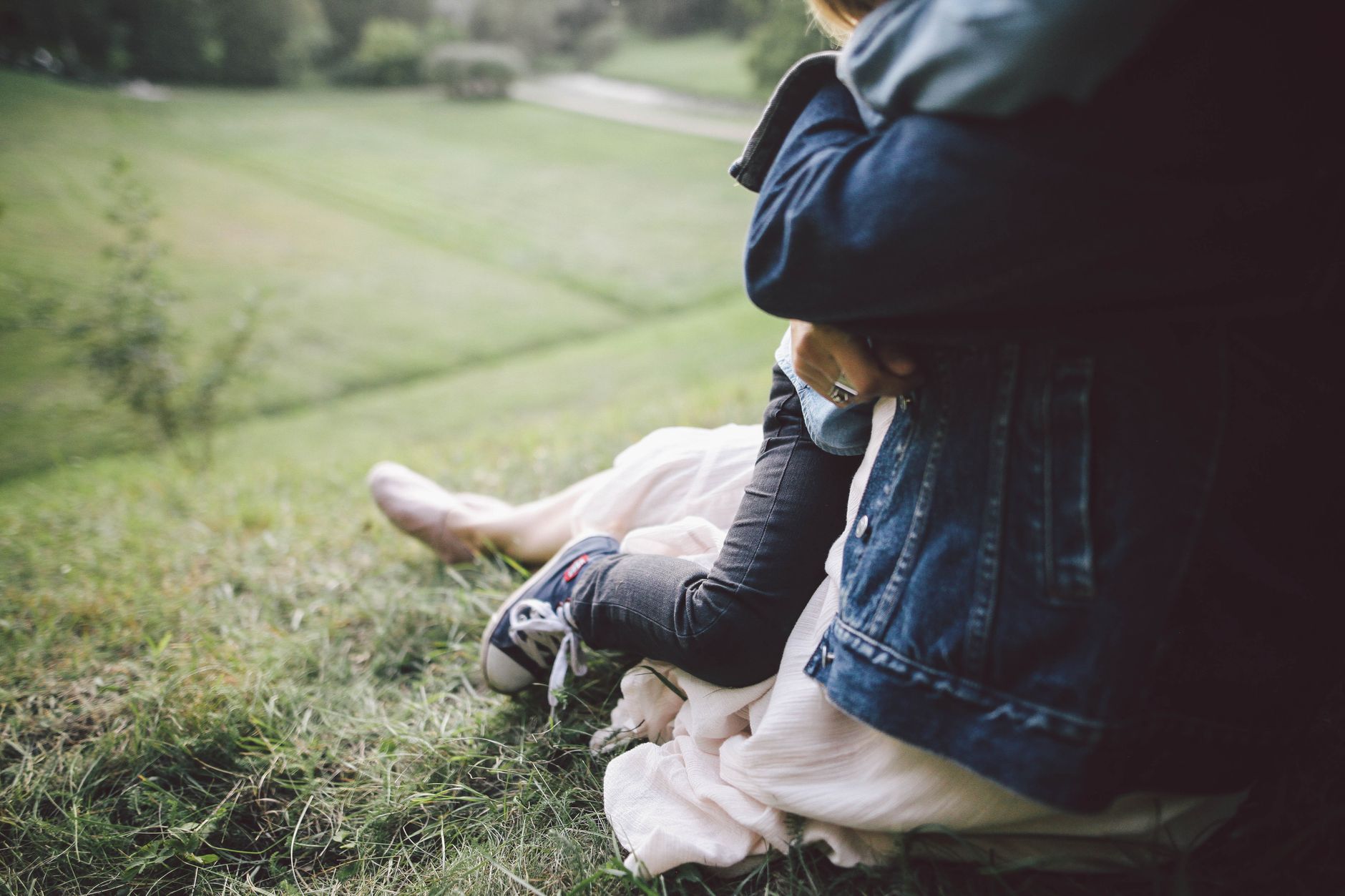
As parents in India, we wear many hats. We nurture, we guide, we protect, and we teach. Beyond the daily routines of feeding, bathing, and schooling, there's a deeper connection we build with our children – their sense of security and belonging. This connection, known as attachment, forms the very foundation of their emotional well-being and influences their relationships throughout life. Understanding attachment styles can empower you to build stronger, healthier bonds with your child.
Attachment theory, a cornerstone of developmental psychology, was pioneered by British psychiatrist John Bowlby and further developed by American-Canadian psychologist Mary Ainsworth in the mid-20th century. Their groundbreaking work highlighted how the early relationship between a child and their primary caregiver shapes a child's perception of the world and their ability to form relationships later on.
Imagine this common scenario: A toddler, exploring a park in Delhi, trips and scrapes their knee. They look back at their mother, tears welling up. The mother rushes over, offers a comforting hug, cleans the wound, and reassures them, "It's okay, beta, just a small scratch. Let's get you back to playing." This responsive, loving interaction helps the child feel safe, understood, and secure, reinforcing a healthy attachment.
Conversely, consider another situation: A young child in a busy Mumbai household, feeling overwhelmed by a sibling's tantrum, seeks comfort from their father. However, the father is preoccupied with work calls and dismisses the child's distress, saying, "Can't you see I'm busy? Go sort it out yourself." This lack of consistent emotional support can leave the child feeling alone and anxious, potentially impacting their sense of security.
The bond you share with your child is more than just affection; it's a blueprint for their future. When children feel consistently loved, supported, and understood, they develop a sense of trust. This trust extends not only to their caregivers but also to the world around them. Children with secure attachments are better equipped to:
Research consistently shows that secure attachment in infancy and early childhood is linked to better mental health outcomes and fewer behavioral problems later in life. Conversely, insecure attachment styles can sometimes be associated with increased challenges in emotional regulation and social interactions.
Mary Ainsworth identified three primary attachment styles, and later research added a fourth. These styles emerge based on how consistently caregivers respond to a child's needs for comfort, safety, and exploration. Let's explore each one:
This is the healthiest attachment style, and what most parents aim for. Secure attachment develops when caregivers are consistently available, sensitive, and responsive to their child's needs. This doesn't mean being perfect or never making mistakes. It means that when a child expresses distress or seeks comfort, the caregiver provides a reliable source of reassurance and support.
Characteristics of Secure Attachment:
Outcomes: Children who develop secure attachments tend to be more self-reliant, have higher self-esteem, and are adept at forming healthy relationships throughout their lives. As adults, they are generally more comfortable with intimacy and interdependence.
This attachment style can develop when caregivers respond to a child's needs inconsistently. Sometimes the caregiver is available and loving, and other times they are not. This unpredictability can leave the child feeling insecure and anxious, as they cannot rely on consistent care.
Characteristics of Anxious-Preoccupied Attachment:
Outcomes: Individuals with this attachment style may struggle with self-doubt, fear of abandonment in relationships, and can be overly dependent on others for validation.
This style can emerge when caregivers are consistently dismissive of a child's needs or are intrusive and overly controlling. The child learns that expressing their needs or seeking comfort often leads to rejection or an invasion of their space. To cope, they learn to suppress their emotions and become more self-reliant, appearing independent even when they feel distress.
Characteristics of Anxious-Avoidant Attachment:
Outcomes: As adults, individuals with this attachment style may struggle with intimacy, appear emotionally distant, and have difficulty asking for help or expressing their needs.
This is the most complex attachment style and often develops in situations where the caregiver is perceived as frightening, unpredictable, or abusive. The child experiences their caregiver as both a source of comfort and a source of fear, leading to confused and contradictory behaviors.
Characteristics of Disorganized Attachment:
Most people do not notice early warning signs right away. That is common. A simple symptom diary, basic routine checks, and timely follow-up visits can prevent small problems from becoming serious.
If you are already on treatment, stay consistent with medicines and lifestyle advice. If your symptoms change, do not guess. Check with a qualified doctor and update your plan early.
Write down symptoms, triggers, and timing for a few days.
Carry old prescriptions and test reports to your consultation.
Ask clearly about side effects, red-flag signs, and follow-up dates.
Seek urgent care for severe pain, breathing trouble, bleeding, fainting, or sudden worsening.
Visit Hospital
Near You

Could your daily coffee habit be protecting your brain? A massive 2026 study following more than 130,000 people for up to 43 years found that people who drank the most caffeinated coffee had an 18% lower risk of dementia. This piece breaks down what the study actually found, why decaf didn't show th
July 23, 2026
Seeking a migraine specialist in Uluberia? Discover where to find expert diagnosis and treatment for severe headaches. Get relief now.
May 20, 2026
Seeking a male fertility doctor in Jalpaiguri? Discover expert insights on male infertility, treatments, and how to find the right specialist.
May 20, 2026