

Emergency & Help
24/7 Emergency & General Advisory
🚨 24/7 Medical Emergency
Non-Emergency Advisory
10:00 AM – 6:00 PM, Mon–Sat
For appointments & general queries.
24/7 Emergency & General Advisory
🚨 24/7 Medical Emergency
Non-Emergency Advisory
10:00 AM – 6:00 PM, Mon–Sat
For appointments & general queries.
Stay updated with our latest healthcare news and your appointments.
Explore the concept of gender socialization, how it shapes our understanding of 'boys' and 'girls', and its impact on individuals and society. Learn about the roles of family, media, and peers in this lifelong process and how we can challenge limiting stereotypes for a more equitable future.
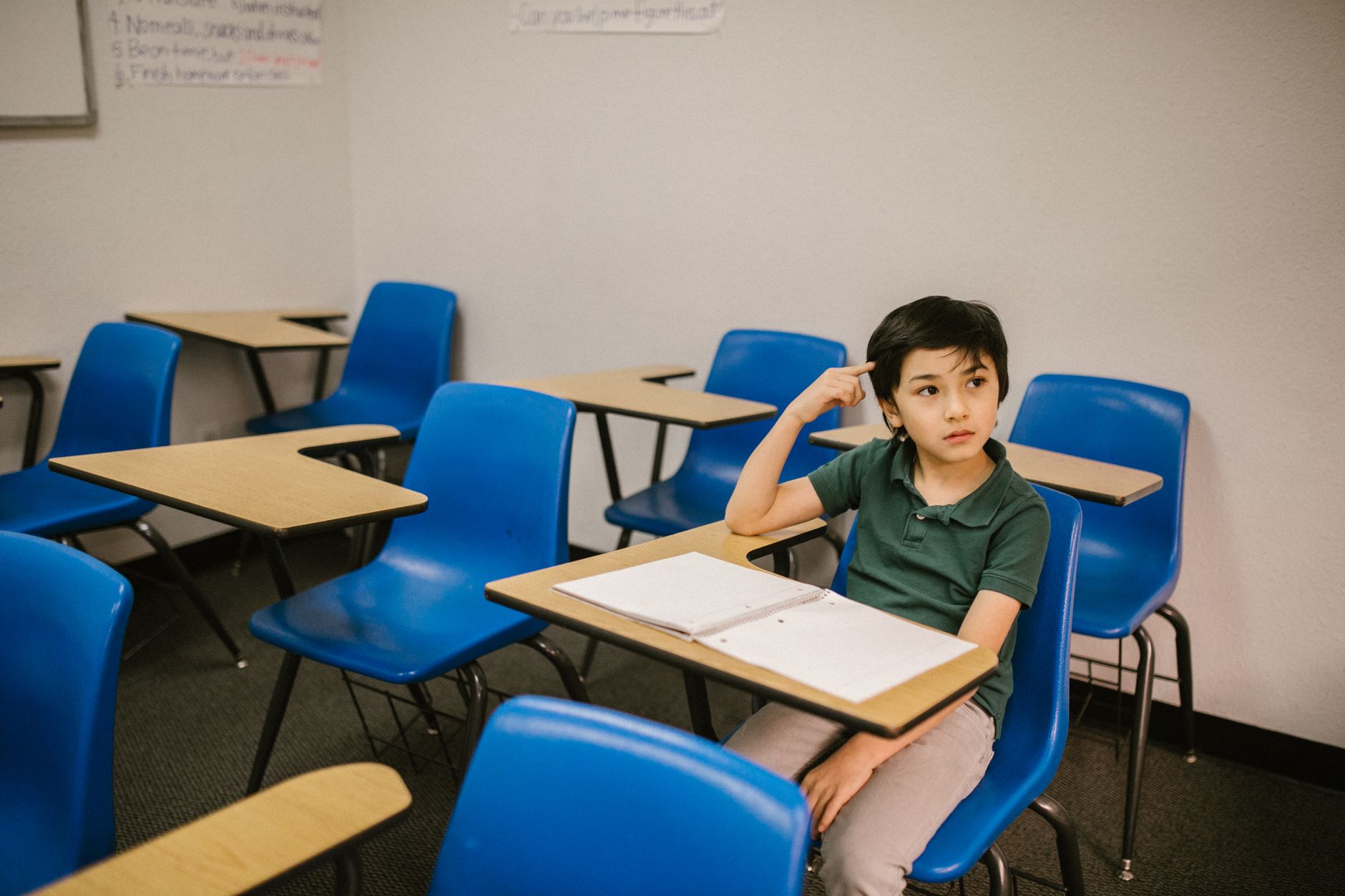
Gender socialization is a fundamental concept that shapes how we understand ourselves and our place in society. It refers to the process through which individuals learn and internalize the norms, behaviours, and expectations associated with their assigned gender. This learning begins from the moment we are born and continues throughout our lives, influenced by a myriad of factors including family, peers, education, media, and cultural traditions. In India, like many other cultures, gender roles have historically been quite defined, though societal shifts are gradually leading to more fluid interpretations. What is Gender Socialization? At its core, gender socialization is about the ways children are raised and the specific expectations that are taught to them based on their perceived gender. In many societies, including traditional Indian contexts, infants are assigned a gender at birth – typically ‘boy’ or ‘girl’ – based on their physical characteristics. This assignment then triggers a cascade of learned behaviours and societal expectations. For instance, boys might be encouraged towards activities perceived as rough and competitive, while girls might be guided towards nurturing and domestic roles. This process isn't always conscious; much of it is subtle, embedded in everyday interactions and observations. The terms 'sex' and 'gender' are often used interchangeably, but they have distinct meanings. Sex refers to biological attributes, such as chromosomes (XX for female, XY for male) and anatomy. Gender , on the other hand, is a social construct – it encompasses the roles, behaviours, expressions, and identities that a society associates with being male, female, or other gender identities. Gender socialization is the process by which we learn these gendered roles and expectations. It's important to acknowledge that human biology is diverse. Intersex variations occur when a person is born with reproductive or sexual anatomy that doesn't fit the typical definitions of female or male. Historically, these variations have often been misunderstood or forced into binary gender categories through medical interventions. Understanding intersex variations is crucial for a comprehensive view of gender and identity. The terms we use also reflect this distinction: Female/Male: Clinical terms referring to biological sex characteristics. Woman/Girl, Man/Boy: Cultural terms referring to gender identity and social roles. Nonbinary: A term for gender identities that fall outside the male/female binary. AFAB (Assigned Female At Birth): Refers to someone raised as a girl, regardless of their current gender identity. AMAB (Assigned Male At Birth): Refers to someone raised as a boy, regardless of their current gender identity. The assignment of gender at birth is often based on external genitalia, a practice that highlights how societal norms, rather than definitive biological mapping (like chromosome analysis, which is rarely done at birth), often dictate initial gender categorization. How Boys and Girls Are Socialized Differently From a young age, children absorb information about how the world works and their expected place within it. This learning process often differs significantly based on gender. In India, traditional upbringing often reinforces distinct roles: Toys and Play: Boys might be given toy cars, action figures, and building blocks, encouraging spatial skills and assertiveness. Girls might receive dolls, kitchen sets, and art supplies, fostering nurturing and creative expression. Clothing and Appearance: Expectations around dress and grooming can vary. Boys might be encouraged to have short hair and wear practical clothing, while girls might be encouraged to wear dresses, keep longer hair, and pay more attention to appearance. Emotional Expression: Boys are often taught to suppress emotions like sadness or fear, being told to 'be brave' or 'don't cry like a girl.' Girls may be allowed or even encouraged to express a wider range of emotions, though sometimes in ways that are seen as less assertive. Activities and Hobbies: Boys might be steered towards sports, science, or technology, while girls might be encouraged towards arts, music, or domestic skills. Education and Career Aspirations: Historically, career paths were often gendered, with certain professions seen as more suitable for men and others for women. While this is changing, subtle biases can still influence educational choices and career ambitions. Social Interactions: Boys might be encouraged to be outgoing and competitive, while girls might be taught to be polite, accommodating, and focused on relationships. These differences are not inherent but are learned through observation and direct instruction. They shape our perceptions, opportunities, and even our self-esteem. The Role of Family, Peers, and Media The primary agents of gender socialization are: Family: Parents and guardians play a crucial role, consciously or unconsciously reinforcing gender norms through their interactions, the toys they provide, and the chores they assign. Family traditions and cultural practices within the household significantly influence a child's understanding of gender. Peers: As children grow, their peer groups become increasingly influential. Children learn from their friends what is considered acceptable behaviour for their gender, often enforcing these norms through social acceptance or rejection. Education System: Schools can perpetuate gender stereotypes through curriculum, teacher-student interactions, and the organization of activities. While efforts are made to promote equality, subtle biases can still exist. Media: Television, movies, advertisements, social media, and literature often portray gender in stereotypical ways. These portrayals can significantly impact how children and adults perceive gender roles and expectations. For example, advertisements for toys often clearly target boys or girls, reinforcing traditional associations. Gender Socialization Throughout Life While the most intense period of gender socialization occurs in childhood, it is a lifelong process. As individuals mature, they continue to navigate and sometimes redefine gender
In summary, timely diagnosis, evidence-based treatment, and prevention-focused care improve long-term health outcomes.
Visit Hospital
Near You

Could your daily coffee habit be protecting your brain? A massive 2026 study following more than 130,000 people for up to 43 years found that people who drank the most caffeinated coffee had an 18% lower risk of dementia. This piece breaks down what the study actually found, why decaf didn't show th
July 23, 2026
Seeking a migraine specialist in Uluberia? Discover where to find expert diagnosis and treatment for severe headaches. Get relief now.
May 20, 2026
Seeking a male fertility doctor in Jalpaiguri? Discover expert insights on male infertility, treatments, and how to find the right specialist.
May 20, 2026