

Free Helpline
We are here to assist you.
Health Advisor
+91-8877772277Available 7 days a week
10:00 AM – 6:00 PM to support you with urgent concerns and guide you toward the right care.

We are here to assist you.
Health Advisor
+91-8877772277Available 7 days a week
10:00 AM – 6:00 PM to support you with urgent concerns and guide you toward the right care.
Explore the meaning of sex positivity, its principles, and how to embrace a healthier, shame-free approach to sexuality. Learn about consent, education, and well-being.

In today's world, you might hear the term “sex-positive” being used frequently, often alongside hashtags like #FreeTheNipple or #SexualHealthIsHealth. But what does it truly mean to be sex-positive? It's far more than just casual encounters or open discussions about sex; it's a fundamental shift in how we view and experience our sexuality, replacing shame with pleasure and judgment with freedom. This approach encourages a healthy, respectful, and informed engagement with sex and desire, recognizing its potential to be a positive force in our lives.
At its core, sex positivity is the belief that sexual expression and exploration are healthy and positive aspects of human life. It advocates for a non-judgmental and respectful attitude towards diverse sexualities and gender expressions, provided that consent is always present. This philosophy emphasizes that sex can be a source of joy, connection, well-being, and personal growth.
The concept has roots tracing back to the 1920s with psychoanalyst Wilhelm Reich, who suggested that sex was healthy and good, a notion that gained traction during the sexual revolution of the 1960s. Today, it champions open communication, comprehensive education, and informed decision-making about our bodies and sexual health. It's about creating a safe space for individuals to explore, understand, and express their sexuality without fear or shame.
Before diving deeper into sex positivity, it's helpful to understand its opposite: sex negativity. Sex negativity is deeply ingrained in societal norms and often approaches sex from a place of fear, oppression, and stigma. This can manifest in various ways:
Sex negativity often assumes that human sexuality is inherently dangerous, shameful, or something to be controlled and suppressed. This pervasive negativity can significantly impact individuals' self-esteem, sexual health, and overall well-being.
Becoming sex-positive involves actively challenging negative societal messages and embracing a more liberating perspective. The key principles include:
This is the non-negotiable foundation of sex positivity. Enthusiastic, clear, and ongoing consent must be present in any sexual activity. It means actively seeking and respecting a partner's agreement, ensuring everyone involved feels comfortable and safe.
Sex positivity advocates for comprehensive and accurate sex education. This includes learning about anatomy, reproduction, contraception, sexually transmitted infections (STIs), pleasure, and diverse sexual orientations and gender identities. Knowledge empowers individuals to make informed choices about their sexual health and relationships.
Sexuality is recognized as a vital part of overall health and well-being. Sex positivity encourages the pursuit of sexual pleasure and satisfaction in a healthy, consensual manner. It acknowledges that sexual expression can be a source of joy, intimacy, and self-discovery.
A sex-positive approach respects and celebrates the diversity of human sexuality and gender expression. It means being non-judgmental towards different sexual orientations, gender identities, relationship structures, and sexual practices, as long as they are consensual and do not harm others.
A central aim of sex positivity is to dismantle the shame and stigma often associated with sex and sexuality. It encourages open conversations and a more honest, accepting view of our desires and experiences.
Transitioning to a sex-positive mindset is an ongoing journey, not a destination. Here are practical steps you can take:
Start by examining your own beliefs and attitudes about sex and sexuality. Where did they come from? Are they based on judgment or fear? Becoming aware of your ingrained sex-negative messages is the first step to dismantling them. Notice the times society tells you sex is bad or shameful.
Educate yourself from reliable sources. Read books, follow reputable sex educators online, and engage with resources that provide comprehensive and non-judgmental information about sexual health and pleasure. Websites like those from Planned Parenthood or WHO are excellent starting points.
In your relationships, prioritize open and honest communication about desires, boundaries, and consent. Make sure you and your partners understand and respect each other's needs and limits. Enthusiastic consent means checking in regularly, not just assuming.
When you encounter sex-negative attitudes or misinformation, speak up if you feel safe and comfortable doing so. This could be in conversations with friends, family, or even by engaging with content online. Your voice can help shift perspectives.
Give yourself permission to explore and enjoy your sexuality without guilt. This might involve self-pleasure, learning about your body, or engaging in consensual sexual activities that bring you joy and fulfillment.
Consider Priya, a young woman who grew up with strict, conservative views on sex. She felt immense shame whenever she experienced sexual thoughts or desires. When she started dating Ravi, she was terrified to talk about contraception or her sexual history. Ravi, noticing her discomfort, gently initiated a conversation about sexual health, emphasizing that her comfort and safety were his top priorities. He shared his own knowledge and encouraged her to ask questions without judgment. Through this open dialogue and his patient approach, Priya began to feel less shame and more empowered to discuss her sexual needs and boundaries, fostering a healthier intimacy between them.
No, absolutely not! You do not need to be sexually active to be sex-positive. The core of sex positivity lies in your beliefs and attitudes. It means genuinely believing that others can explore and express their sexuality in ways that are consensual and fulfilling for them, without judgment or shame. It's about advocating for a world where sexuality is viewed positively and openly.
While sex positivity encourages exploration, it's also important to address any underlying concerns with healthcare professionals. You should consult a doctor or therapist if you experience:
A healthcare provider or a therapist specializing in sexual health can offer guidance, support, and appropriate medical advice.
No. Sex positivity is about advocating for a healthy, consensual, and non-judgmental view of sexuality. It doesn't dictate how much or with whom someone should have sex; it emphasizes autonomy, consent, and pleasure. Promiscuity is a judgmental term, and sex positivity rejects such labels.
Yes, absolutely. Sex positivity respects individual choices and boundaries. It means supporting others' consensual choices while also having your own, and communicating them clearly.
By reducing shame and stigma around sex, sex positivity can significantly improve mental well-being. It encourages self-acceptance, open communication, and healthy relationships, all of which are vital for good mental health.
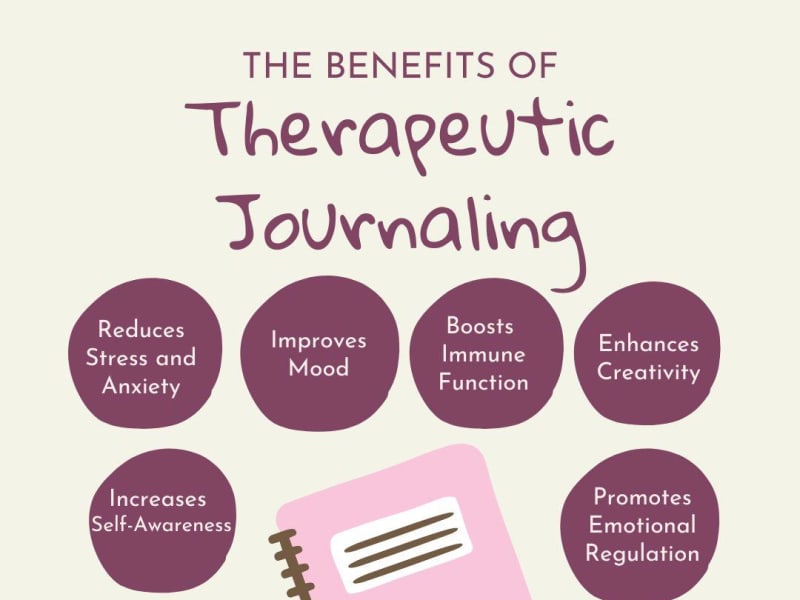
Journaling is more than a wellness trend — it's a scientifically validated tool for emotional processing, stress reduction, and psychological clarity. The evidence base, built over decades, reveals why putting pen to paper has such measurable effects on mental health
April 14, 2026

Learn when and how to take a mental health day to recharge, prevent burnout, and prioritize your overall well-being. Practical tips for Indian readers.
April 1, 2026

Feeling stuck and unmotivated due to mental health challenges? Discover practical, actionable tips to break through overwhelm and get things done, even on your toughest days.
April 1, 2026