

Emergency & Help
24/7 Emergency & General Advisory
🚨 24/7 Medical Emergency
Non-Emergency Advisory
10:00 AM – 6:00 PM, Mon–Sat
For appointments & general queries.
24/7 Emergency & General Advisory
🚨 24/7 Medical Emergency
Non-Emergency Advisory
10:00 AM – 6:00 PM, Mon–Sat
For appointments & general queries.
Explore the meaning behind the 'old soul' personality, its common traits like deep empathy and intuition, and how to embrace this unique way of experiencing the world.
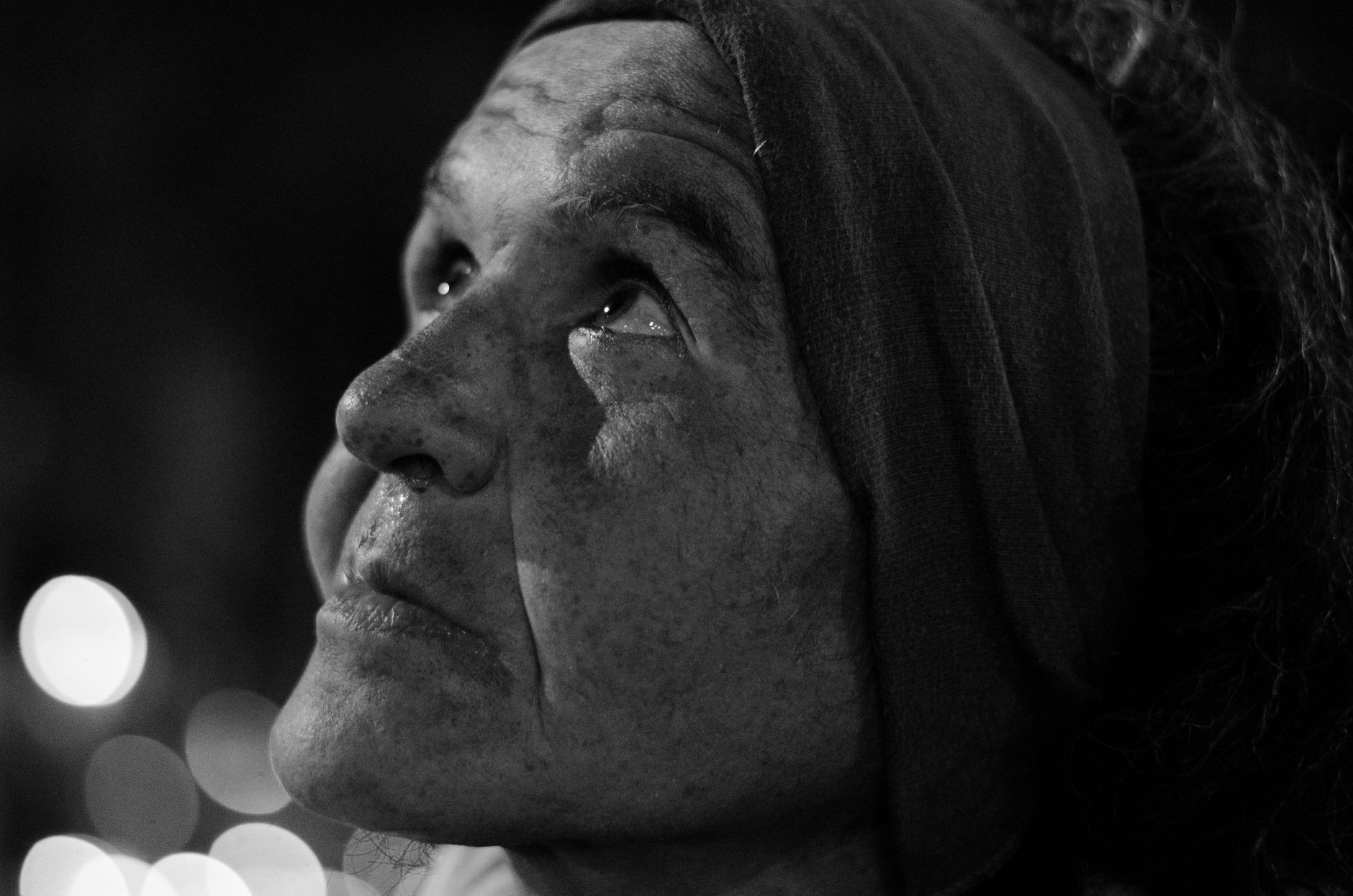
Have you ever been told you're an 'old soul'? Perhaps as a child, you felt more comfortable with adults than your peers, or maybe you find yourself drawn to deeper conversations and meaningful connections rather than fleeting trends. This intriguing description, 'old soul,' often surfaces in conversations, but what does it truly signify? It's a term that goes beyond mere age, pointing towards a distinct personality type characterised by a unique blend of wisdom, empathy, and a profound sense of self.
The concept of an 'old soul' can be interpreted in various ways, from spiritual beliefs about reincarnation to a more grounded psychological understanding of personality traits. While some may believe it refers to a soul that has lived many lives, for many, it's a way to describe individuals who possess a maturity and depth that seems beyond their years. These individuals often exhibit a quiet wisdom, a strong sense of intuition, and a preference for introspection and meaningful experiences over superficial ones. They might seem older than their chronological age, not necessarily in their physical appearance, but in their perspective, their values, and their interactions with the world.
While there's no single, rigid definition, several common characteristics often associated with an 'old soul' personality emerge:
It's important to recognise that the traits associated with being an 'old soul' often overlap with those of highly sensitive people (HSPs). Around 20 percent of the population falls into this category, characterised by a deeper processing of sensory, social, and emotional information. For some, particularly children who have faced adversity, trauma, or had to assume adult responsibilities early in life, these traits might be amplified. Growing up in challenging circumstances can lead to accelerated emotional maturity and a need to develop coping mechanisms that foster independence and introspection, further shaping the 'old soul' disposition.
Consider a scenario: Maya, at 10 years old, preferred spending her afternoons reading historical novels and discussing philosophy with her grandfather rather than playing tag with her classmates. While her peers chased each other on the playground, Maya felt a quiet contentment in her grandfather's study, absorbing stories and insights that seemed to resonate with a part of her that felt much older. She often felt a little out of sync with her classmates, finding their games and conversations less engaging than the deeper connections she found with adults or in the pages of a book.
If you identify with many of these traits, understanding them can be empowering. It's not about being 'weird' or 'different,' but about embracing your unique way of experiencing the world. Here are some tips for navigating life with an old soul personality:
While being an 'old soul' is a personality type and not a medical condition, the heightened sensitivity and introspection associated with it can sometimes lead to challenges. If you experience persistent feelings of anxiety, depression, social isolation, or overwhelm, it's important to seek professional help. A therapist or counselor can provide support, coping strategies, and a safe space to explore your feelings and experiences. They can help you navigate the complexities of your sensitivity and ensure your emotional well-being is a priority.
No, being an 'old soul' is not a mental health condition. It is a personality type or disposition characterised by traits like maturity, empathy, and introspection that seem beyond one's chronological age. However, individuals with these traits might sometimes experience mental health challenges like anxiety or depression due to their heightened sensitivity, and in such cases, seeking professional help is recommended.
Yes, absolutely. Many individuals who identify as old souls recall feeling this way from a very young age. They might have exhibited a preference for quieter activities, deeper conversations, and a sense of maturity that set them apart from their peers.
If you find yourself drawn to meaningful connections, value experiences over possessions, possess strong intuition, feel deeply empathetic, and often feel a sense of wisdom or maturity beyond your years, you might be an old soul. Reflecting on your childhood experiences and your current preferences can also provide clues.
While many old souls lean towards introversion due to their need for reflection and sensitivity to external stimuli, it's not a strict rule. Some old souls can be extroverted but still possess the core characteristics of depth, empathy, and a preference for meaningful interactions over superficial ones. Their social energy might be directed towards fewer, more profound connections.
Most people do not notice early warning signs right away. That is common. A simple symptom diary, basic routine checks, and timely follow-up visits can prevent small problems from becoming serious.
If you are already on treatment, stay consistent with medicines and lifestyle advice. If your symptoms change, do not guess. Check with a qualified doctor and update your plan early.
Write down symptoms, triggers, and timing for a few days.
Carry old prescriptions and test reports to your consultation.
Ask clearly about side effects, red-flag signs, and follow-up dates.
Seek urgent care for severe pain, breathing trouble, bleeding, fainting, or sudden worsening.
Visit Hospital
Near You
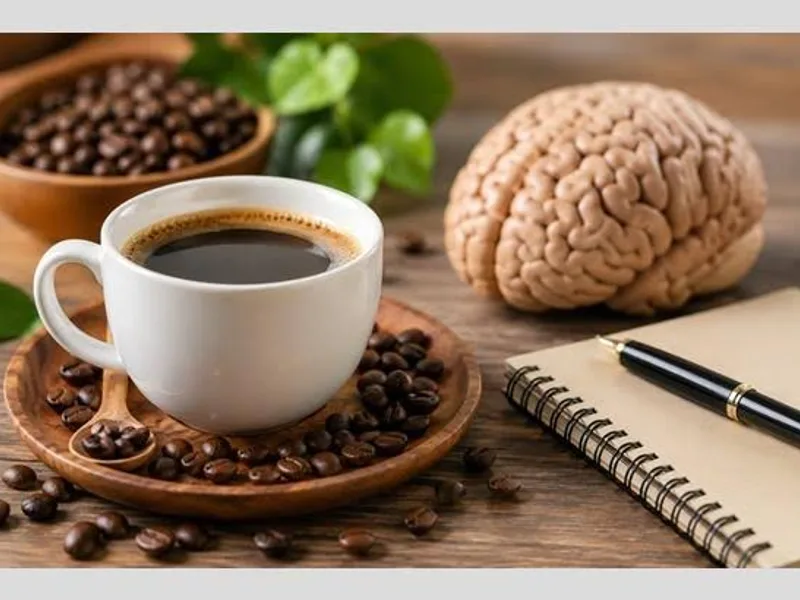
Could your daily coffee habit be protecting your brain? A massive 2026 study following more than 130,000 people for up to 43 years found that people who drank the most caffeinated coffee had an 18% lower risk of dementia. This piece breaks down what the study actually found, why decaf didn't show th
July 23, 2026
Seeking a migraine specialist in Uluberia? Discover where to find expert diagnosis and treatment for severe headaches. Get relief now.
May 20, 2026
Seeking a male fertility doctor in Jalpaiguri? Discover expert insights on male infertility, treatments, and how to find the right specialist.
May 20, 2026