

Emergency & Help
24/7 Emergency & General Advisory
🚨 24/7 Medical Emergency
Non-Emergency Advisory
10:00 AM – 6:00 PM, Mon–Sat
For appointments & general queries.
24/7 Emergency & General Advisory
🚨 24/7 Medical Emergency
Non-Emergency Advisory
10:00 AM – 6:00 PM, Mon–Sat
For appointments & general queries.
Discover how simple drawing and coloring can be powerful tools to reduce anxiety, improve mood, and promote mindfulness. No artistic skill required!
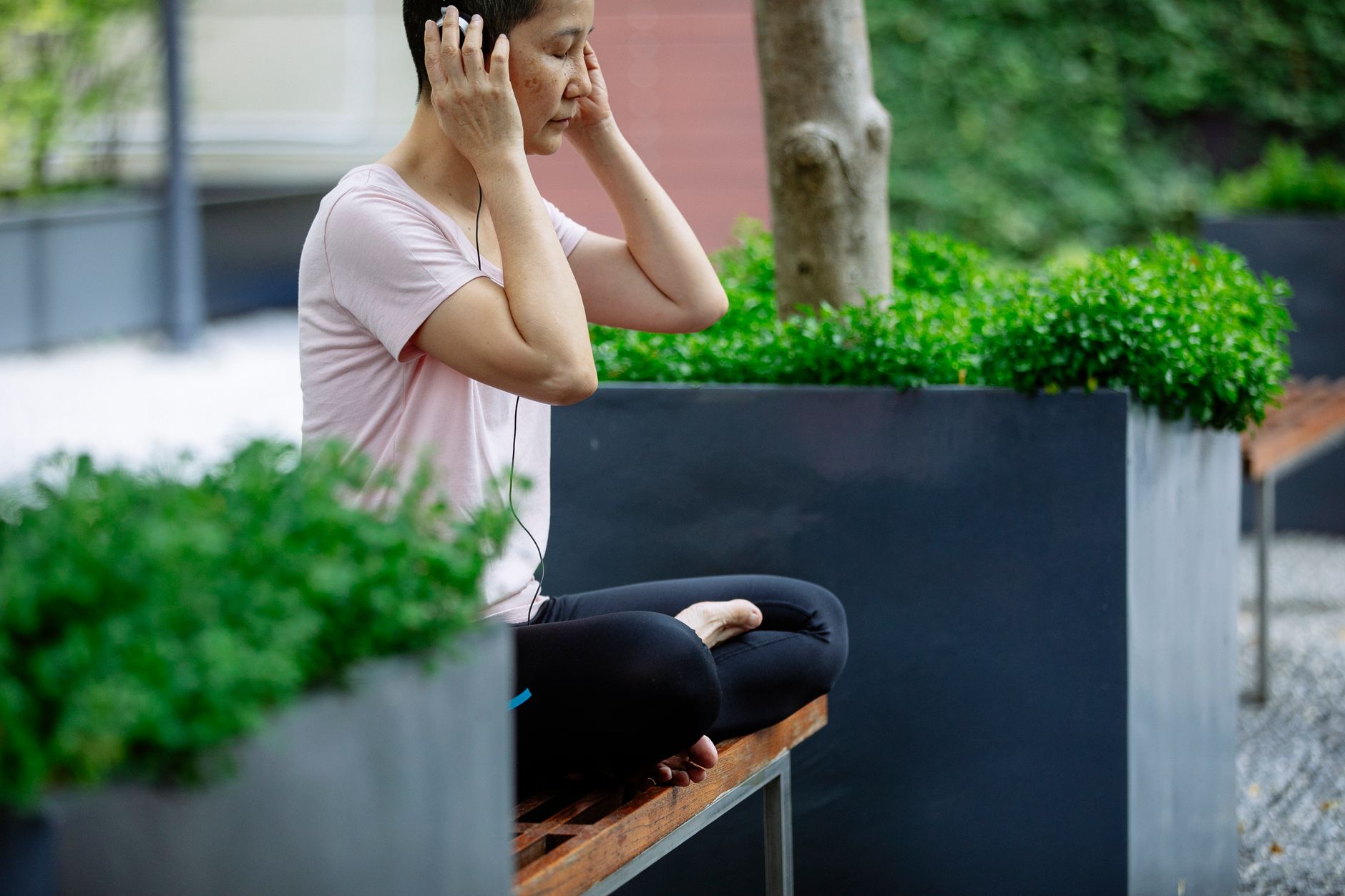
Living with anxiety can feel like navigating a constant storm. A persistent undercurrent of worry can affect everything from your sleep and appetite to your daily interactions. For many in India, finding effective and accessible ways to manage these feelings is a significant challenge. While therapy and medication play vital roles, incorporating simple, creative practices into your routine can offer profound relief. One such powerful, yet often overlooked, tool is drawing. You don't need to be Picasso to benefit; even simple doodling can be a gateway to a calmer mind.
In a world that often demands constant productivity and emotional stoicism, acknowledging and addressing anxiety is a sign of strength. Art therapy, which has been recognized since the mid-1900s, uses the creative process to help individuals explore their emotions and symptoms. Studies suggest that engaging in drawing can be more beneficial for negative mood symptoms than simply looking at art. A small study in 2016 found that adults who spent time sculpting clay, drawing with markers, or making collages reported feeling more relaxed and had lower levels of the stress hormone cortisol afterward. Furthermore, research from 2018 indicates that mindful coloring can help alleviate test anxiety, a common concern for students across India.
So, how can putting pencil to paper actually help calm a racing mind? The answer lies in a combination of mindfulness, distraction, and self-expression.
Anxiety often pulls us into the future with 'what-ifs' or anchors us in the past with regrets. Mindfulness is about anchoring yourself in the present moment. While this might sound counterintuitive when you want to escape anxious thoughts, learning to sit with them, observe them without judgment, and then let them go is a powerful skill. Drawing encourages this by focusing your attention on the physical act of creating. You become aware of the sensations in your hands, the texture of the paper, and the colors you choose. This engagement with the present moment helps to quiet the mental chatter that fuels anxiety.
Sometimes, the best way to deal with overwhelming thoughts is to temporarily shift your focus. When you're engrossed in drawing, your mind is occupied with the task at hand. You decide what to draw, what colours to use, and how to bring your vision to life. This active engagement diverts your mental energy away from anxious loops, providing a much-needed break. It's a healthy form of distraction that allows your nervous system to calm down.
Many people with anxiety struggle to put their feelings into words. The abstract nature of drawing allows you to bypass verbal limitations and express complex emotions through colors, shapes, and symbols. As Kelly Lynch, a licensed mental health counselor and registered art therapist, explains, "The creative process promotes new perspectives that lie beyond the structure of language. Art uses metaphor, symbolism, and dynamic thoughts to represent the human experience in a way language cannot." This can be particularly helpful for those who feel disconnected from their emotions.
The beauty of using drawing as a coping tool is its simplicity and accessibility. You don't need expensive supplies or a dedicated studio. Here’s how you can start:
Locate a peaceful spot where you can be undisturbed for about 20 to 30 minutes. This could be a corner of your room, a quiet balcony, or even a park bench. Minimize distractions by turning off the TV and silencing your phone. Gentle, instrumental music can enhance the calming atmosphere if you find it helpful.
All you really need is paper and a drawing tool.:
You have several options, depending on your mood and what you have available:
Remember, the goal is not to create a masterpiece. It's about the process and the relief it brings. Let go of any self-criticism. If your lines are shaky or your colors aren't quite right, it doesn't matter. The act of creation itself is therapeutic. Focus on the sensory experience – the feel of the pencil, the smell of the crayons, the visual patterns emerging on the paper.
Imagine you have a stressful meeting coming up at work. You've been replaying potential negative outcomes in your head all morning, and your chest feels tight. Instead of letting the anxiety consume you, you take a 15-minute break. You grab a notebook and a pen and start doodling swirling patterns and then filling them in with bold colors. As you draw, you feel your shoulders relax, and the knot in your stomach loosens. By the time you return to your desk, you feel more grounded and ready to face the meeting.
While drawing is a wonderful supplementary tool for managing anxiety, it's not a replacement for professional medical advice or treatment. If your anxiety is severe, persistent, or significantly interfering with your daily life, it's essential to consult a healthcare professional. They can provide a proper diagnosis and discuss treatment options, which may include therapy (like Cognitive Behavioral Therapy or Art Therapy) or medication.
Incorporating drawing into your self-care routine can be a simple yet profound way to manage anxiety. It offers a non-verbal outlet for emotions, a mindful break from worries, and a gentle way to reconnect with yourself. So, pick up that pencil, embrace the process, and discover the calming power of your own creativity. Your mind will thank you for it.
Visit Hospital
Near You

Could your daily coffee habit be protecting your brain? A massive 2026 study following more than 130,000 people for up to 43 years found that people who drank the most caffeinated coffee had an 18% lower risk of dementia. This piece breaks down what the study actually found, why decaf didn't show th
July 23, 2026
Seeking a migraine specialist in Uluberia? Discover where to find expert diagnosis and treatment for severe headaches. Get relief now.
May 20, 2026
Seeking a male fertility doctor in Jalpaiguri? Discover expert insights on male infertility, treatments, and how to find the right specialist.
May 20, 2026