

Emergency & Help
24/7 Emergency & General Advisory
🚨 24/7 Medical Emergency
Non-Emergency Advisory
10:00 AM – 6:00 PM, Mon–Sat
For appointments & general queries.
24/7 Emergency & General Advisory
🚨 24/7 Medical Emergency
Non-Emergency Advisory
10:00 AM – 6:00 PM, Mon–Sat
For appointments & general queries.
Stay updated with our latest healthcare news and your appointments.
Discover how play therapy helps children (and adults) express emotions, process trauma, and build coping skills through the natural language of play. Learn about its benefits and when to consider it.
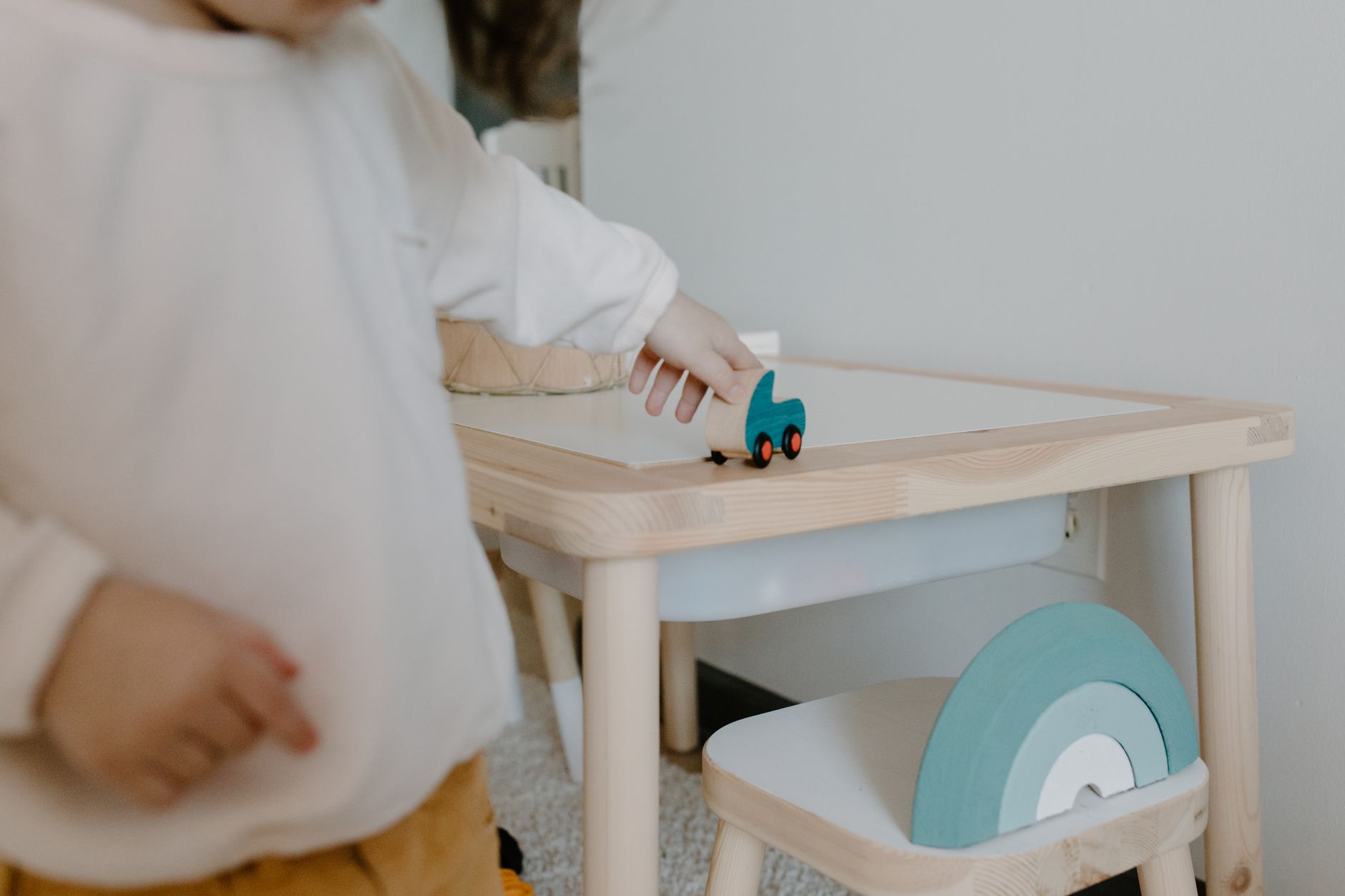
Imagine a child struggling silently with big emotions – perhaps sadness after a family move, anxiety about starting school, or anger following a conflict. They might not have the words to explain what they're feeling, leading to behavioral issues or withdrawal. This is where play therapy steps in, offering a unique and powerful approach to healing and growth. It's more than just playtime; it's a guided journey where children can safely explore their inner world, process difficult experiences, and develop essential life skills.
Play therapy is a form of psychotherapy that leverages the natural language of children – play – to help them understand their feelings and overcome challenges. While it's most commonly associated with children aged 3 to 12, its benefits can extend to adults as well. Trained therapists create a safe and supportive environment where individuals can express themselves through toys, games, art, and other creative activities. This process allows them to work through issues like trauma, anxiety, grief, behavioral problems, and developmental delays.
At its core, play therapy recognizes that play is a fundamental way for children to communicate, learn, and make sense of their world. Unlike adults who can articulate their thoughts and feelings verbally, children often express their inner experiences through their actions and imaginative play. A play therapist is skilled in observing these interactions and understanding the underlying emotions and messages being conveyed. They don't just watch; they actively engage, guide, and facilitate the child's exploration.
Think of it this way: a child might repeatedly act out a scenario with dolls that mirrors a difficult family situation. Without intervention, this behavior might seem just like play. However, a play therapist can use this as an opportunity to help the child process the emotions associated with that situation, understand different perspectives, and develop healthier ways of coping. The toys become symbols, and the therapist helps unlock their meaning.
The versatility of play therapy makes it beneficial for a wide range of individuals and situations:
A real-life scenario might involve a young boy named Rohan who recently witnessed his parents' heated argument. Afterward, he starts having trouble sleeping and becomes unusually aggressive on the playground. His parents, concerned, seek play therapy. In sessions, Rohan might use action figures to repeatedly stage fights and then have one figure run away. The therapist can gently guide him to explore the characters' feelings, helping Rohan express his fear and confusion about the conflict he overheard.
The process of play therapy is tailored to the individual's needs, but generally involves several key components:
The therapy room itself is designed to be a safe, welcoming, and stimulating space. It's equipped with a variety of materials that encourage different forms of expression:
The foundation of play therapy is a strong, trusting relationship between the child and the therapist. The therapist is empathetic, non-judgmental, and provides unconditional positive regard. They allow the child to lead the play, respecting their pace and choices. This safety allows the child to become less guarded over time.
Therapists use various approaches, often integrating them based on the client's needs. Some common techniques include:
Sessions typically last between 30 to 60 minutes and are usually held weekly. The number of sessions required varies greatly depending on the complexity of the issues, the individual's response to therapy, and their age. Initially, a therapist might observe the child playing, conduct interviews with parents, or gather information from teachers to get a comprehensive understanding of the situation.
The positive outcomes of play therapy are numerous and can have a lasting impact:
Play therapy doesn't replace medical treatments for diagnosed conditions like ADHD or serious illnesses. However, it can be a powerful complementary therapy, working alongside medication or other interventions to support overall well-being.
If you notice significant changes in your child's behavior, mood, or social interactions that are concerning and persistent, it might be time to explore play therapy. Look for signs such as:
Consulting with your pediatrician or a mental health professional is the best first step to determine if play therapy is the right option for your child.
Yes, absolutely. While it's most known for children, adapted play therapy techniques can help adults process trauma, grief, and unresolved emotional issues that may be difficult to access through talk therapy alone. It allows for a more direct connection to underlying emotions.
The key difference is the presence of a trained therapist. The therapist creates a safe environment, observes the play for underlying themes, and uses specific techniques to help the child explore emotions, gain insight, and develop coping skills. It’s guided exploration, not just unstructured play.
It's common for children to be hesitant at first, especially if they are unsure of the therapist or the process. The therapist's role is to build trust gradually. They will respect the child's pace, and the child will eventually feel safe enough to engage in their own way. Sometimes, even quiet observation is a form of participation.
Visit Hospital
Near You
Access expert medical advice in Kamarhati via online doctor consultations. Learn about benefits, how to choose a platform, and what to expect.
May 20, 2026
Expert advice for Joynagar residents on achieving stable blood sugar levels. Learn diet, exercise, and lifestyle tips for better diabetes management.
May 19, 2026
Explore breast cancer treatment options in Pujali, understanding diagnostics, therapies, and support for patients. Find expert care near you.
May 19, 2026